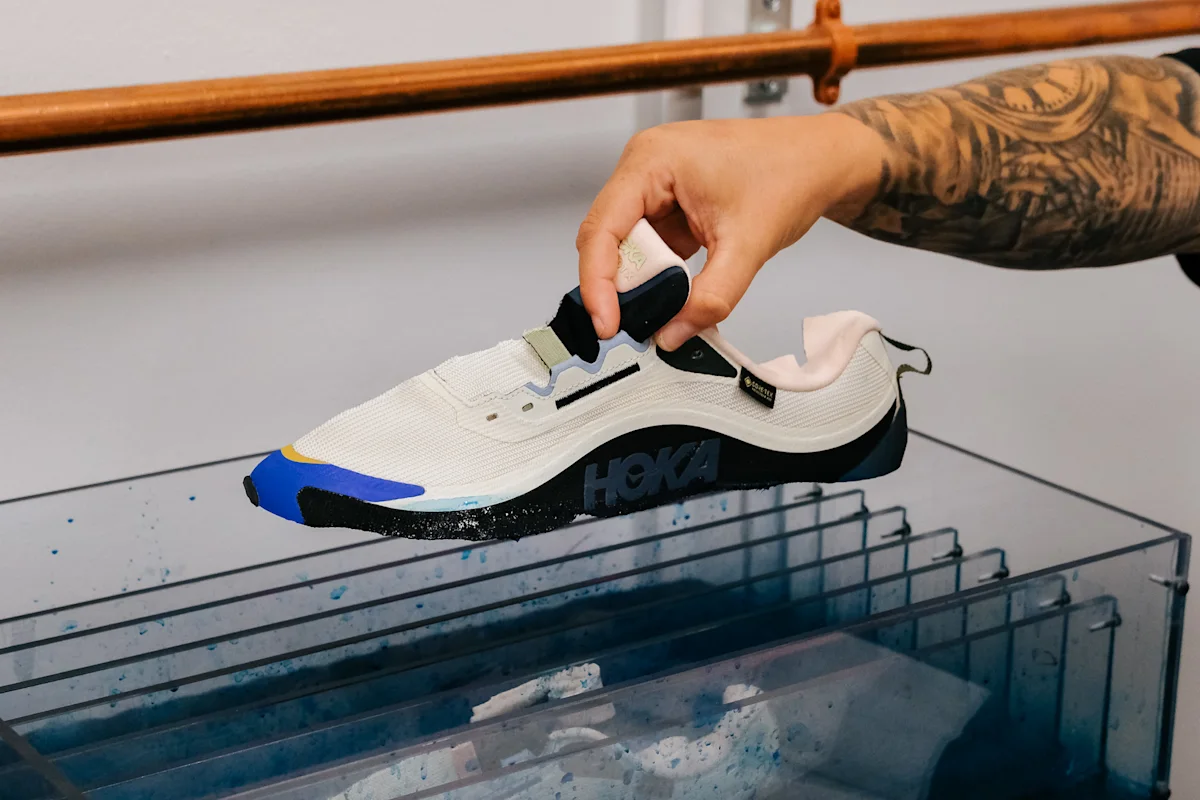
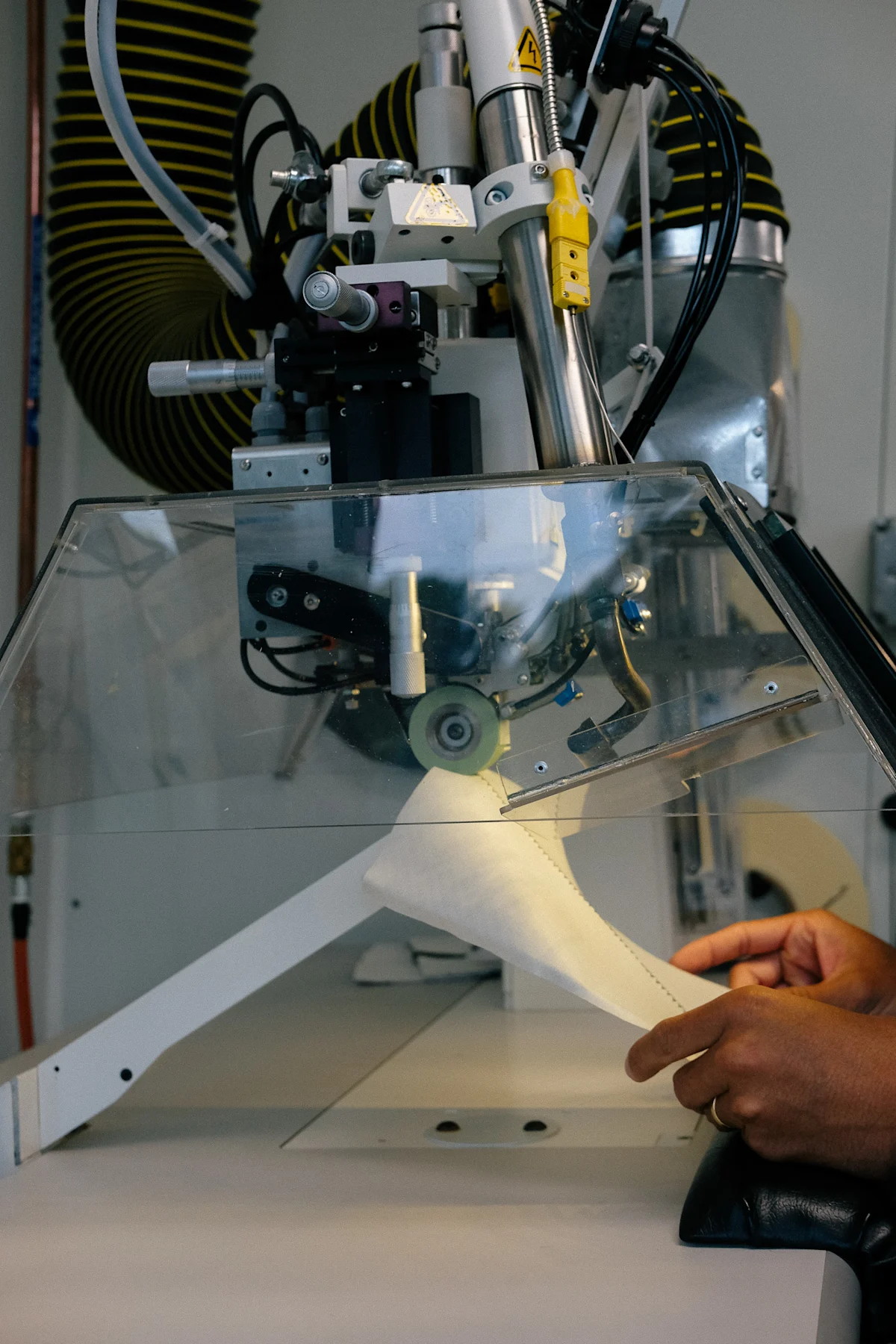
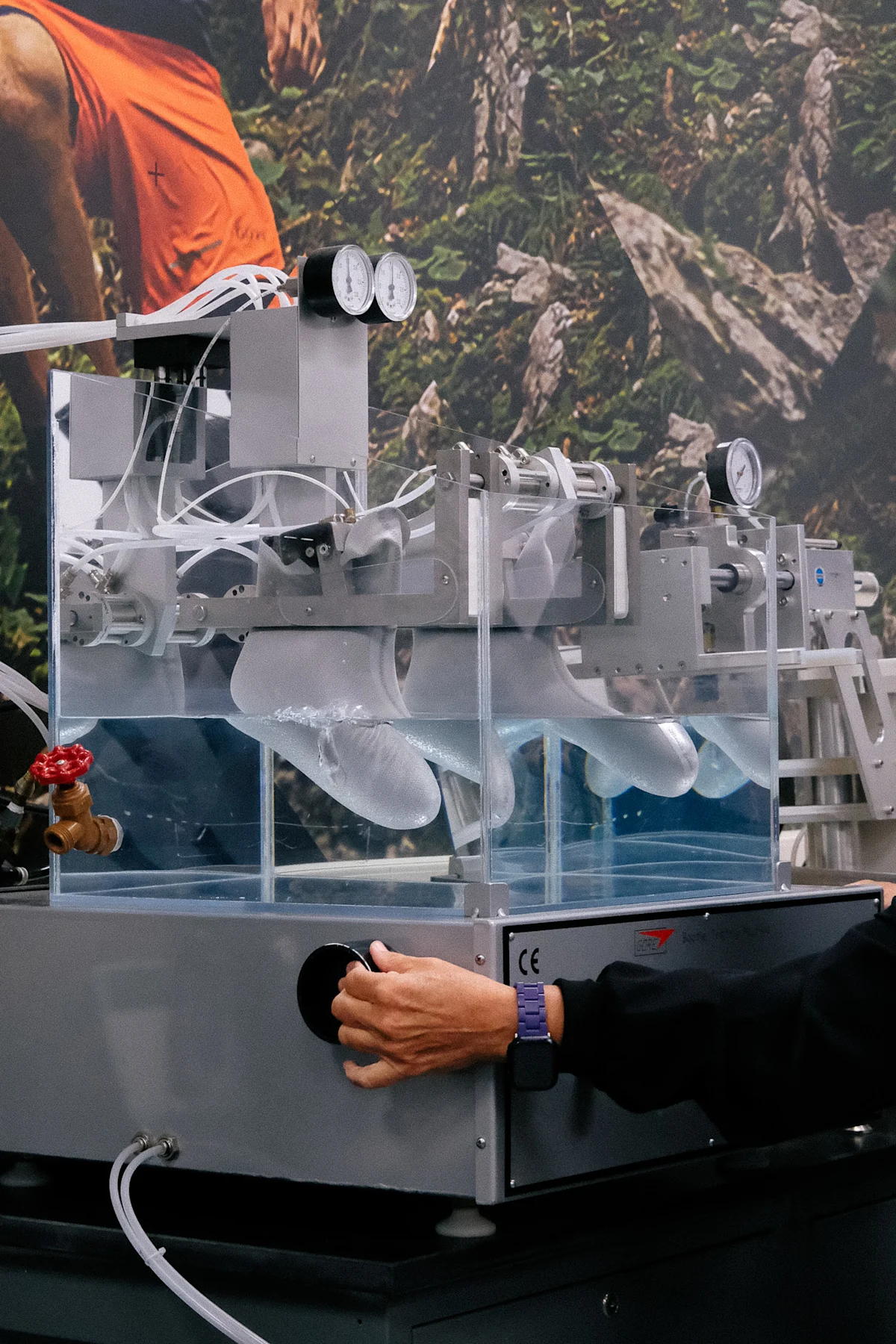
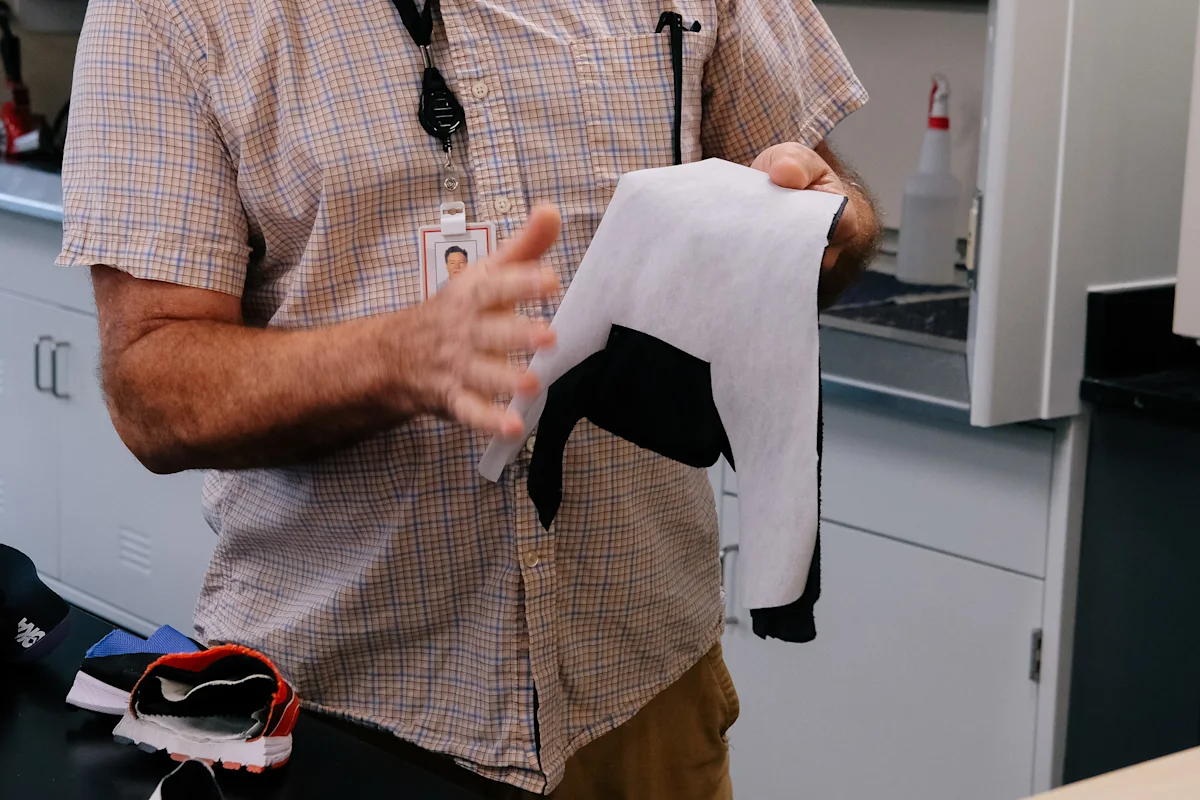
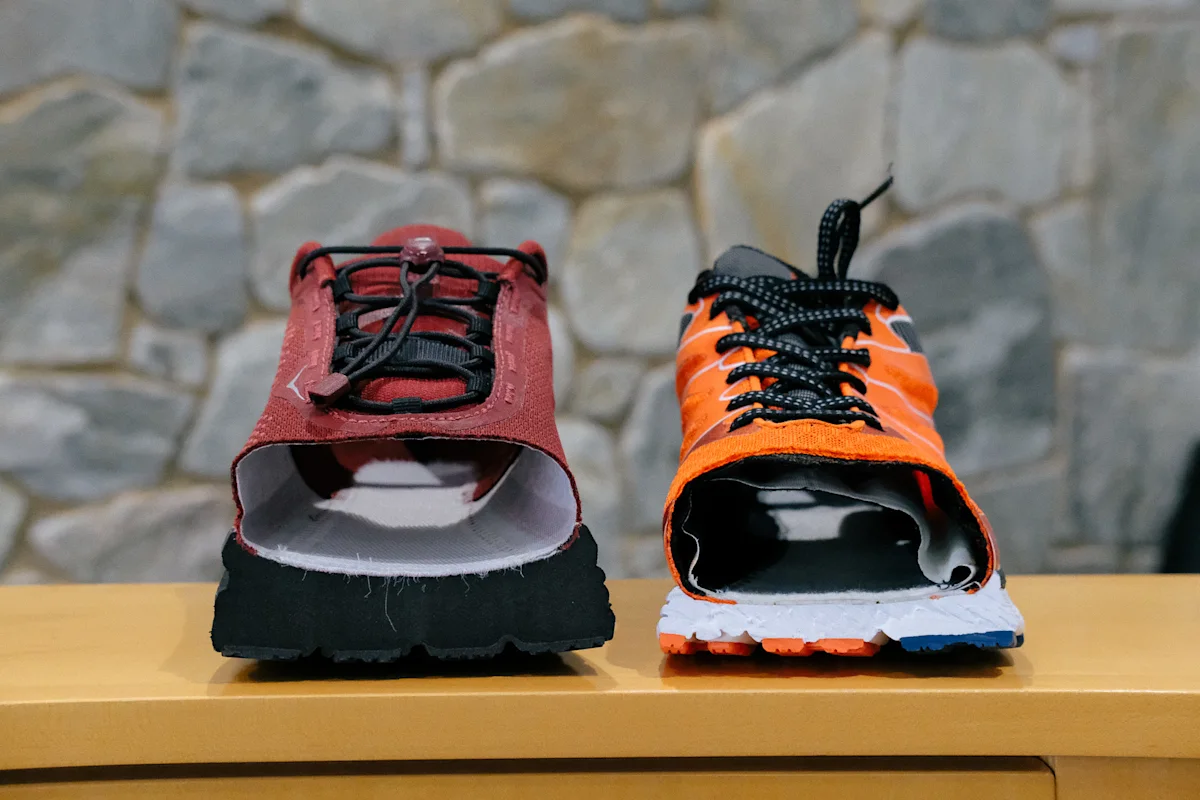
The benefits of Gore-Tex are well known. The company is the Kleenex of waterproofing, improving not just outerwear but footwear, too. It isn't the simplest thing to add a waterproof membrane to a running shoe that a team of designers has fine-tuned for performance with tight specs for weight and breathability, though. During a recent tour of Gore’s EM5 facility in Elkton, Maryland, where the company houses an advanced environmental chamber and biophysics lab, I learned that a close partnership between each footwear brand and Gore is key to making a good waterproof shoe.
On a previous visit, we explored the Gore-Tex Archive to see outerwear that changed the outdoor industry. This time, our invite was focused on the present and future, rather than the past, with Hoka playing host. The footwear brand has worked with Gore to develop trail and road running shoes with a closeness few other brands have achieved.
Hoka’s design team has even gone as far as to share its lasts with Gore engineers—a true indication of trust as lasts are wildly proprietary product DNA which footwear brands go to great lengths to protect. In Elkton, I saw how the Gore relationship works firsthand, leading to products like the new Clifton 11 GTX, Speedgoat 7 GTX, and Speedgoat 7 Hike GTX—plus countless others across the outdoor space.
Though I was already aware of Gore-Tex’s popularity in military apparel through licensed partners and contractors to the U.S. military, it was enriching to hear that their textile technologies also support the firefighting industry in handling high heat and moisture, and the relationship between the two. As an outdoor gear editor, I was even more surprised to learn that product Gore manufactures for medical and aviation industries make up significant parts of its business. Technical waterproof jackets and trail shoes might be how most of us experience the company’s goods, but they're just a small sampling of its impact across multiple industries.