Why So Many Ultralight Brands Are Making Freestanding Tents Now

Why So Many Ultralight Brands Are Making Freestanding Tents Now

Author Photographer
  • Danielle Vilaplana; Frauke Hameister; Courtesy Durston

After years preaching the pros of shelters set up with trekking poles, the ultralight gear world appears to be embracing tents that stand on their own

Published: 11-17-2026

Field Mag may receive a minor commission from purchases made via affiliate links.

Dan Durston wanted to make a freestanding tent for almost as long as he's been making shelters. But he began work on his X-Mid, a shelter supported by trekking poles that has become wildly popular among ultralight hikers, first. Durston knew the same design concepts he used would apply well to a freestanding shelter too—someday. Eventually, he worked them into the X-Dome, a family of one- and two-person freestanding tents made of silpoly and Dyneema. The X-Dome tents kept the offset floorplan and roomy interior that helped make the X-Mid famous, and Durston designed it to pitch fly-first for rainy days, a feature that was long overdue in double-wall shelters.

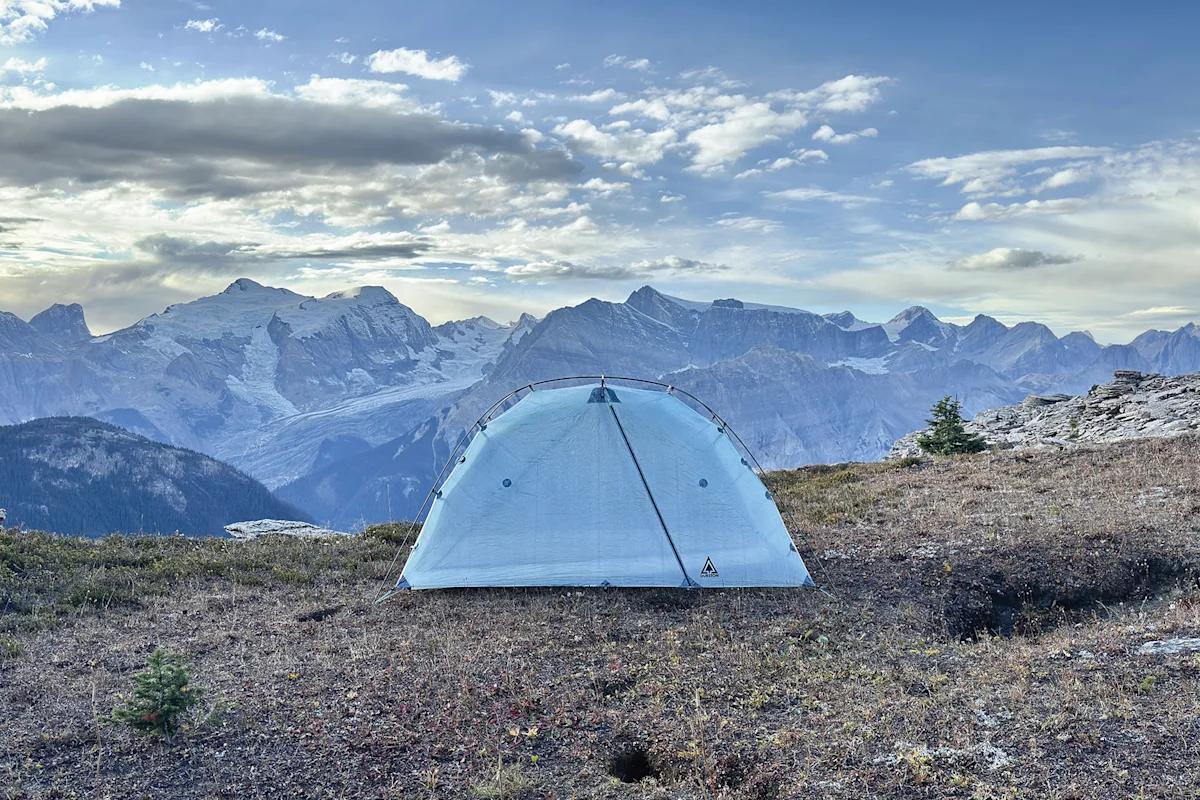
On 17 November 2026, Durston released a larger run of the X-Dome Pro 1+, a freestanding, one-person Dyneema tent that was first launched in July 2026 in a very small batch that won awards and sold out in minutes. Those who weren’t able to get one from the limited drop and the freestanding-curious will want to get their bots in order if they want to get the tent this time around.

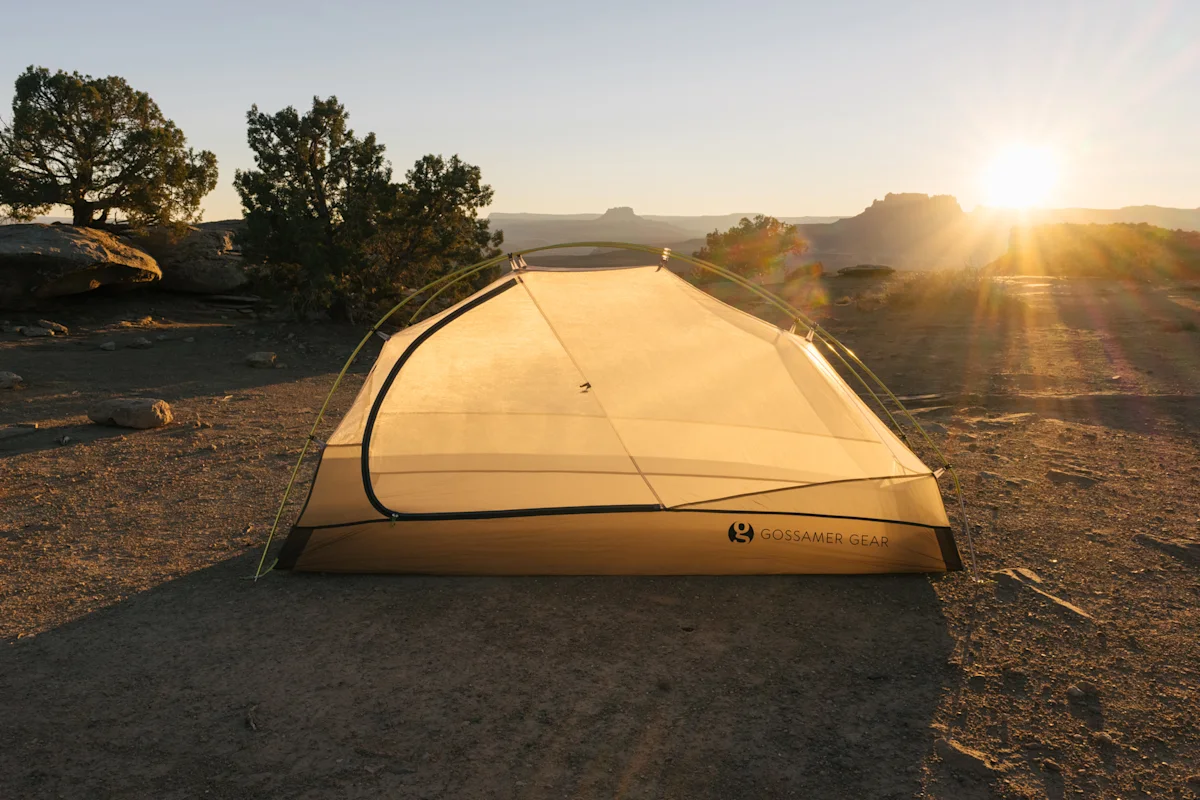
Durston isn't alone in the UL crowd with his recent focus on the freestanding market. For 25 years, ultralight cottage brands have largely eschewed them in favor of shelters supported by trekking poles and tent stakes. Yet since 2024, five brands have produced their own dome tents in rapid succession. This past June, Gossamer Gear released The Free, a one-person tent that beat the record for lightest freestanding shelter at 29.8 ounces. Hyperlite Mountain Gear and Zpacks both released 2P Dyneema tents. And before anyone else, TarpTent was dabbling in a variety of freestanding-adjacent systems and released the four-season ArcDome in September 2024.

For a corner of the industry that spent two decades preaching non-freestanding shelters and tarps, that's a lot of carbon poles popping up in a short time span. I reached out to the brands behind these tents to ask what changed, and why so many of them landed on the same idea at the same time.

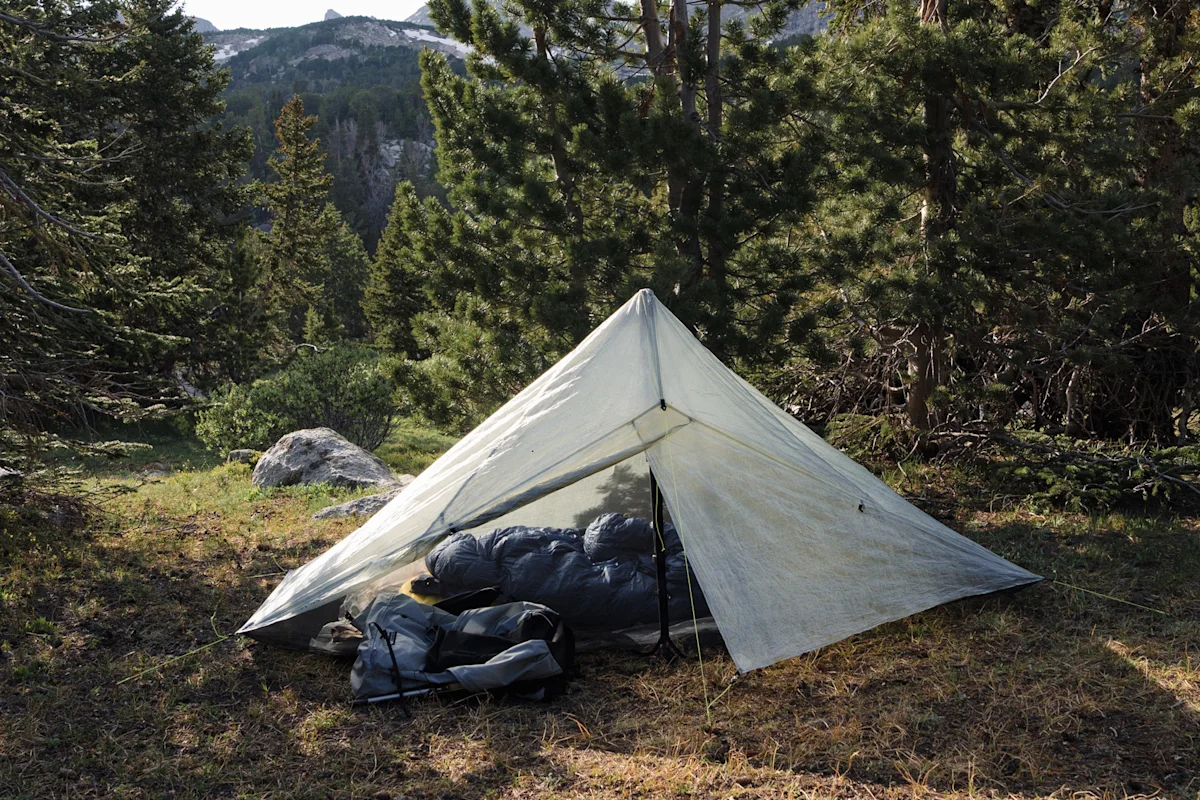
Durston-Gear-profile-dan-durston-with-tent

Dan Durston with the X-Dome | Courtesy Durston

Why Cottage Brands Stuck to Trekking Pole Tents

The non-freestanding shelter is about as pure an expression of ultralight thinking as you can get. Trekking poles serve as the support, and while they do technically have weight, that weight isn’t counted because it’s not carried on your back. But it's no secret that these tarps and tents can be difficult to pitch, and not all ultralight hikers use two trekking poles (bikepackers don’t at all). If you're carrying extra carbon poles just to set up your shelter, the weight math tends to fall apart.

Freestanding tents are also more difficult to design. Durston explained it this way: "Tarp and trekking pole tents are all flat surfaces based around very largely fixed structures like stakes and trekking poles. Panels on a freestanding tent are curved, and the flexible shape from the tent poles is not nearly as easy to measure and design as with fixed supports," he told Field Mag. "There is a lot to learn about how tent poles perform in the wind, which is why it took us years of often pretty poor prototypes before we came up with the X-Dome."

Until recently, those design challenges combined with the fact that the freestanding tent category was firmly owned by Big Agnes, NEMO, MSR, and other large brands was enough to dissuade smaller brands from trying. But rapid improvements in materials and designs flipped the script on the larger brands—and the status quo.

danielle-vilaplana-zpacks-hexamid

The Zpacks Haxamid pitches with a trekking pole and stakes | Photo by Danielle Vilaplana

A New Gen of Ultralight

No single cohesive narrative explains why Durston, Tarptent, Gossamer Gear, and Hyperlite all made their first freestanding tents in the past couple of years. Financial opportunity and a growing number of customers lightening their packs is the obvious answer, but it doesn't account for timing. A more convincing explanation is that the people buying ultralight gear have changed.

As ultralight equipment has been brought into the mainstream and more people are getting into camping and backpacking, the audience for once-niche gear has grown. "We saw more hikers getting curious about ultralight but hesitant about shelters that need trekking poles and a perfect stake job,” Gossamer Gear explained.

"Dome tents have been around a long time and are recognizable and pleasing to a large swath of the market," Henry Shires, the founder of TarpTent, said. "They are inherently heavier than a trekking pole tent but solve the staking problem, both perceived and real, that worries people and turns them off from exploring lighter options."

Durston noticed it within his own customer base. "I would see people using our X-Mid tents that loved the ideas and protections, like non-sag fabric and fly-first pitch, but I could often tell it wasn't the ideal tent for them," he said. "They didn't use hiking poles, or they were struggling with a non-freestanding tent."

gossamer-gear-free-1P-setup-lifestyle

Bikepackers don't travel with trekking poles | Courtesy Gossamer Gear

"Freestanding and trekking-pole tents aren't competing ideas, just different tools for different trips."

But for a particular set of backpackers, the available freestanding shelters weren't compelling. "If existing freestanding tents were already a great solution, then we probably wouldn't have made one, but I felt like our customers needed a more functional freestanding tent."

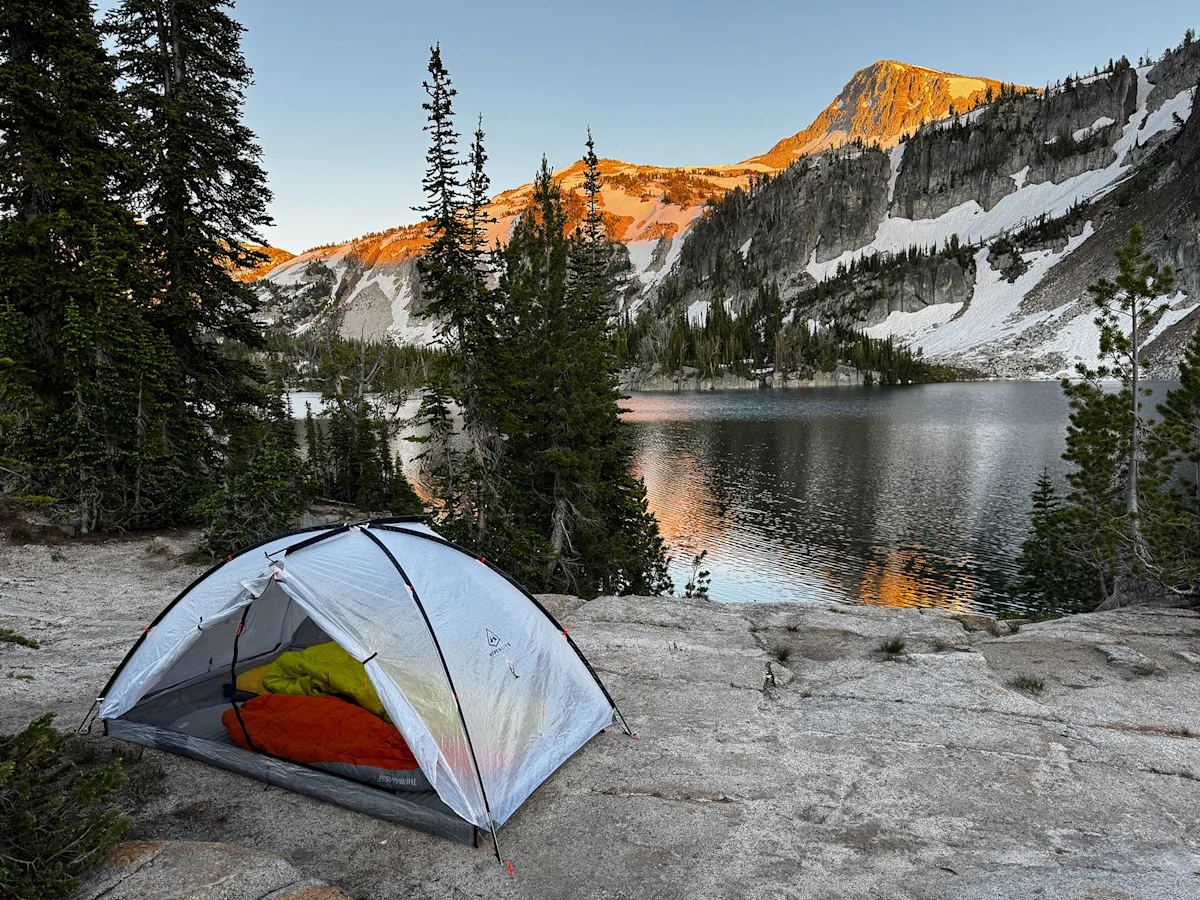
Hyperlite is one of the most accessible brands for new ultralighters, but the CrossPeak was driven more by internal interest than outside demand. "We were at a point where we had advanced our own tent design pretty far and felt confident that we could make a freestanding tent that fit within our brand,” Mark Sirek, content writer at Hyperlite, said. Though he also admitted that Hyperlite has evolved over the years: "I don't know that we're really a cottage company anymore."

Gossamer Gear was just as direct about the size of the opportunity. "The audience for light freestanding tents is probably way bigger than the trekking-pole crowd, since lots of people want a lighter pack but still like a tent that stands on its own," the team said. "For us, The Free is a chance to bring [the idea of] 'take less, do more' to a lot more people."

Shires framed the ArcDome the same way. "Everything is a tradeoff, and all tent designs have pluses and minuses," he said. "There is no perfect tent for all uses, and our expansion into the dome tent world is a way to open our brand to people for whom tents are freestanding-or-bust."

A dome is the most obvious door into the much larger mainstream backpacking market. Being direct-to-consumer lets these brands enter it with premium materials at prices that companies operating with traditional wholesale retail models can't easily match, too. Add in a quicker production timeline, and you get shelters that are either cheaper, more innovative, or a combination of the two.

HMG-Crosspeak-2-Tent-Review-FM1

Hyperlite Mountain Gear Crosspeak | Photo by Graham Hiemstra

New Materials, New Tent Designs

Newer materials are also part of the answer, though the brands I spoke with don’t fully agree on their importance. "Fabrics like our ClearSkies 15D recycled nylon, plus better poles, let us go fully freestanding while keeping the weight way down at an approachable price point," Gossamer Gear told me. "A few years ago the math just didn't work."

Durston thinks design improvements are as key as the fabrics. "I felt design advances with trekking pole tents opened the door to us making a more functional freestanding tent, like non-sag fabrics, fly-first pitch, and more functional geometry." While the larger brands are still clinging to nylon, Durston has been a big advocate for stretch-resistant silpoly.

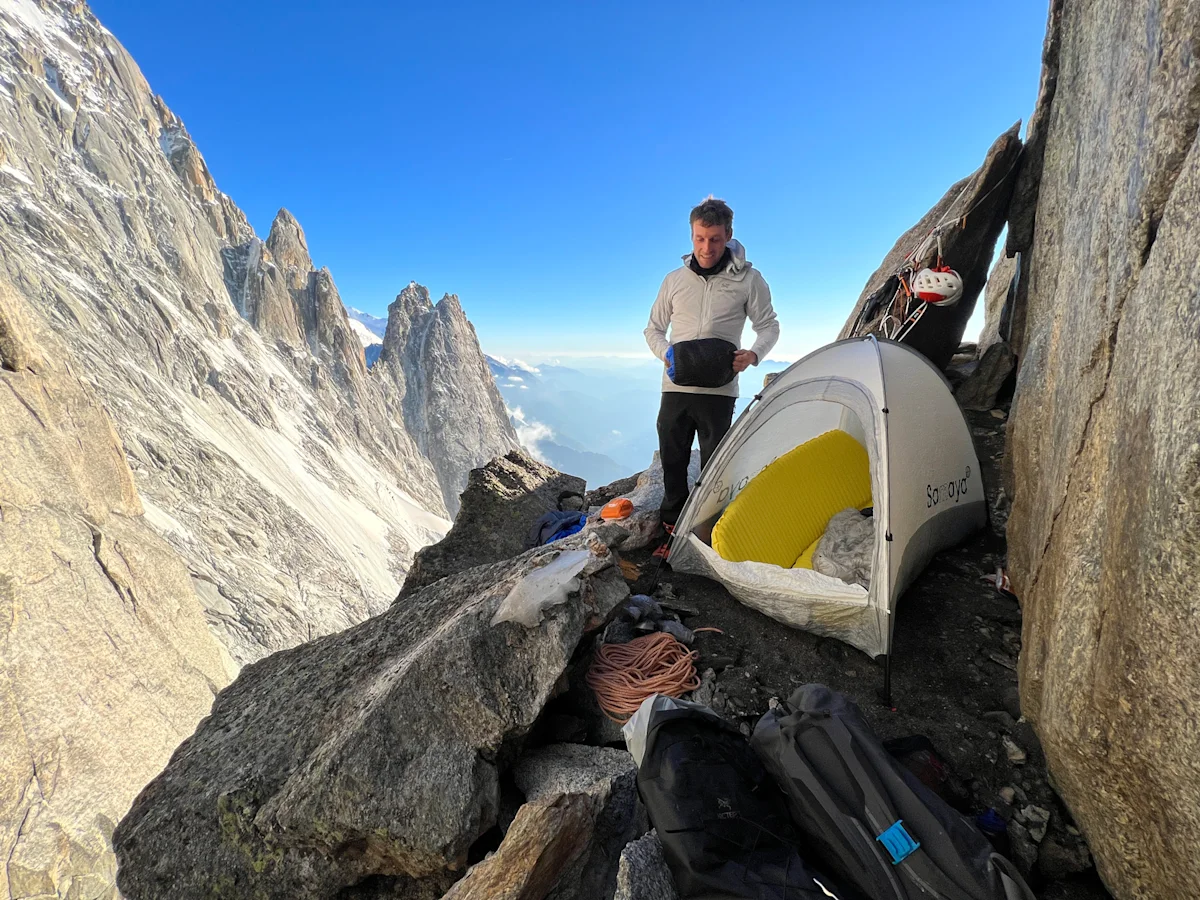
If any brand has shown what new fabrics can do for a dome, it's Samaya. Founder Ghislain Piper designs tents in France for a faster, lighter generation of alpinists but is starting to get some attention in the thru-hiking and bikepacking worlds. Piper designed the waterproof yet highly breathable fabric Nanovent to make tents with a single-walled construction that are also condensation-free, a rare combo. Paired with Dyneema floors and carbon poles, it allows Pipers to build single-wall freestanding domes that are extremely light yet strong enough for brutal alpine conditions.

samaya-Benjamin-Ribert

Courtesy Samaya

For his part, Shires is skeptical about some of these cutting-edge materials. "There is what I consider a disturbing trend in the market to get the weight down by thinning the fabric and poles. That inevitably leads to more fragility and lower lifespan," he said. It's part of why the ArcDome went burlier and four-season capable with 30D high-tenacity polyester.

But employing the thinnest and lightest materials has always been a part of ultralight. ZPacks, for example, has been experimenting with the thinnest Dyneema fabrics on their shelters from the start (currently they use one that's .51-denier), and the brand's are some of the most popular tents on the market. Extreme care is an inherent part of ultralight gear, and a couple of poles don’t negate that.

It's well known that Durston and Shires have a well-known heated rivalry, but they do share the belief that the larger brands weren’t going to be the ones to truly push freestanding tents further. "For big box companies it's all a spreadsheet game, and selling enough units more than pays for inevitable repair and replacement of tents that break,” Shires said.

Durston thinks Big Agnes, Nemo, and MSR are boxed in by what their customers expect. "If one of the big three suddenly switched one of their key models to a fly-first pitch, it would potentially alienate existing customers," he says. "For that reason, I think it falls to the smaller cottage companies to try more unique things."

danielle-vilaplana-gossamer-gear-free-tent

Gossamer Gear Free | Photo by Danielle Vilaplana

What Do Freestanding Tents Mean for Ultralight?

There might not be one complete answer as to why so many cottage brands released freestanding tents in quick succession, but it’s not as simple as a cash grab, either. Ultralight has broadened into a practical pursuit that welcomes hikers who want a tent that stands on its own. The biggest cottage brands have grown large enough that they needed a bigger market than trekking pole users alone. And a decade of trekking pole tent innovation gave them a refreshed perspective on a category that hadn't changed much in years.

You could argue that most of the tents in this new freestanding ultralight class aren't ultralight, especially when compared to a tarp or a pyramid. Ultralight has always been a philosophy, defined by minimalist ideologies, pushing boundaries a bit, and developing real outdoor skills to compensate for gear that's more finicky. So can a hiker really call themselves ultralight if they’re too afraid to try something different and leave their tent poles behind?

"If the tent is light and easily fits within a 10-pound base weight, then I think it's ultralight regardless of whether it is theoretically the lightest solution," Durston says. "Pushing a gear kit further to minimalism is interesting, but if we say only minimalism is ultralight, then we are losing sight of why ultralight was created in the first place—to have lighter packs—and we alienate a lot of people that would benefit from lighter packs."

freestanding-ul-tents-durston-x-dome-pro-1-banff

Courtesy Durston

Trekking Pole Tents vs Freestanding

As with any debate, there is no one-size-fits-all answer. Fortunately for ultralight traditionalists, none of the brands think trekking pole tents are going anywhere. "Freestanding and trekking-pole tents aren't competing ideas, just different tools for different trips," Gossamer Gear said. Multiple tents may be a hard sell to consumers when a $400 tent is considered “cheap,” but the idea of a quiver is nothing new.

Durston does expect some movement, though. "I think we're seeing a bit of a swing the other way, where the improved availability of very light freestanding tents will cause a partial shift away from trekking pole tents, but I certainly don't think it'll take over the ultralight market," he said. "Once things settle, I think you'll see freestanding tents as a more accessible point of entry and the end game for non-trekking pole users and certain environments."

Gossamer Gear, Hyperlite, Durston, and even Zpacks to an extent are considered gateway ultralight brands, so all of this makes sense. Though hikers still need to keep their base weights under 10 pounds to fit the criteria, the freestanding boom is subtly shifting what the term means and who gets to call themselves an ultralight hiker.

"We've always loved how easy and versatile a true freestanding tent is," the Gossamer Gear team told me. "Tiny campsites, tent platforms, rocky ground: anywhere you want to pitch it, pick it up, and move it without a fuss."

Freestanding and otherwise, these are our top picks for the best UL tents on the market rn.