How Montbell Became Japan's Most Beloved Outdoor Brand

How Montbell Became Japan's Most Beloved Outdoor Brand

Author Photographer
  • Courtesy Montbell

Founded in 1975, the outdoor gear maker has a ubiquitous presence in Japan akin to REI, but in the U.S. it's still little known

Published: 11-19-2026

Field Mag may receive a minor commission from purchases made via affiliate links.

Few outdoor brands in Japan have wider recognition than Montbell. From hiking and cycling apparel to alpine shells and cookware, bear bells, and children’s fleeces worn on chilly Tokyo mornings, Montbell’s product range is extensive. Even among those with little interest in hiking or camping, having at least one piece of Montbell gear in the closet is incredibly common here in Japan.

That's because in Japan, Montbell’s significance extends well beyond outfitting outdoor recreation. The company has become part of the country's social infrastructure, outfitting rice farmers and forestry workers with rubber boots, protective pants, and other workwear; designing uniforms for national park rangers; and supporting families and communities in daily life and also in emergencies. Through initiatives like the Montbell Club, a membership program that helps fund individual and non-profit organizations active in nature conservation, and a large number of government partnerships, Montbell appears as often in rural offices as it does on the mountain trails in places like Japan’s Northern Alps.

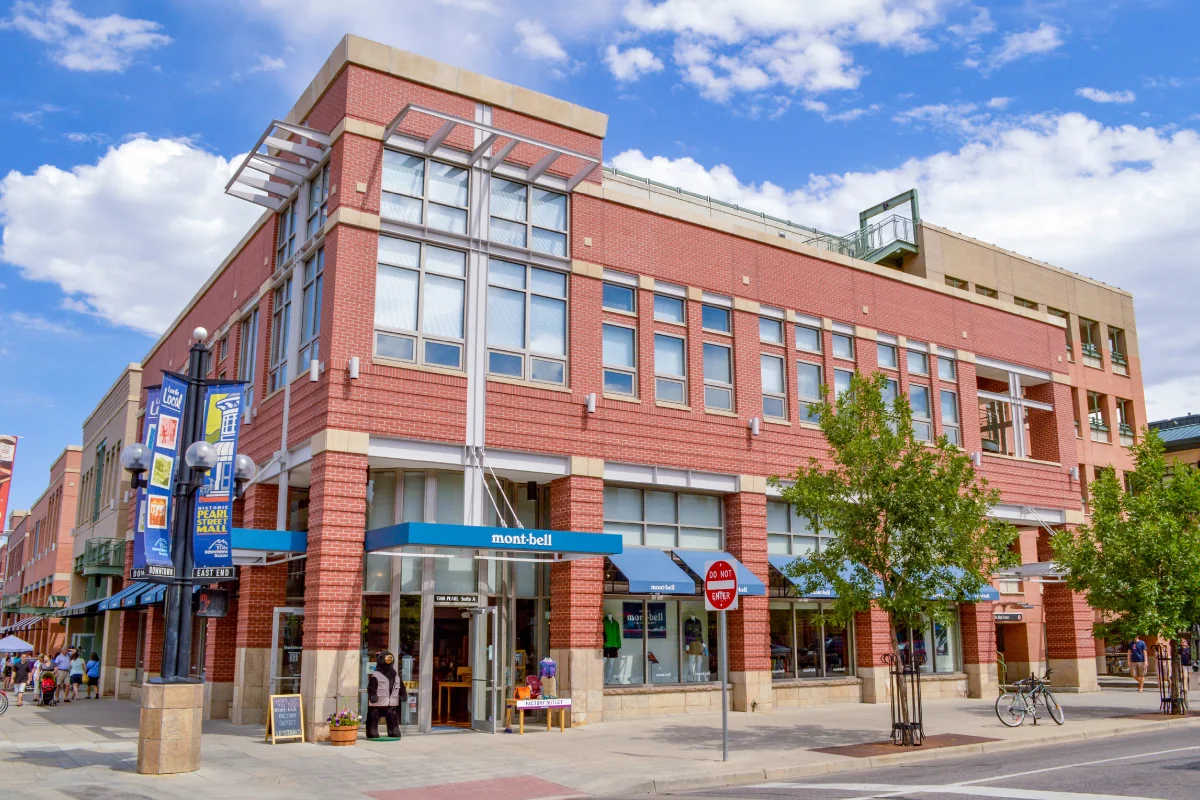
Outside of Japan, however, Montbell is often seen through a slightly different lens. While the other major Japanese outdoor brand Snow Peak has become recognizable abroad through a premium, lifestyle-oriented image, Montbell’s international presence remains somewhat restrained. The company has only three brick-and-mortar stores abroad: one in Boulder, Colorado, and two in Switzerland. Yet through its online accessibility and reputation for innovative functionality, Montbell has gradually developed a cult following in the West for reasons very different from those that led to its success in Japan.
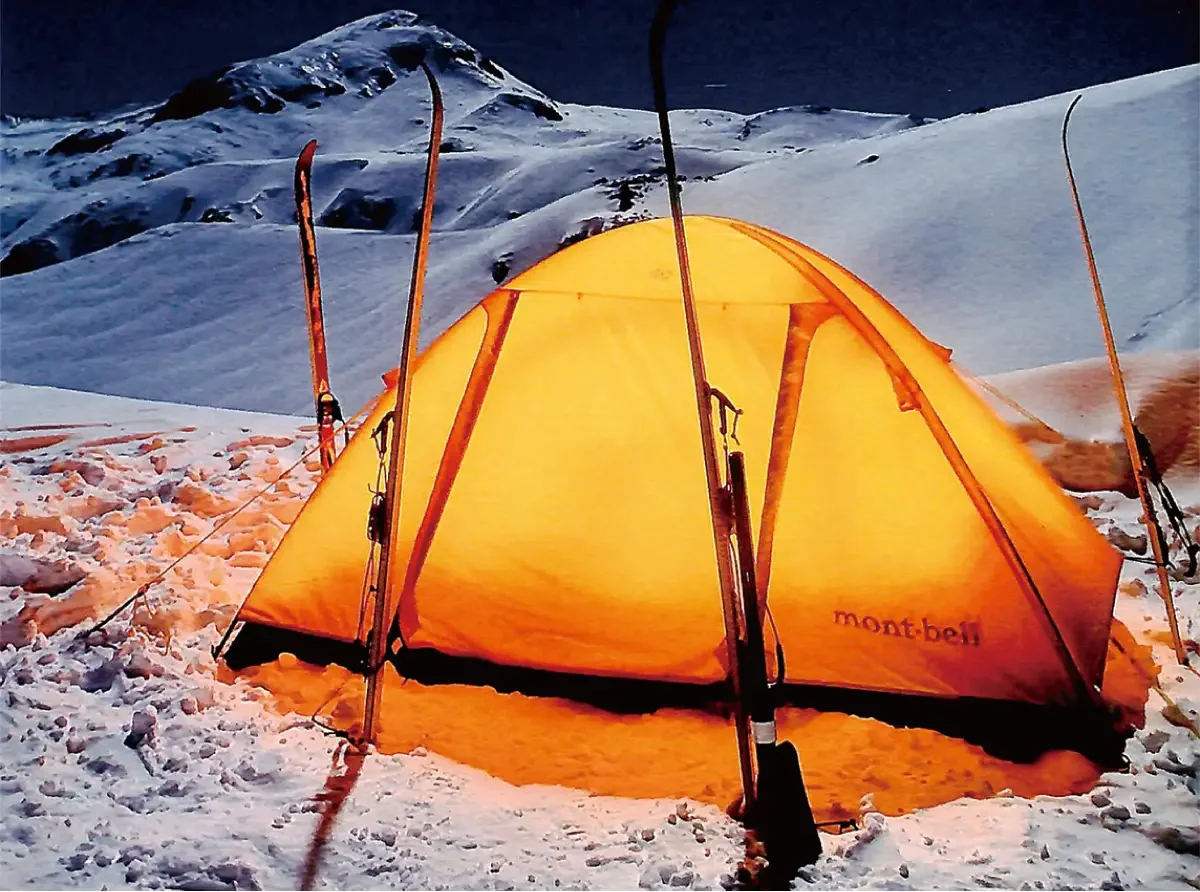
montbell-stellaridge-tent-1999

Montbell's Mountain Climbing Origins

Montbell’s story begins in 1975, when 28-year-old mountaineer Isamu Tatsuno founded the company in Osaka. He set out to build an outdoor label that offered gear that addressed the real shortcomings he had experienced firsthand in the mountains. In his view, a lot of gear was inefficient for the activities it had been designed for.

Born in 1947 during Japan’s difficult postwar recovery, Tatsuno came of age in a country rebuilding itself both economically and culturally. His ambitions for the outdoors were sparked early on after reading Heinrich Harrer's The White Spider, which tells the story of the first ascent of the Eiger’s notorious north face. Tatsuno became determined to climb the mountain himself and make history as one of Japan’s first alpinists to do so.

And that’s just what he did. In 1965, at just 21 years old, Tatsuno and his climbing partner Sanji Nakatani successfully summited the Eiger’s north face, becoming the first Japanese team to complete the ascent safely. (Safely being a key word; Tsuneaki Watabe and Mitsumasa Takada did the route in August 1965, but Watabe died in the attempt.)

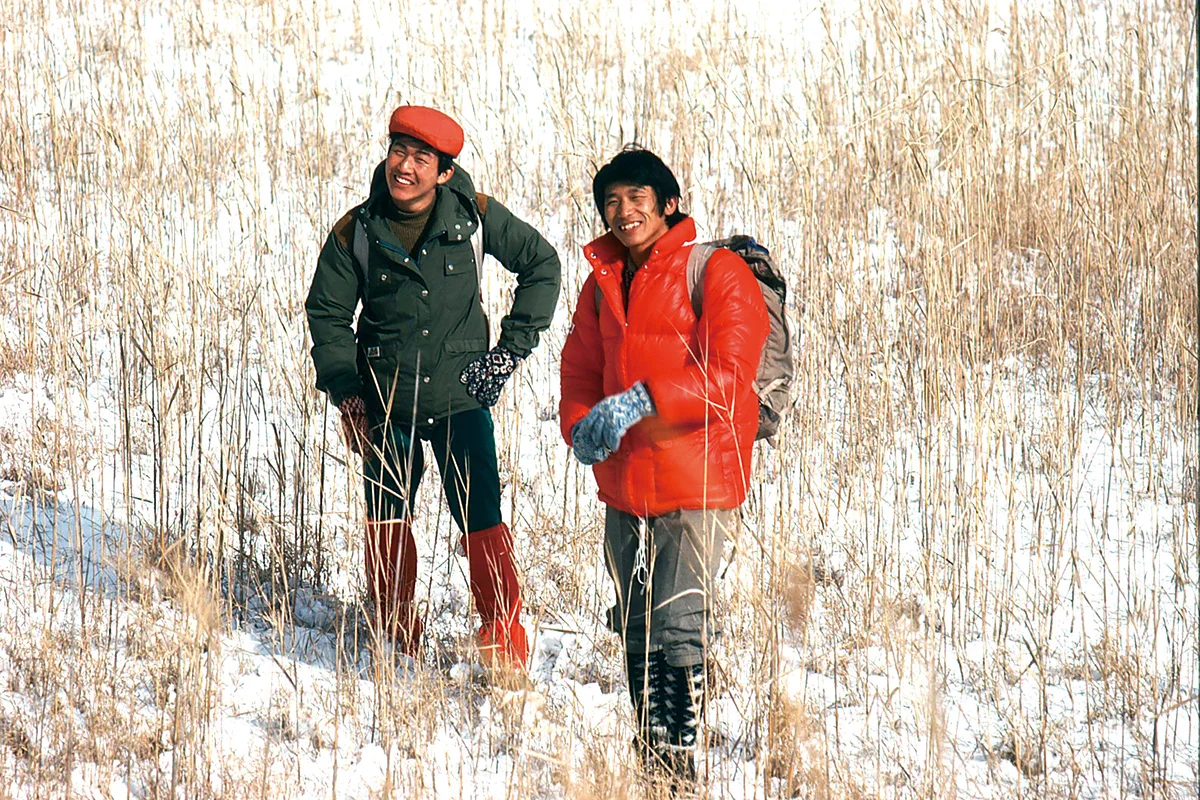
montbell-feature-founder-photo

Montbell founder Isamu Tatsuno, right, and co-founder Fumiaki Masaki, left

The climb was an important milestone, but it also changed how Tatsuno thought about outdoor equipment. (It's also why Montbell operates one of its three international locations in Grindelwald, at the mountain's base.) The heavy and slow-drying gear available at the time often created unnecessary disadvantages in extreme alpine conditions. Tatsuno wanted to change that.

Returning to Japan, Tatsuno worked in various outdoor-related businesses, even opening one of Japan's first rock climbing schools. Most importantly, he spent time working in the textile department at Marusho Sangyo (now Somar Corporation), a trading company that specialized in technical fabrics.

The aspiring entrepreneur saw an opportunity while working with these fabrics. He realized that outdoor gear could be lighter, more efficient, and better suited to the actual demands of climbers and adventurers. Alongside Fumiaki Masaki, who was one of the first students at Tatsuno's rock climbing school, and Sachiko Masuo, who were part of the same mountaineering circle that Tatsuno was a part of, he launched Montbell in a small 23-square-meter office in Osaka.

Their idea was simple—focus on addressing the technical limitations of existing gear, and try not to be just another fashion brand.

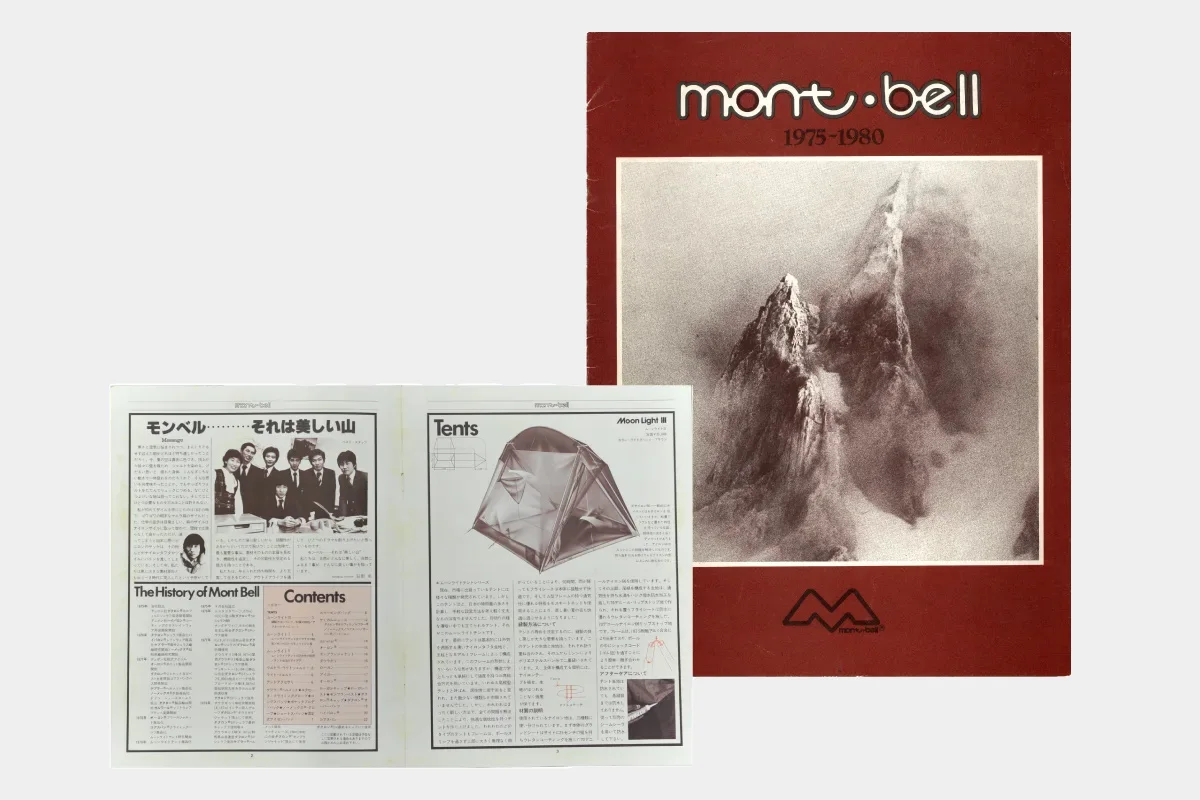
montbell-catalogue

An early Montbell catalogue

A Tradition of Innovation

Derived from the French phrase mont belle (beautiful mountain), the company's name reflected Tatsuno’s appreciation for alpine landscapes, while the bear logo they chose represents Tatsuno’s respect for nature. Both ideas remain central to the company’s identity today—they're channeled into its product philosophy and the long list of conservation initiatives and local team-ups the company has established throughout Japan.

From the beginning, Montbell set itself apart through materials. In the late 1970s, the company began working with advanced synthetic insulations such as DuPont’s Dacron Hollofil II, along with industrial fibers more commonly associated with bulletproof vests and firefighting gear. For Tatsuno, these materials were not a mere novelty. Instead, they were a way to solve the same problems he had encountered in the mountains.

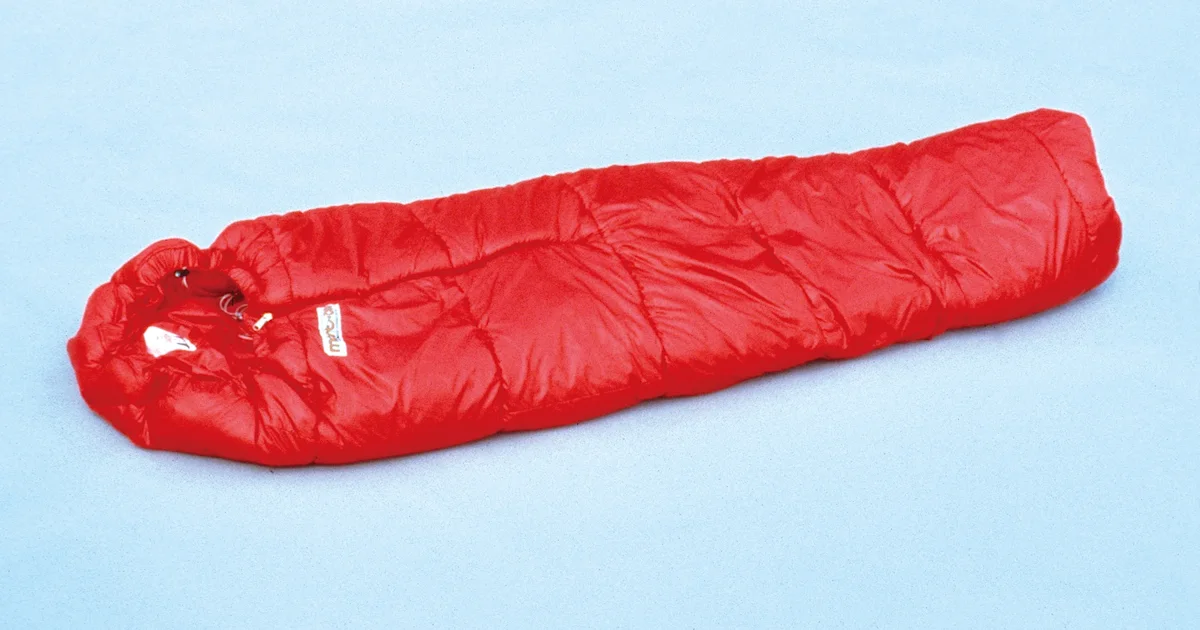
One of Montbell’s earliest innovations came in 1976 with its synthetic-insulated sleeping bag. Synthetic sleeping bags weren't new, but many were large and heavy. By using Hollofil, Montbell created the Dacron Sleeping Bag, which offered stronger heat retention, lower weight, and better comfort in the field.

montbell-feature-hollofil-sleeping-bag

Hollofil Sleeping Bag

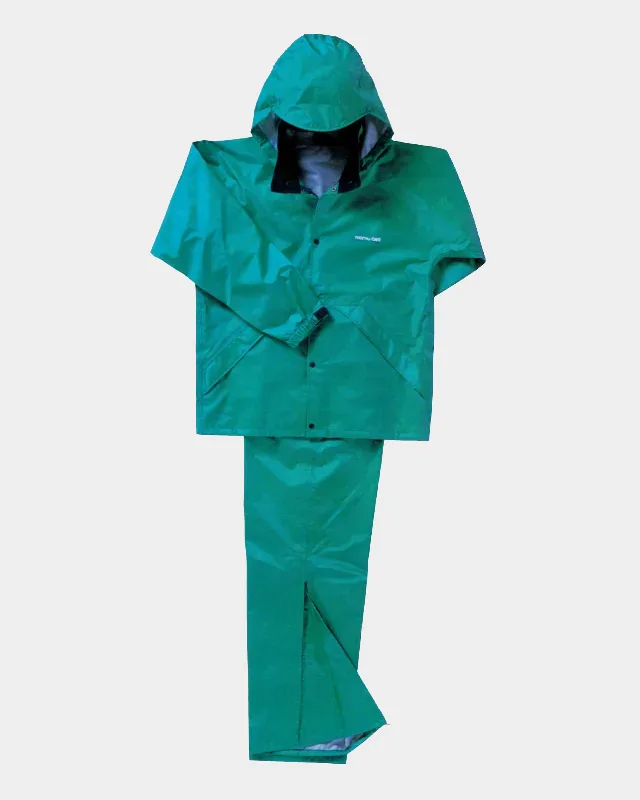
montbell-stormcruiser-rainwear

Stormcruiser Rainwear

More technical experiments followed. Montbell developed rainwear using Hypalon, a highly breathable and waterproof alternative to other fabrics at the time, like rubber-coated materials or plain old PU-coated nylon. They also adapted the flame-resistant fiber Orlon into fabrics for socks and fleece jackets, used Nomex in heat-resistant gloves, and combined 3M’s Thinsulate with Toray’s Entrant to create jackets that were warm, waterproof, and breathable.

Some of those early ideas would eventually become staples in Montbell’s product world. The Moonlight Tent, developed in 1979, remains one of the clearest examples. Kazuhiro “Tommy” Tomiyama, a representative of Montbell, told Field Mag that its “basic design has remained largely unchanged to this day,” a rare kind of longevity in an industry often driven by seasonal updates. The reason is simple: it worked. It was easy to set up and dependable enough that its original idea still holds up decades later.

Rainwear became another defining category for Montbell. It's not surprising in Japan, where the rainy season runs from June into mid-July and where reliable protection from wet weather is useful far beyond the mountains. Products like the Storm Cruiser (first developed in 1982) have been revised and refined for decades rather than replaced outright.

Both the Moonlight Tent and the Storm Cruiser jacket showcase Montbell’s broader approach of keeping what works and avoiding change simply because the market has moved to something new. It's notable that no pieces in Montbell's lineup utilize Polartec Alpha Direct, the fuzzy technical fabric favored in the ultralight backpacking crowd that has become more and more common in recent years.

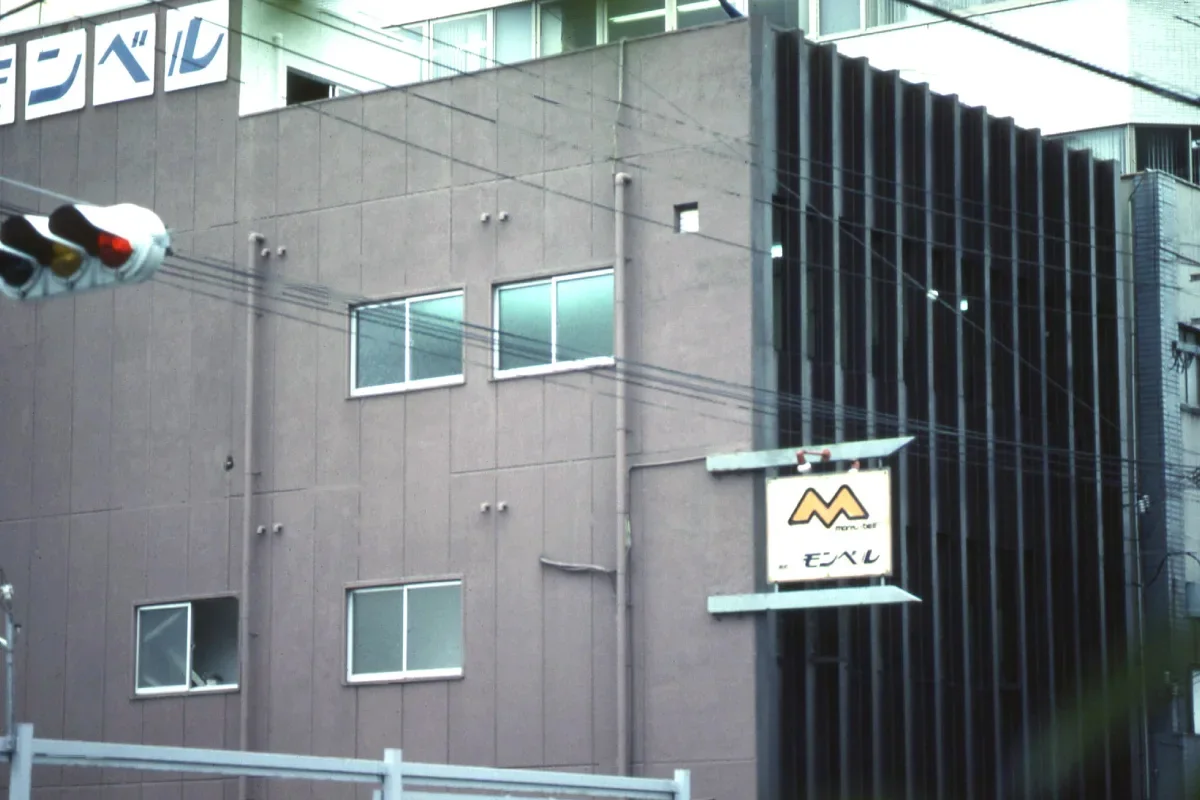
montbell-osaka-store

The original Montbell Osaka

Montbell in Japan vs. the U.S.

In Japan, Montbell is everywhere. With more than 130 stores domestically, the company’s friendly bear mascot is a familiar sight, standing outside storefronts from Hokkaido to Okinawa. This has helped make the brand a household name, its status similar to that of REI in the U.S. or Decathlon in Europe.

That kind of presence has moved Montbell beyond the typical boundaries of outdoor retail. In 2025, the company opened a location in Kurotaki, a small village of 600 in Nara Prefecture, about two hours south of Kyoto, that's surrounded by mountains and forests. The store is operated by the local forestry association instead of Montbell—which shows how seriously the brand takes its mission to cooperate with local agencies across Japan. Inside, chainsaw pants, boots, and pack frames for carrying logs sit alongside more familiar outdoor products like Montbell cookware, backpacks, and stuff sacks. The store also calls attention to Montbell's ability to draw visitors to rural areas while supporting the people who live and work there. According to Tomiyama, this "comprehensive collaboration with local governments has breathed new life into the outdoor scene in Japan" by connecting it to local communities.

Meanwhile, in the U.S., Montbell's name is much less recognized. Rather than a ubiquitous brand that makes everything from camping and hiking basics to technical garments for ultralight alpinism, it maintains a sort of if-you-know-you-know status. You'll encounter it on forums, but maybe not your local trails.

There are a number of reasons for this.

For one, while Montbell often collaborates with manufacturers to develop new technologies for their products and with communities and institutions around Japan, you don’t see many co-branded products beyond local goods (like mountain hut shirts) or the occasional Japanese-made watch. This gives the company a lower profile when releasing products than, say, a company like And Wander, which regularly releases collab products made with other brands like Altra and Salomon to reach new audiences and extend its presence beyond the outdoor industry.

In the U.S., Montbell also lacks the same concentrated network of brick-and-mortar stores and civic presence that it has in Japan. American consumers will most likely first encounter the brand through online reviews, long-distance hiking groups, or, if you’re in Colorado, the company’s Boulder storefront.

montbell-feature-boulder-store-location-exterior

Montbell's Boulder, Coloardo store

In these venues, the brand is known less as a household name than a maker of quality, technical gear. America's long tradition of thru-hiking has fostered a community that prizes practical equipment that's lightweight and works well, and among that community, products like Montbell's ultralight Versalite Rain Jacket and Plasma 1000 Down Jacket are held in high regard. Utility is more important than image (why else make an umbrella for hiking?). Montbell has always championed that philosophy.

But despite the impressive amount of gear Montbell offers, no single item has struck a cultural chord like Patagonia's Synchilla fleece or The North Face's Nuptse jacket, two pieces that transcended their technical origins and were adopted by a general audience well beyond the traditional outdoorsy set.

Montbell's logo is often accompanied by the tagline “Function is Beauty.” This quiet, practical identity is part of what makes it so appealing—and widespread—in Japan, but also perhaps part of why it has never become as culturally loud in the U.S. The company's reputation has been built on reliability, utility, and efficiency, not million-dollar marketing campaigns and hype-driven collabs.

By adhering to the principles and product philosophies laid out by its founder and continually improving on what the company knows works well, Montbell has become a constant part of everyday life in Japan. It's probably a stretch to think the brand's roots will ever sink as deeply in the U.S. But as more hikers, backpackers, campers, and climbers discover it, its reputation as a maker of some of the best outdoor gear coming out of Japan will only grow.

Now that you know the story behind one of Japan's biggest outdoor brands, here are 16 more Japanese outdoor brands to have on your radar.