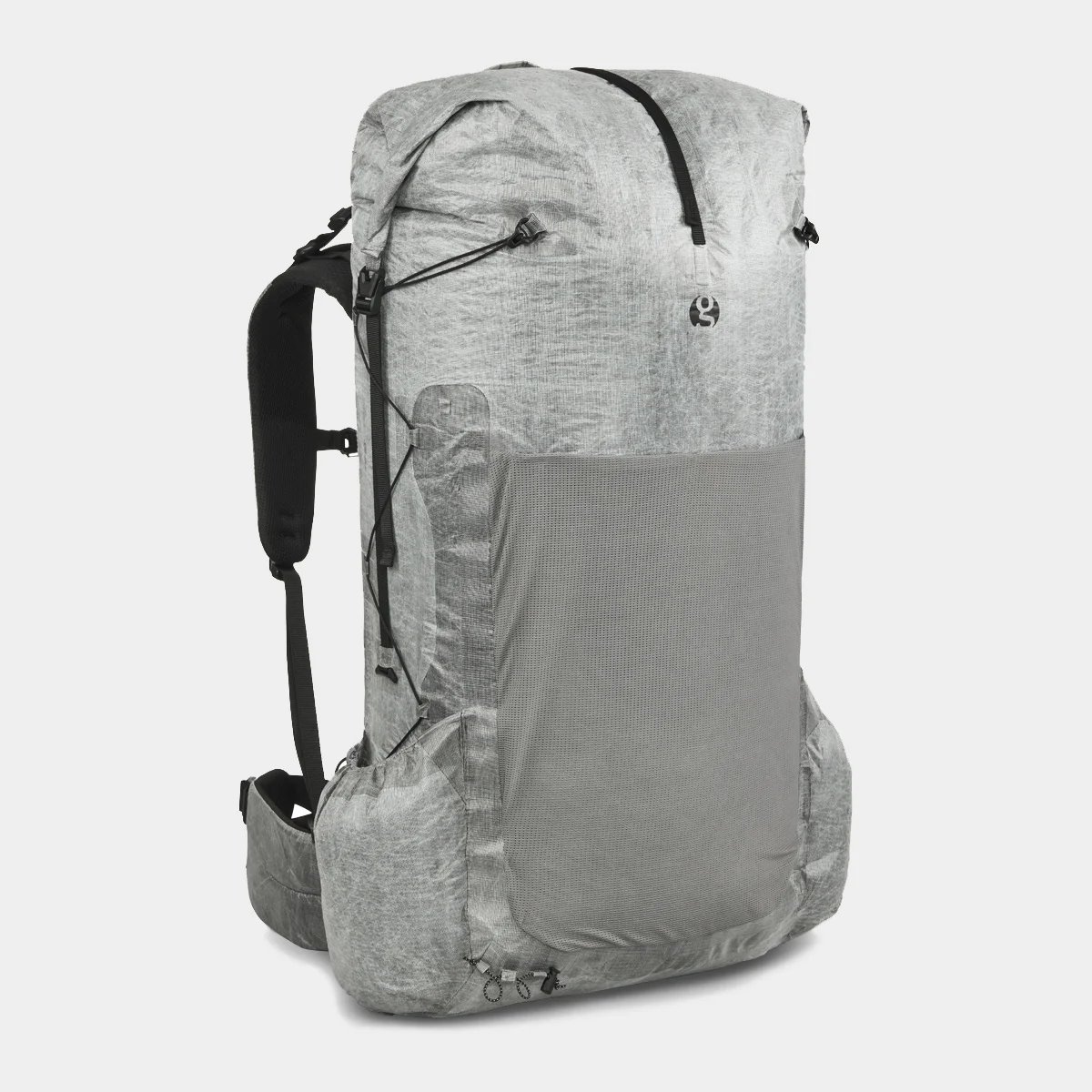
Gossamer Gear is one of the oldest names in ultralight backpacking. Over a span of nearly 30 years, the company, founded in California and now based in Texas, has helped guide the ultralight hiking from the alternative fringe to the mainstream mindset. We can attribute a good part of that shift to the packs they make. Their designs are accessible, and slightly familiar with an over-the-top flap that resembles a traditional pack, with thick hip belts featuring plenty of pockets. The brand's best known packs would fit well alongside the more mainstream packs on the wall at REI if they weren’t so much lighter.
Nearly three decades in, Gossamer Gear is better known in the ultralight world for approachability than progressive designs. The company maintains a core following of long-term customers and its packs consistently make top ultralight backpack lists, yet they haven’t inspired the same excitement and attention as wares from younger brands like Durston or Pa'lante. As new companies emerged in the 2010s with trendy fabrics and clouty marketing, Gossamer Gear stayed its course.
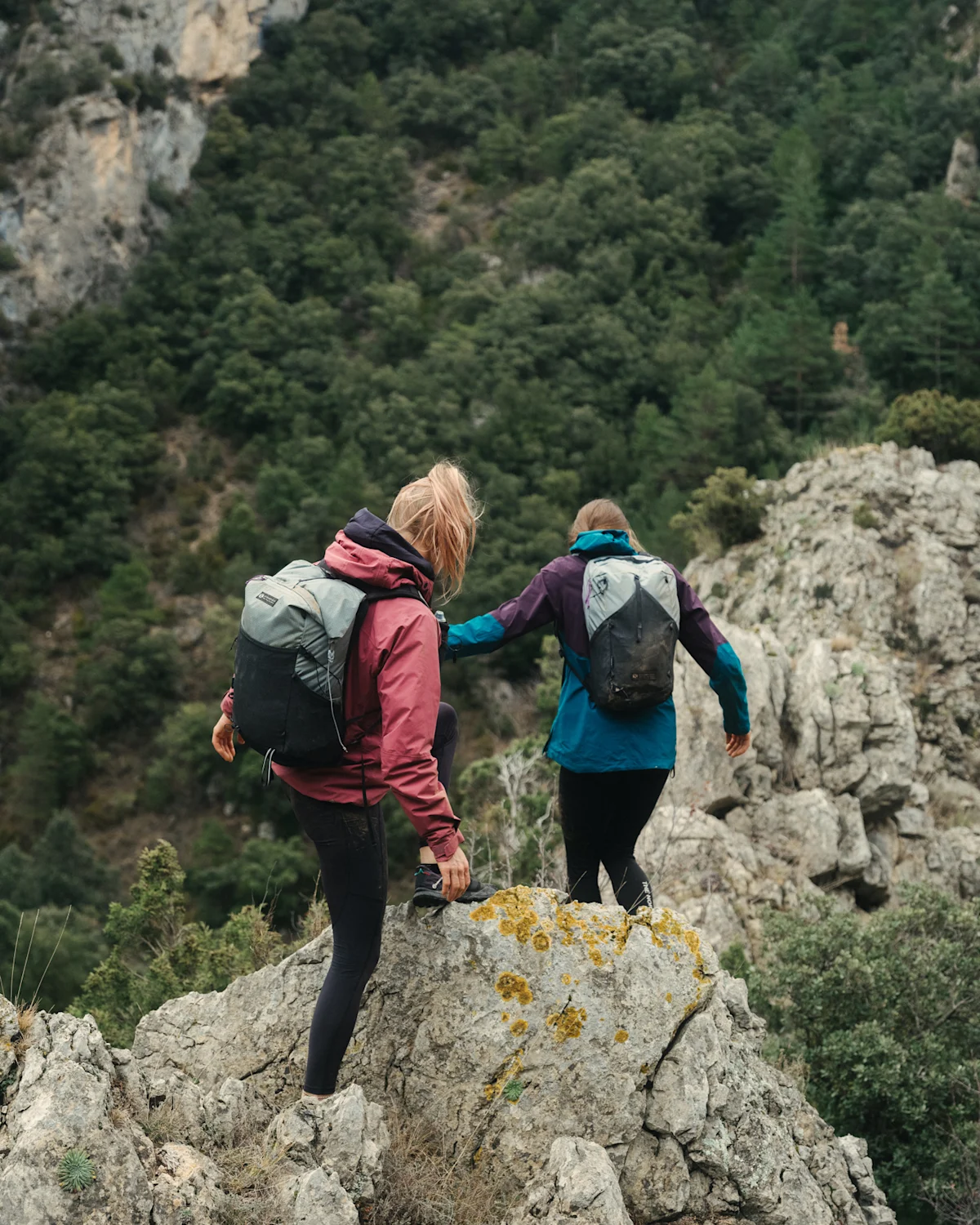
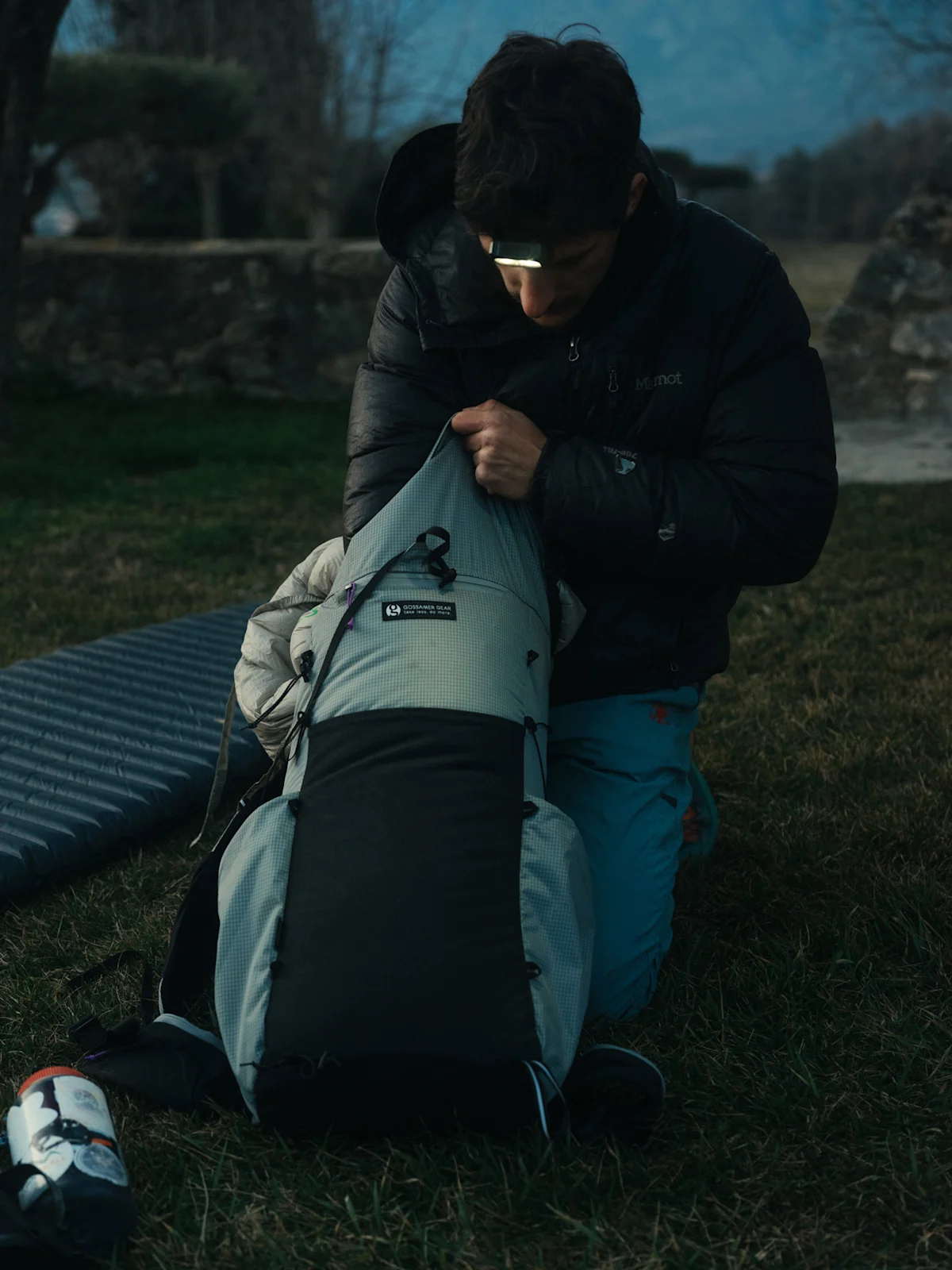
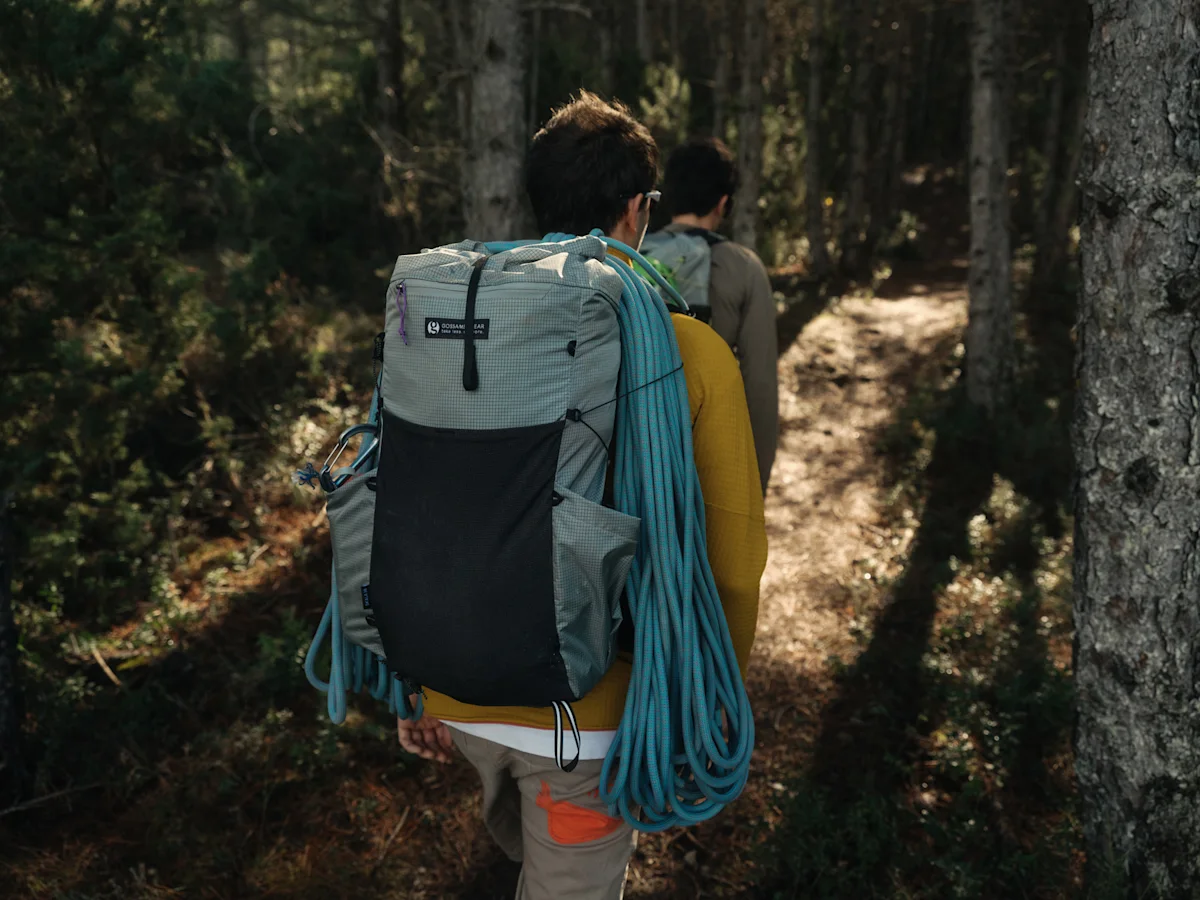
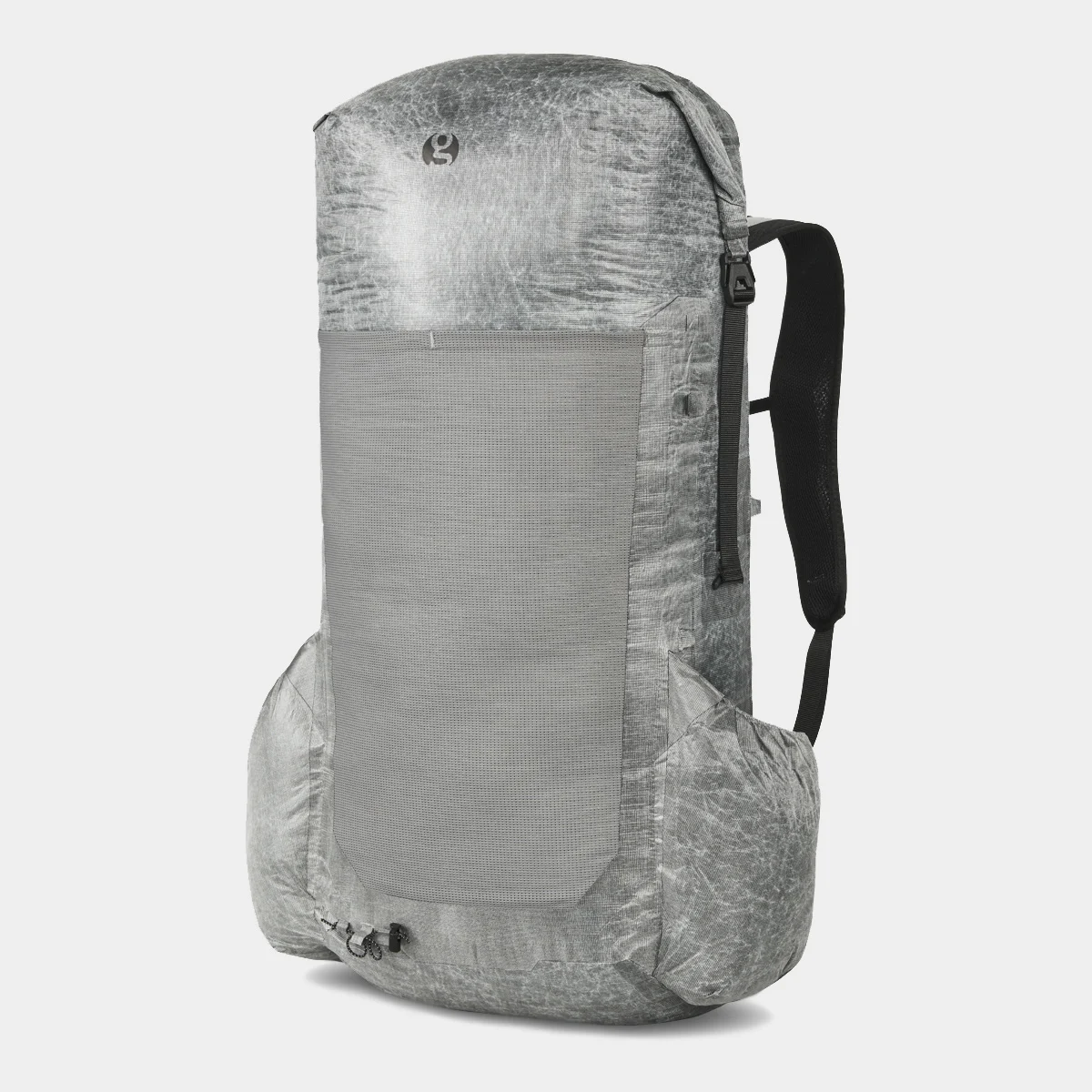
Then, in 2025, the company upended that reputation with new pack designs that are a real departure from their status quo. The Gossamer Gear Type II and Alchemy Collections represent an unexpected upwell of creative output featuring new fabrics and silhouettes—plus slick advertising that could have come from an upstart brand with big label backing. After building a reputation on reliable, ultralight gear, Gossamer Gear has proved that it still has plenty to say in an increasingly crowded ultralight market. Being reliable isn’t necessarily the same as being relevant.
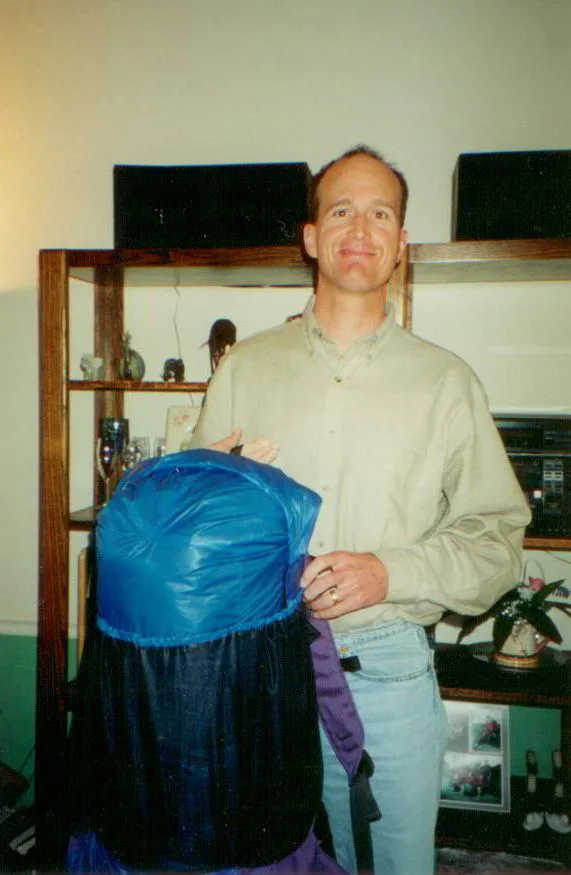
Glen Van Peski with a G1 pack | Courtesy Gossamer Gear
Gossamer Gear's DIY Origins
Like another one of the outdoor industry's famous reluctant businessmen, Glen Van Peski never intended to start an ultralight backpacking company. Family and a civil engineering career kept him busy enough, and ultralight backpacking was a little-known pursuit in the late 1990s. But when he was introduced to Ray Jardine’s classic ultralight writings through his son’s Boy Scout troop, he started to re-evaluate his own kit. “I looked at my gear and my pack weighed seven and a half pounds empty. I thought, well, that's probably a good place to start,” Van Peski told me.
The culture of ultralight backpacking as we know it now traces back to Jardine, who wrote several popular books on ultralight hiking and sold DIY Ray-Way kits for packs, ultralight quilts, and more. Jardine was followed by Kim and Demetri Coupounas with their Boulder-based gear company GoLite, and by Gossamer Gear, both founded in 1998.
When Van Peski decided to start sewing packs, there was little information beyond Jardine’s books, and no standards for ultralight gear—if you couldn’t sew it yourself, you were out of luck. Van Peski himself is one of the first people quoted using the “10-pound base weight” rule—which says the total weight of a UL gear setup, minus food and water, should be 10 pounds or less—in a 2005 essay published in Backpacking Light. Van Peski was lucky to have the requisite skills to make his first pack, the G1, followed by several more named in succession. By the time he got to G4, he was confident enough in his design to post the plans on a Pacific Crest Trail listserv (remember those?) so industrious hikers could make their own.