Big Agnes Ultralight VST Tents: New Shelters That Don't Skimp on Features

Big Agnes Ultralight VST Tents: New Shelters That Don't Skimp on Features

Author Photographer
  • Noah Wetzel courtesy Big Agnes

Four new backpacking tents from the Colorado camping brand make the simultaneous case for no-nonsense ultralight design and new tent trends

Published: 05-14-2026

Field Mag may receive a minor commission from purchases made via affiliate links.

Hiking season is nigh, and Big Agnes just released brand new tent designs for 2026 that will get lightweight backpackers excited to sleep on the ground this summer. The new VST family features four ultralight shelters, each one designed around thru-hiker feedback and shaving grams. But more than the final number on the scale, the VST collection is a notable effort from a big established brand to combine emerging trends with tried-and-true ultralight design.

All four of the new tents share the same foundational specs. The hybrid single/double-wall construction is designed to reduce condensation and made of interior mesh and the company's 20-denier recycled HyperBead polyester fabric, which has shifted from silnylon to silpoly. Silpoly is less prone to sagging when wet, making it a superior fabric for the fly, which also has fully bonded seams and no seam tape or needle holes, and has a 4,000mm waterproof rating. The floor is made of 15-denier HyperBead nylon ripstop.

The VST collection leans into a budding trend: these tents come in half sizes. Meaning, 1.5-person rather than 1 and 2.5 instead of 2, a convention that Durston Gear brought into the wider backpacking conversation a few years back. That little bit of extra width fits a 25-inch rectangular pad, accommodates a dog, or just gives you room to exist in the tent. Whether that makes sense for an ultralight line is a fair question—to some, it might feel a bit like “weight creep." The weight goes up and the category gets blurrier, but the appeal broadens, which seems to be what Big Agnes is after.
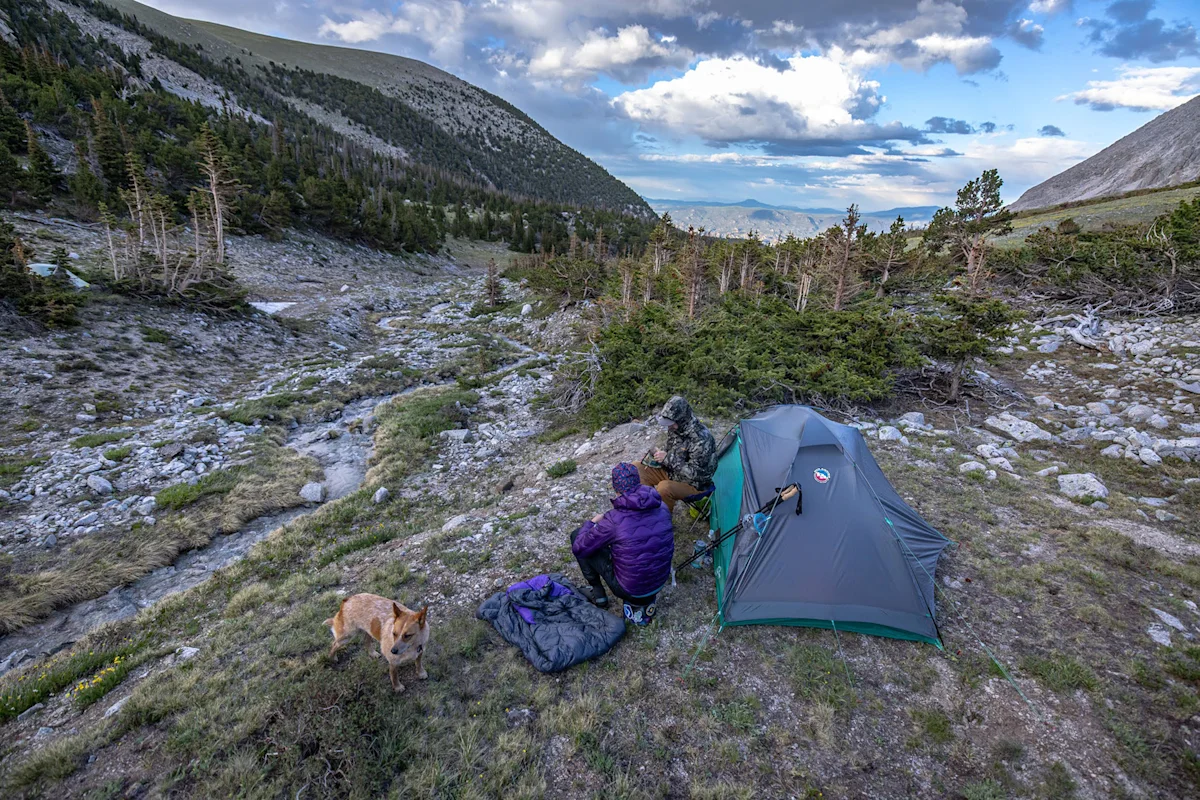
big-agnes-noah-wetzel-sarvis-VST-camping-lifestyle

Sarvis VST 2 | Photo by Noah Wetzel courtesy Big Agnes

The most exciting tents in the line is the String Ridge VST (lead image), available in 1.5-person and 2.5-person sizes. Both are trekking pole-supported, non-freestanding shelters with an asymmetrical floorplan that turns the dead space at the head or foot into usable gear storage. A few big companies have dabbled in non-freestanding pyramid shelters, including Big Agnes with its Scout line a decade ago, but the String Ridge is closer in ethos to shelters made by smaller makers, like Yama Mountain Gear's Swiftline or the ZPacks Duplex. At 19 ounces for the 1.5 and 30 ounces for the 2.5, they're competitive among silpoly trekking-pole shelters, though they don't approach the lightness of Dyneema.

Whenever one of the big players steps into the ultralight realm, it always begs the question why backpackers should support this brand over the small companies who often push these designs forward. The String Ridge is competitive with the tents made by cottage brands in both price and specs, so our answer tends to focus on sales, customer service, and brand loyalty. Don't expect a sale on the VST line any time soon, but realistically, bigger companies and retailers have larger margins and can offer bigger discounts than cottage brands. They also tend to have more reliable warranties and customer service than the small brands, which does count in the realm of expensive, fragile gear.

Mostly, it comes down to brand loyalty—are you a Copper Spur diehard curious about going even lighter? Or maybe you're an ultralight who thinks the extra space of a 1.5-person design sounds nice. Either way, the VST is the answer.

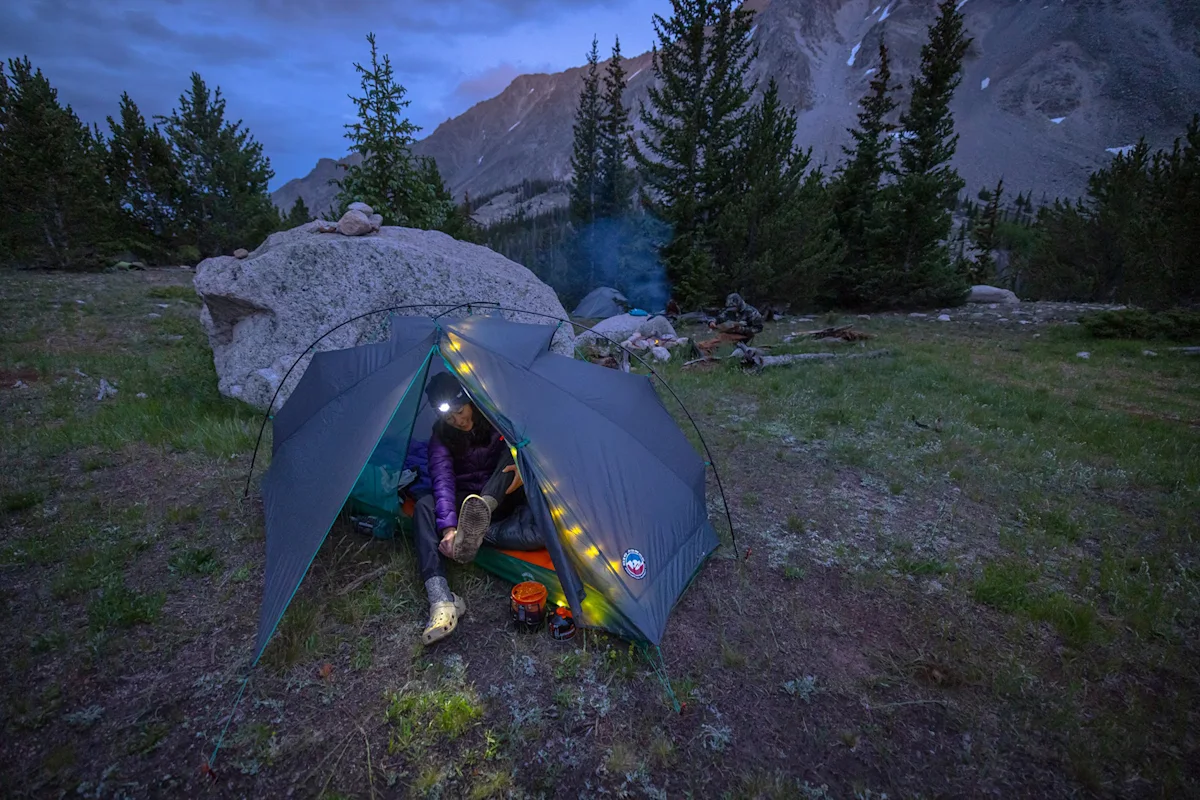
big-agnes-noah-wetzel-pitchpine-VST2-night-camping

Pitchpine VST 1.5 | Photo by Noah Wetzel courtesy Big Agnes

Alongside the String Ridge, there's the Sarvis VST, the family’s freestanding option, available in 2-person and 3-person sizes. At 2 lb 8 oz for the two-person model, it's the lightest freestanding tent Big Agnes currently makes, two ounces lighter than the Copper Spur UL2. The Sarvis also has a non-tapered floor, which gives it a livability edge over the Copper Spur's tapered geometry. But at $750, it costs $150 more than the Copper Spur UL2, and that's a hard premium to justify unless the weight savings matter that much to you.

For those who want to split the difference, Big Agnes also released the semi-freestanding Pitchpine VST 1.5. This tent uses two connected DAC Featherlight poles to hold its structure, meaning it can stand on its own but it'll benefit from staking out. At 27.1 ounces, it's heavier than the String Ridge 1.5 by a meaningful margin, prioritizing interior volume and a fast setup over minimum weight. But, impressively, the Pitchpine is lighter than the ultralight darling Nemo Hornet Osmo 1 (29 ounces), and that may shake up a lot of “best ultralight tent” lists going forward.

The VST line isn't going to pull serious gram-counters away from their Dyneema shelters, but it probably isn't trying to. For the hiker who wants to go lighter without committing to cottage gear or a steep learning curve, the collection presents a compelling middle ground with some nice choices staked to it. I destroyed my first Dyneema tent on my second day hiking the Continental Divide Trail, so it’s a middle ground I might really recommend to newbies. The designs are thoughtful, the material platform is solid, and the String Ridge in particular is the kind of tent that makes you want to go plan a nice long hike.

Visit Big Anges to Learn More

Looking for more UL gear ahead of summer camping szn? Add these UL backpacking quilts and sleeping pads to your kit.