How Fastpacking Went from Fringe Pursuit to Taking Over the Trails

How Fastpacking Went from Fringe Pursuit to Taking Over the Trails

Author Photographer
  • Andy Cochrane, Jeff Garmire, Courtesy Berghaus

Ultralight gear and online resources have made the trail running and ultralight hiking hybrid a popular way to approach long-distance routes

Published: 11-12-2026

Field Mag may receive a minor commission from purchases made via affiliate links.

In 2024, Jeff Garmire, an endurance athlete and coach who holds the self-supported FKT for the Appalachian Trail, went hiking for a friend’s birthday. It wasn’t a typical jaunt but an out-and-back traverse of Nevada’s Ruby Crest Trail, a roughly 80-mile round trip with 18,000+ feet of overall elevation gain that begins at Harrison Pass, passes by Overland Lake, and terminates at Lamoille Canyon before the returning back the same way. Most backpackers take five to seven days for the out-and-back; Garmire and his friend planned to complete it in three. They weren't backpacking, they were fastpacking.

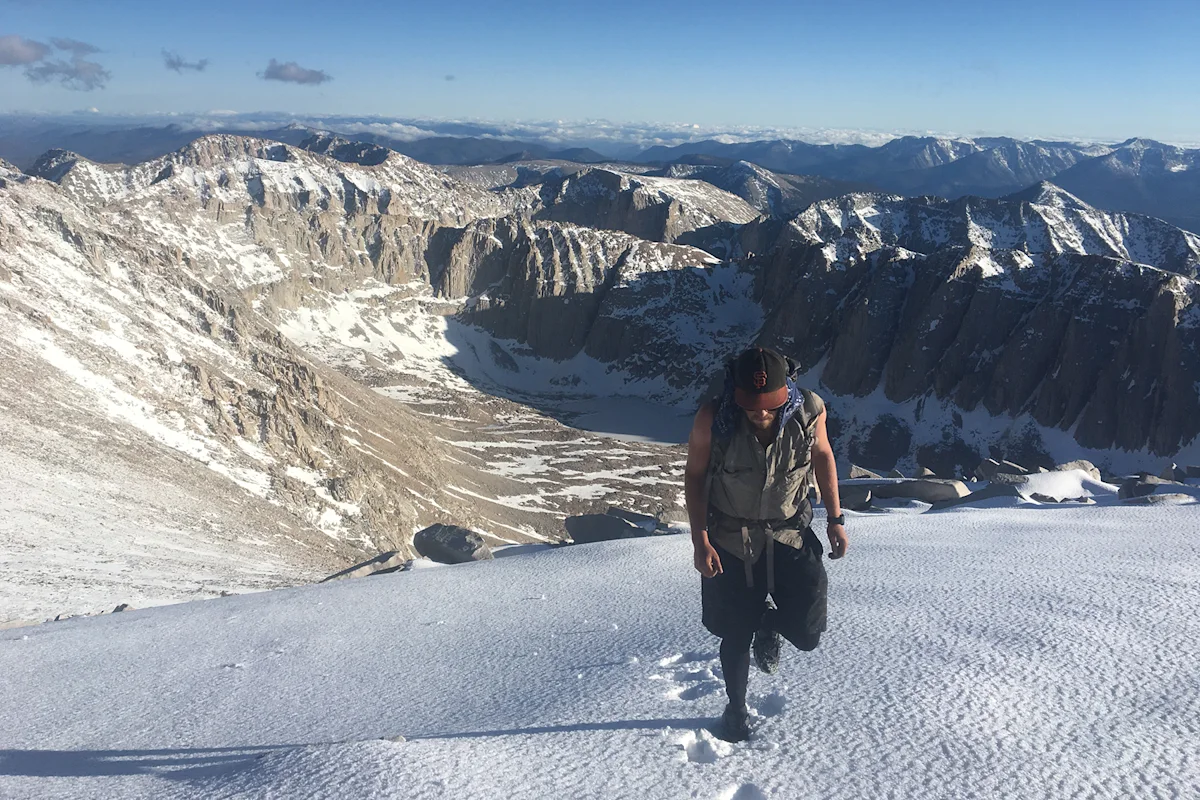
As two athletes who Garmire estimated had each done over 15,000 miles of backpacking, the pair felt confident moving fast and packing light. The weather was a glorious 85 degrees as they embarked. Then came a surprise. When they awoke near Liberty Lake after the second night of camping they were surrounded by six inches of fresh powder.

“That's the quintessential definition of fastpacking,” Garmire told me when we chatted about the trail running and ultralight hiking hybrid that is becoming increasingly popular. “We covered 80 miles in three days, finished every day in the daylight, swam in lakes and enjoyed where we were at, and then when something unexpected came up, we were able to deal with it because we still had the gear we needed.”

That, in a nutshell, is fastpacking: a fast-growing pursuit that combines the multi-day satisfaction of a backpacking with the lightweight efficiency of a trail run. Bolstering this emerging trend is an increased availability of online resources and fine tuned ultralight gear.

Recently, I spoke with Garmire and Des Linden, Boston Marathon winner, Olympian, author, and fastpacking enthusiast, to find out more about what's given this specific approach to backpacking a surge of momentum among trail enthusiasts.
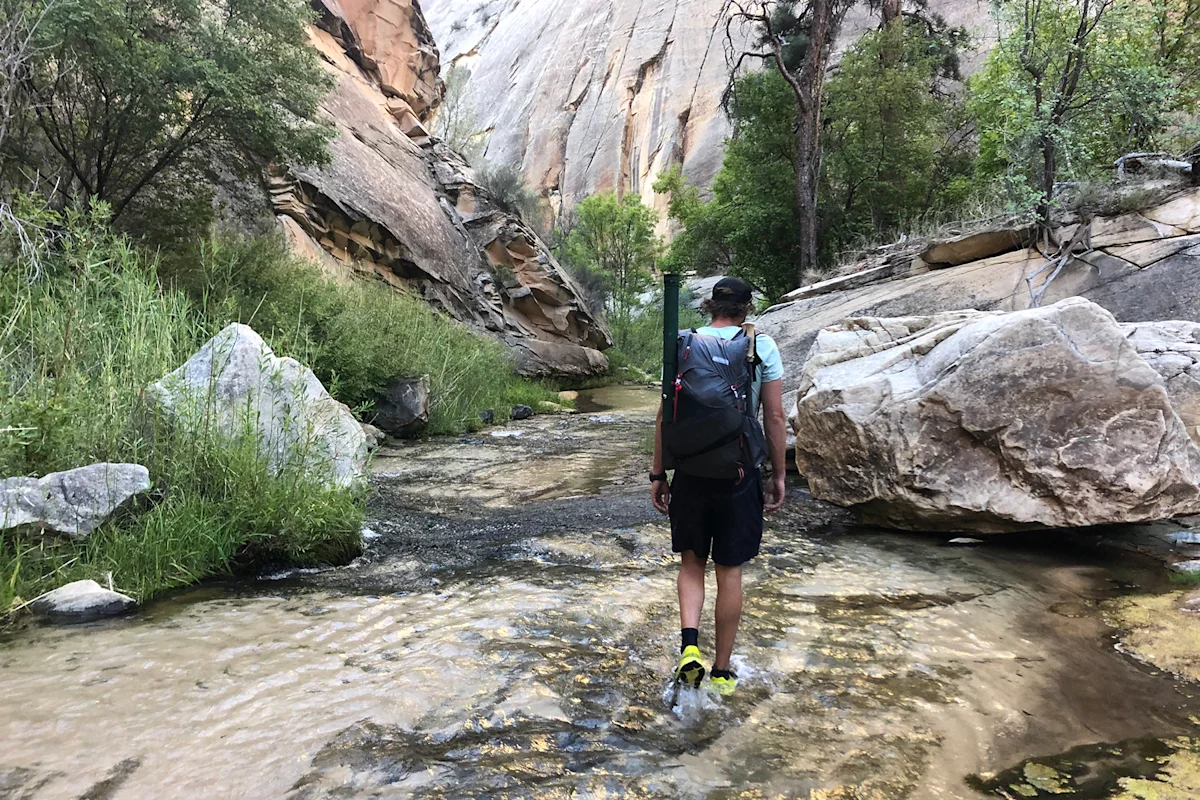
jeff-garmire-paria-river-fastpack

Photo by Jeff Garmire

What Is Fastpacking?

There isn’t really an agreed upon definition of the sport, but the most common way to describe fastpacking is as a trail running and thru-hiking hybrid. Fastpacking utilizes gear and apparel from both UL hiking and trail running to allow people to cover a lot of terrain with a minimal amount of gear. It was born of a desire to be unencumbered and yet unlimited, and so there is a refreshing element of freedom associated with it.

Des Linden, who retired from pro marathoning after the 2025 Boston Marathon, is used to being on the clock, timing every element of her training to achieve optimization. Yet there is no clock in fastpacking.

“For me this is a way to get away from comparisons,” she told me. “The idea of exploration and using running to go where you want to go and see things you want to see takes a skill I'm really good at already and adds in the travel element, which is something I love.”

She credits ultrarunner Ruth Croft, journalist and Field Mag contributor Andy Cochrane, and Olympian and GU Energy president Magda Boulet with getting her hooked.

“It’s an adventure with friends,” said Linden. “You can run what’s runnable, and hike when you need to. If there's something beautiful we want to stop and take photos of, we do that. I love that it's pretty adaptable. It can be whatever you want it to be, and that can change and evolve throughout the trip.”

Garmire sees fastpacking as the natural direction backpacking is going in. “When backpacking growing up, we always had in our minds that we could cover two miles an hour,” he recalled. “Now, having cut half the weight or more from what we carried in those days, you can move three to four miles an hour. So you can move more efficiently and have more control over your time.”

In other words, there’s no need, with modern gear, for mountain trips to be a heavy slog. Cutting down on weight and increasing speed and joy is the name of the game.

andy-cochrane-marathon-des-sables-3

Photo by Andy Cochrane

Why Is Fastpacking Having a Moment?

According to Garmire, the shift towards UL gear really took off about 15 years ago. This allowed for the same level of preparedness and comfort with a much lighter load.

One example of this is quilts. Garmire noted that the ability to ditch sleeping bags in favor of packable quilts could eliminate up to a pound from what hikers typically carry for overnight trips. Advancements in versatile technical fabrics like Polartec's Alpha Direct have reduced the need for multiple layers. And water filter technology has greatly improved, allowing a 1.7-ounce filter to replace more cumbersome contraptions.

Over the same span, trail running has grown in popularity, and advancements in the industry have led to a new category of equipment that can serve runners and UL enthusiasts alike. Footwear has been at the forefront of this revolution, as a staggering number of thru-hikers now opt for trail running shoes instead of traditional hiking boots.

“What it comes down to is having as much comfort as possible without sacrificing weight,” said Garmire. “Light and comfortable is where footwear is. You need a solid sole so you don’t feel every rock, but you want to be able to get to the end of a long day faster. I use the Mount to Coast M1 if it’s going to be a little more technical.”

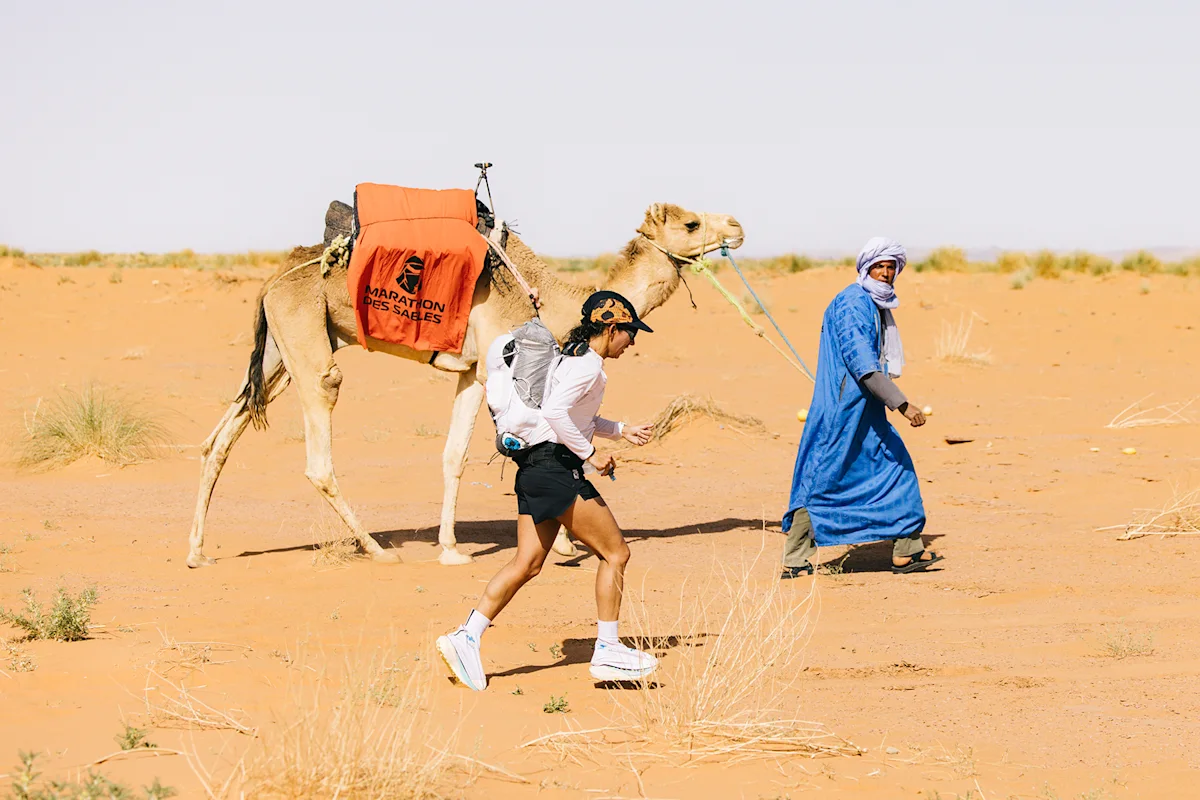
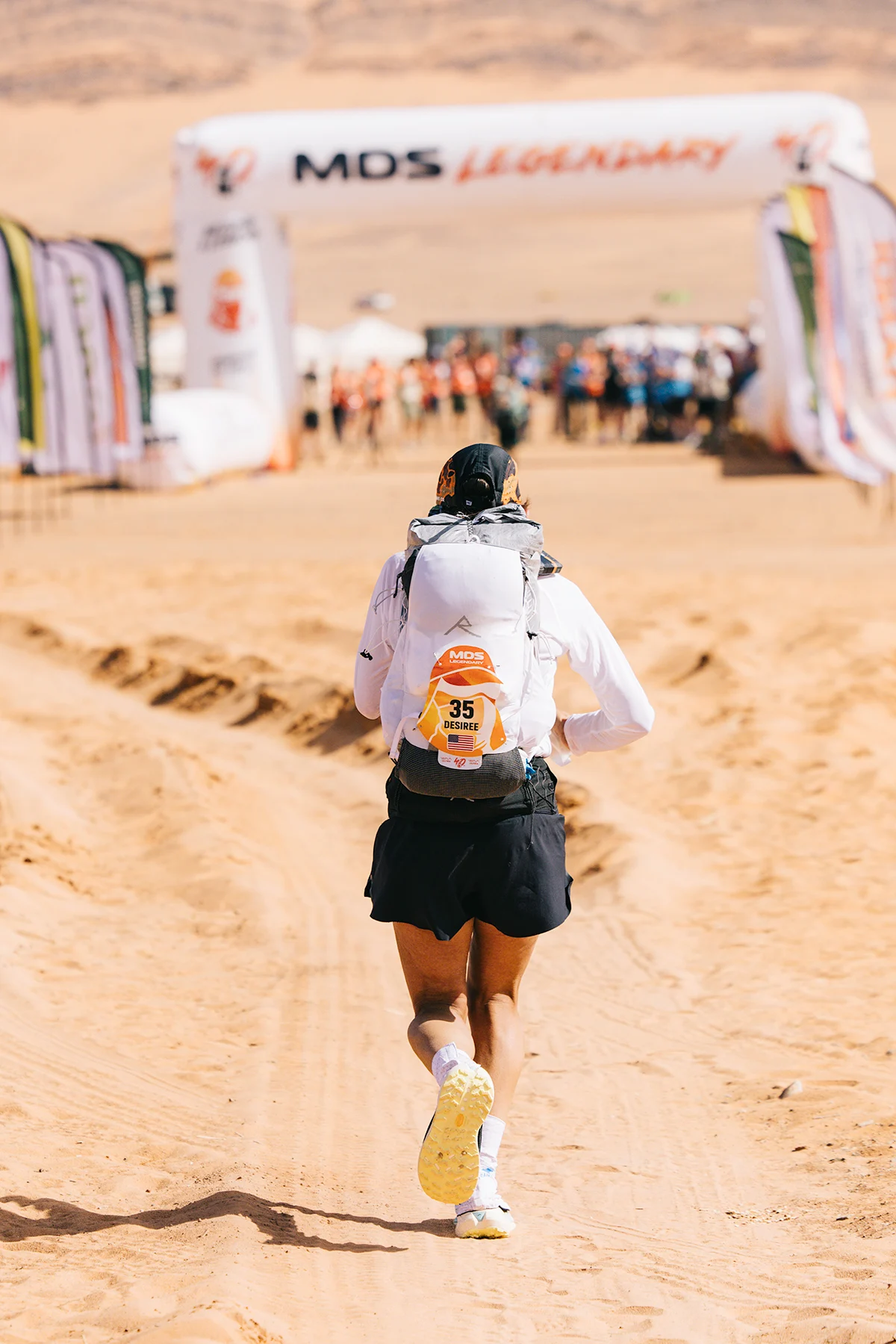
Backpacks have also shifted to mimic the minimalism and fit of running vests while maintaining enough volume for overnight adventures. When running the Marathon des Sables, a 250-kilometer journey through the Moroccan desert, Linden used a prototype 15-liter pack made by Raide. (An account of that race is featured in Field Mag Issue 02.)

andy-cochrane-marathon-des-sables-4

Photo by Andy Cochrane

berghaus-fast-hike-m15-pack-3

Courtesy Berghaus

“If that gear starts to blister in the wrong place or create hot spots, that can end your trip really easily,” said Linden. “Having the chance to make a custom bag with Raide was a huge part of my MDS success.” Linden finished 3rd overall for women; it was her first-ever race longer than 50 kilometers.

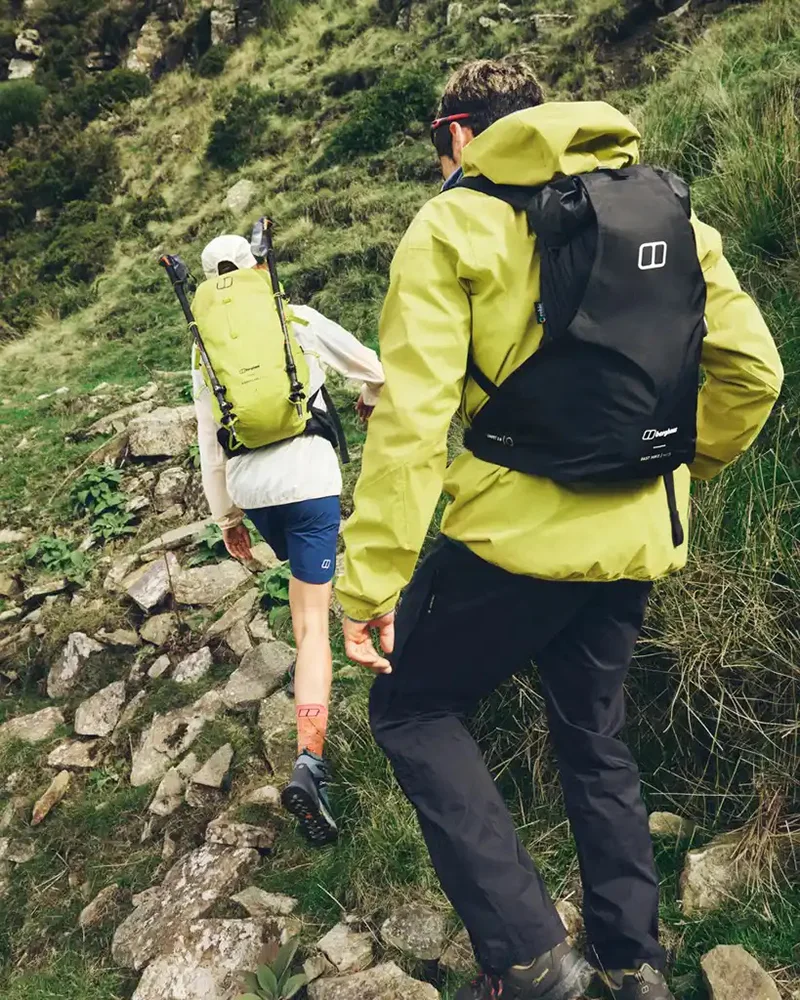
Another backpack made with a swift pace in mind is the Berghaus Fast Hike M15. Emily Tidwell, an action sports photographer who captures an extensive amount of ultra-trail marathons every summer, found the fit to be ideal.

“I love how close to my body the pack sits, with plenty of pockets on the front straps for water, my phone, and snacks,” she noted. “The space provided in the back was enough for me to pack three camera lenses (including a large telephoto) and one camera body, with room to spare for a puffy jacket and small additional snacks or supplies.”

A couple of other packs that excel on the move include the Black Diamond Distance 22 and the Pa'lante Joey. And in Spring 2027, Patagonia is releasing its Mountain Movement kit, which features a pack that's perfect for fastpacking with a no-bounce design, a vest-style harness, and an included waterproof stuff sack. The idea at the heart of the kit, which was developed with significant input from Patagonia's trail running athletes and also includes ultralight 900-fill down layers, is to provide an all-encompassing equipment platform that can support multi-day trail adventures. We tested it; it's good.

The other element that has significantly shifted multi-day trip planning is the explosion of online resources. “Everyone’s packing list is out there,” said Garmire. “We've got enough evidence that you don't need three pairs of pants to have a good time. There's so much info, whether it's Strava or Gaia or blogs.”

Weather prediction is one of those resources. “With things like mountain forecast you can see what the weather is actually going to be and pack for that rather than guess,” said Garmire. “So if I'm going fastpacking, a really easy way to eliminate a pound and a half is checking if it’s going to rain. If it's not, I'm not going to take a shelter.”

jeff-garmire-mtt-whitney-fastpack

Photo by Jeff Garmire

How Can You Get Started?

So what’s the best way to get out there on a speedy, minimalist, overnight adventure?

Finding a route that incorporates huts that provide beds and meals like those in the Alps, Japan, or New Hampshire's White Mountains is a good way to ease in. But huts book up fast, so Linden recommends planning ahead: “Reserve your space, and then figure it out. Commit to it, and then start talking to experts, reading the books, and finding the articles.”

Garmire longs for the days when teaming up with a savvy veteran was the best way to learn. “I wish the whole construct of mentorship would come back a little bit,” he said. “If you can find someone who's done what you want to do, and shoot them a message with a few simple questions, I think that can go so far versus trying to grab little bits from a hundred different people.”

He also pointed to the many online packing lists, which he said helped him set the record on his own Appalachian Trail FKT. Garmire even posted his packing list for that endeavor online as a resource for others. The Reddit community dedicated to fastpacking is another helpful resource.
As gear and apparel continue to shed ounces while gaining utility, fastpacking is likely to keep growing in popularity. The spirit of joy and open-ended nature of the sport are no doubt a large part of that growth as well.

“I think fastpacking is going to become incredibly popular because there's not any specific right way or wrong way to do it,” said Linden. “That's a really unique thing in our space, where you have all these boundaries and rules around FKTs. A fastpacking trip can match whatever your experience level and your comfort level is. You can start there, and then there's room to shape into whatever you want it to be as you go.”

For a taste of the fastpacking life, read Andy Cochrane's account of fastpacking Europe's GR20 trek.