The Hidden Cost of Colorful Gear & the Outdoor Brands Working to Change It

The Hidden Cost of Colorful Gear & the Outdoor Brands Working to Change It

Author Photographer
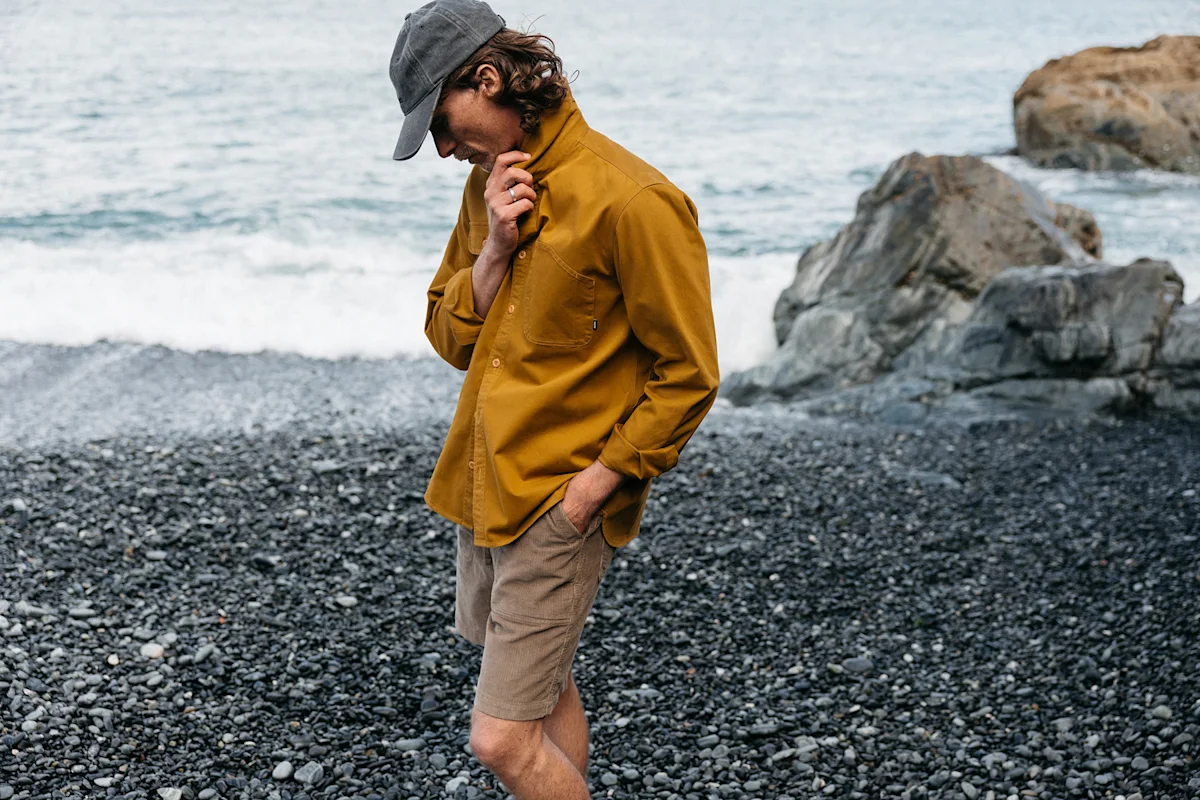
  • Courtesy Haglöfs, Topo Designs, Finisterre

Textile dyes have hefty environmental impacts, but a few outdoor brands are pursuing ways to make colorful gear more eco-friendly

Published: 09-08-2026

Updated: 09-09-2026

Field Mag may receive a minor commission from purchases made via affiliate links.

In one of the most notorious scenes in The Devil Wears Prada Meryl Streep as Miranda Priestly, the powerful editor-in-chief of a Vogue-esque fashion magazine, delivers a blistering monologue about the scale of effort that goes into one specific seasonal colorway.

“That blue represents millions of dollars and countless jobs,” says Priestley. “And it's sort of comical how you think that you've made a choice that exempts you from the fashion industry when, in fact you're wearing a sweater that was selected for you by the people in this room.”

The point is, the outdoor industry operates no differently. While perfect functionality be the drive behind outdoor design, the perfect colorway plays a part, too. The perfect burnt umber or "Grenoble green" can make all the difference,

Conscious or not, color drives sales. And textile dyes drive pollution, accounting for 17-20% of global industrial water pollution. A staggering 1.5 trillion liters of water are used each year by the apparel industry, and toxic waste from dyeing can damage soil and contribute greatly to carbon emissions.

It's a dirty reality that we outdoor enthusiasts who care so deeply about the environment unwittinlgy support industrial processes that do such damage. The overlap between the fashion industry and the gear industry has been growing in more obvious ways recently as the lines between aesthetic and technical blur, but this is something they've always had in common. Yet a few outdoor brands are now approaching color in innovative ways that might lead to more sustainable industry-wide practices.

Below we will explore these solutions, the trend of undyed gear, and examine whether it's simply greenwashing or a real effort to reduce or eliminate the hidden cost of color in the gear we rely on.
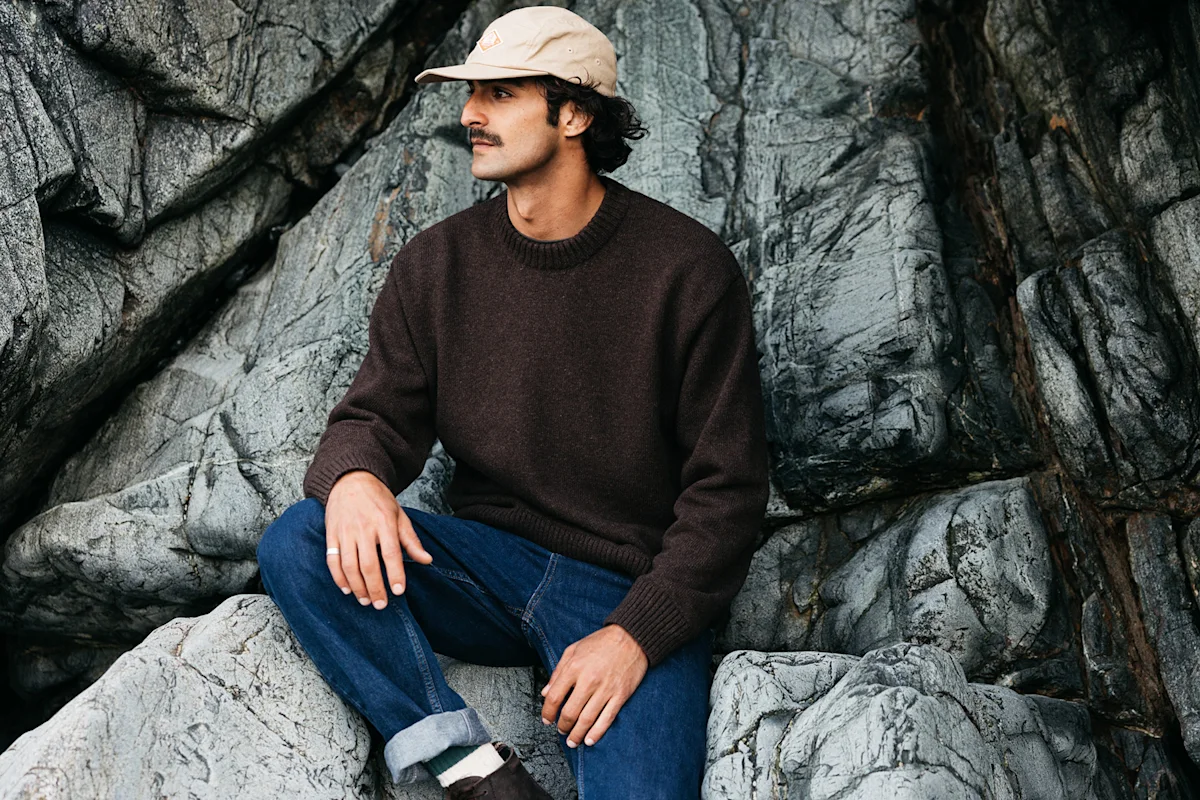

textile-dyes-feature-finisterre-brown-sweater-lifestyle

Courtesy Finisterre

Old Problem, New Solutions

Humans have been dyeing fabric for at least 30,000 years. For most of that time, we used plants, minerals, insects, and animals to attain the hues that infused the fabrics we processed. But in the mid-19th century, the first synthetic dyes were produced, and industrial dyeing began. At the time, it was revolutionary, but now we know that scaling the processes of coloring fabrics came at a high cost.

The impact of dyeing doesn’t always get its due, however, because it's such a subtle part of the manufacturing process. People focus on more obvious elements, like the fabric itself or the chemicals it contains (“PFAS free!”). Yet as Ramesh Kesh, who runs business operations at the performance fabrics company Polartec (he is the senior vice president of Milliken & Company, which owns the brand), explained to Field Mag, dyeing is one of the most resource-intensive stages of the textile manufacturing process.

Take the color black, for example. Consumers might mistakenly believe that Polartec has one shade of black for all the black products it makes. In fact, brands request custom shades that they feel match their brand identity, and Polartec works with hundreds of brands. “Each one requires its own dye recipe, production setup, minimum order quantity, inventory, and quality validation. Every custom black adds another layer of complexity throughout the supply chain,” said Kesh.

The result is that Polartec develops hundreds of proprietary shades of black that are virtually indistinguishable to most consumers. Extrapolate that across the rainbow of colorways available and the scope of the problem quickly becomes apparent.

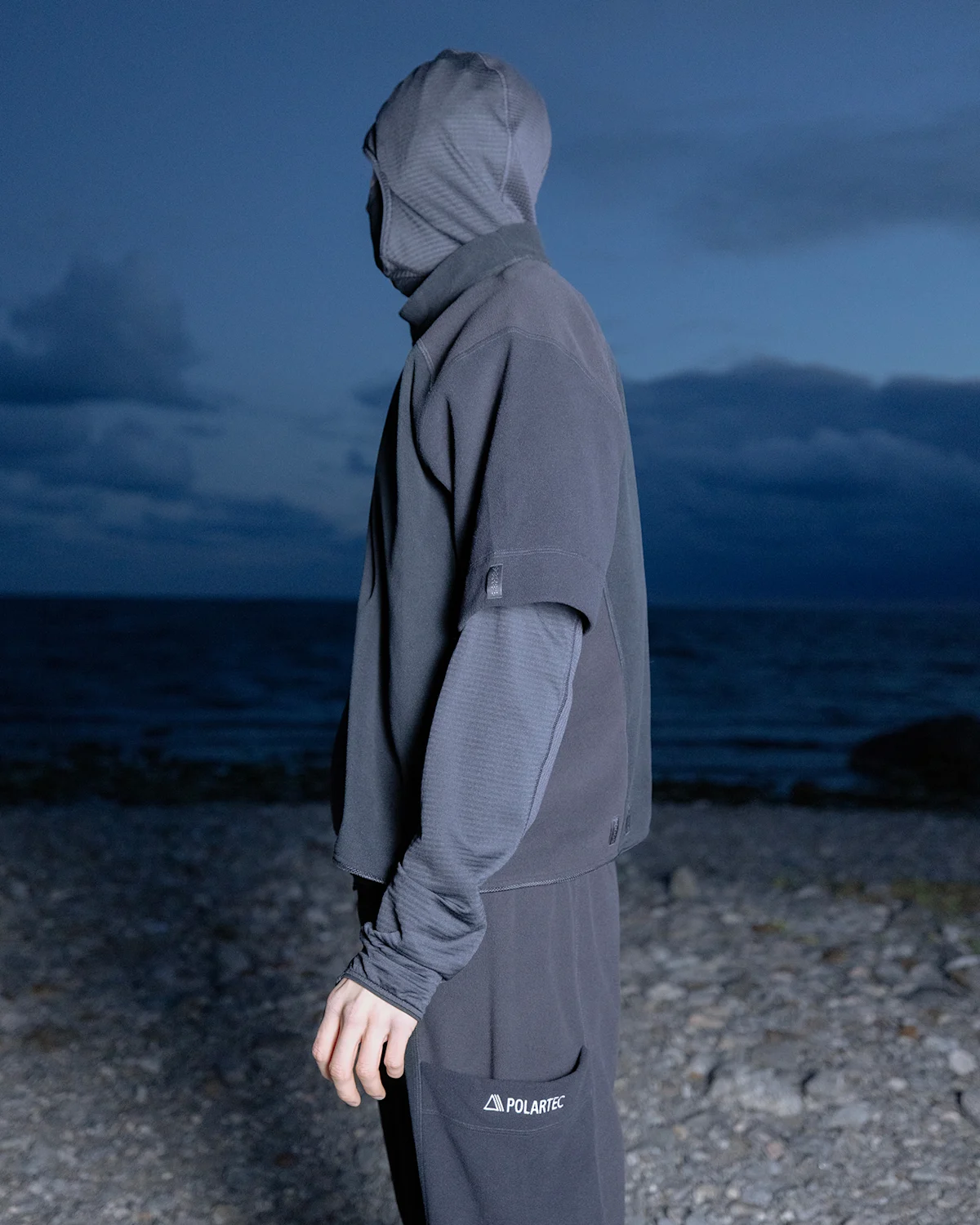
In March, to simplify the unnecessary complexity of coloring products, Polartec partnered with Swedish outdoor brand Haglöfs to introduce Standard Issue Black. The idea was to create a non-proprietary version of the color that could be used by all brands.

textile-dyes-feature-haglofs-polartec-standard-black-design

Courtesy Haglöfs

“The biggest sustainability benefit isn't simply using a different dye technology—it's avoiding unnecessary manufacturing complexity altogether,” said Kesh. “Standard Issue Black improves manufacturing efficiency, reduces development complexity, simplifies inventory management, and helps accelerate speed to market.”

Of course, providing standard-issue colors still necessitates using textile dyes, so it’s not an approach that fixes the underlying problem. But if it were widely adopted, the overall environmental impact of creating colorful gear would be drastically reduced. But that means brands have to opt in.

“If a single brand adopts a standardized black, the benefits are meaningful. But if many brands begin sharing the same standard, the efficiencies multiply throughout the manufacturing ecosystem,” said Kesh.

Haglöfs' first Standard Issue products are on sale as of September 2026, starting with the Buteo Jacket. Whether Standard Issue becomes a standard approach remains to be seen.

textile-dyes-feature-haglofs-polartec-standard-black-lifestyle-2

Courtesy Haglöfs

textile-dyes-feature-haglofs-polartec-standard-black-lifestyle-1

Courtesy Haglöfs

Au Naturale

Another increasingly popular approach to confronting the dyeing issue is to not use any dye at all. With consumer tastes evolving, brands are increasingly willing to offer products in undyed form, letting their natural color, or lack thereof, stand out. It helps that muted, earthy tones are very much in style right now. As the trend of transparent outdoor gear continues to gain traction.

There's no shortage of examples: Mountain Hardwear has a line of undyed packs, Patagonia and The North Face offer several products in a raw or natural colorway, and Merrell and On have experimented with undyed hiking shoes.

A kind of value inversion is at work here. Whereas once upon a time the unique look of undyed products might signify that one couldn’t afford the brightest and the best, in an era of mass production, natural colorways and the unique imperfections they come with are increasingly coveted as one-of-a-kind.

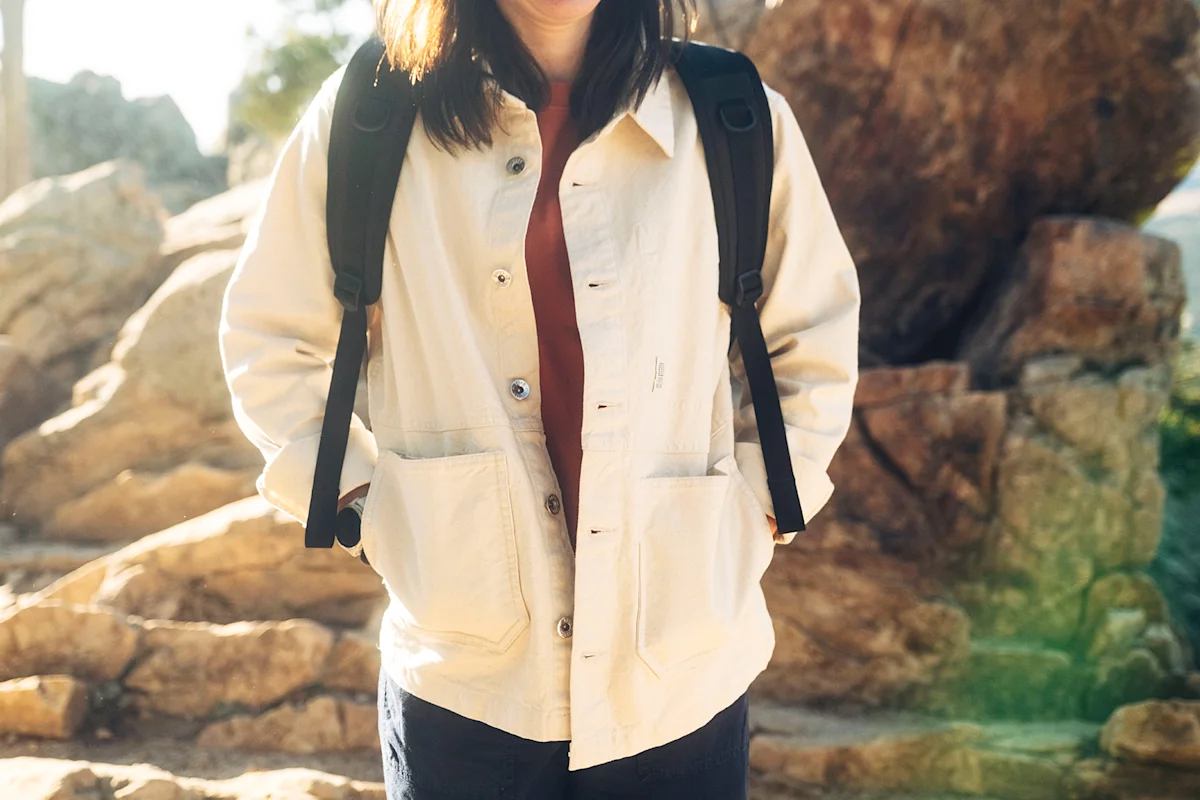
textile-dyes-feature-white-undyed-shirt-lifestyle

Courtesy Topo Designs

“There's such a natural warmth and imperfection to the fabric itself,” said Topo Designs VP of Product, Christy Bailey, when I asked her about the undyed versions of the brand’s canvas utility jacket and pants. “No two pieces are alike, because it's the material in its rawest form. It’s truly a blank canvas. Artists can tie-dye it; they can paint on it. You can really make it your own.”

The move was an interesting one for a brand that hangs its hat on distinctive and bold colors. But Topo Designs also prides itself on a commitment to sustainability, so exploring ways to iterate on their production process was an important step.

“If you look at the world's worst industries of environmental concern, it's shipping, and then apparel manufacturing,” said Bailey. Offering undyed products allows brands to consume less energy and waste less water. The question is, will undyed products retain their appeal or is this a passing trend? And how much impact is reduced when one or two items pass on dye in a catalog of hundreds?

Bailey said that Topo Designs has plans to expand its lineup of undyed apparel and gear. She takes hope in the fact that much of this push comes from customers. “The goal wasn’t to be trendy. It was really to answer the demand from our consumers. I think we’re going to continue to see undyed apparel pop up for years."

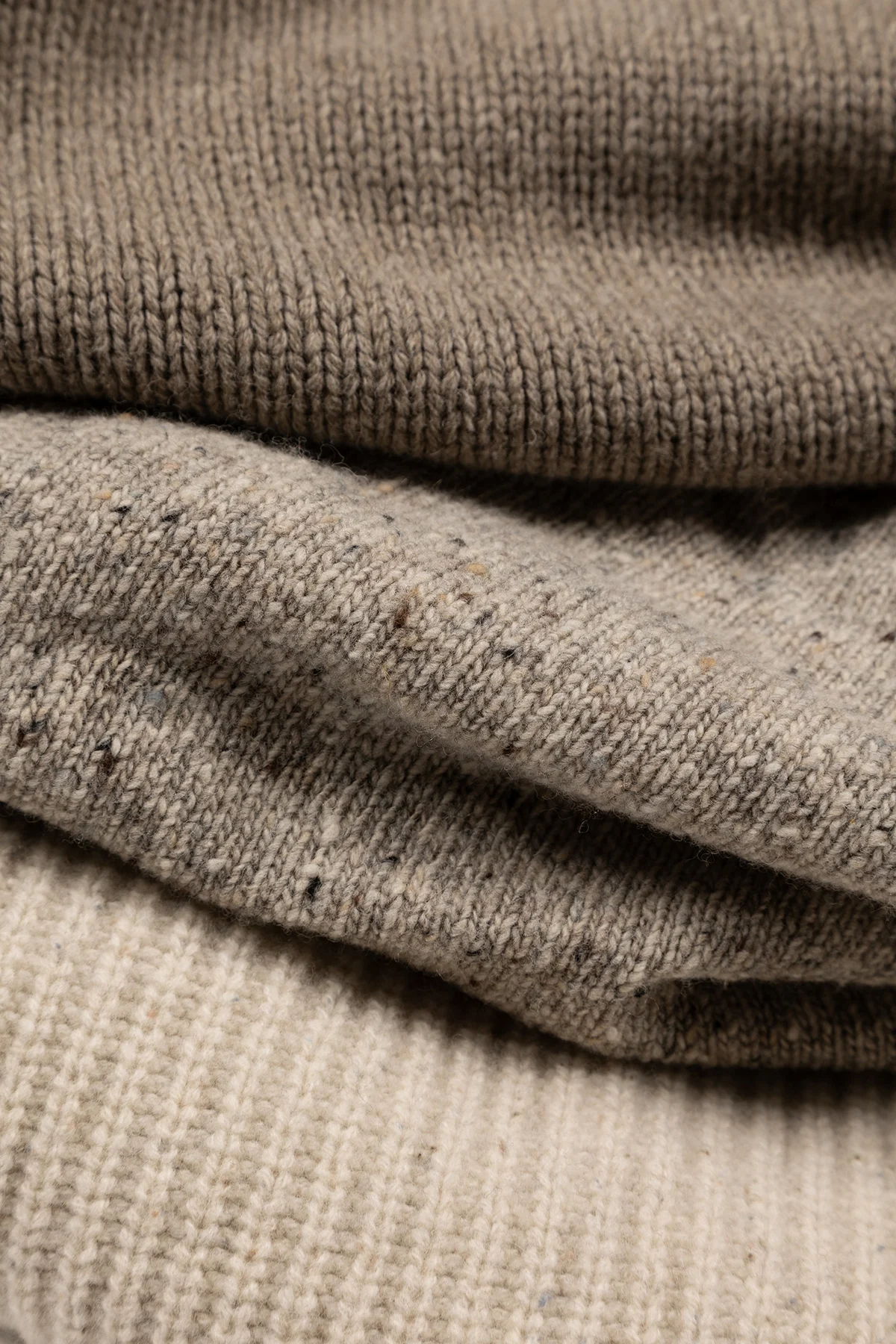
textile-dyes-feature-wool-sweaters-natural-closeup

Courtesy Finisterre

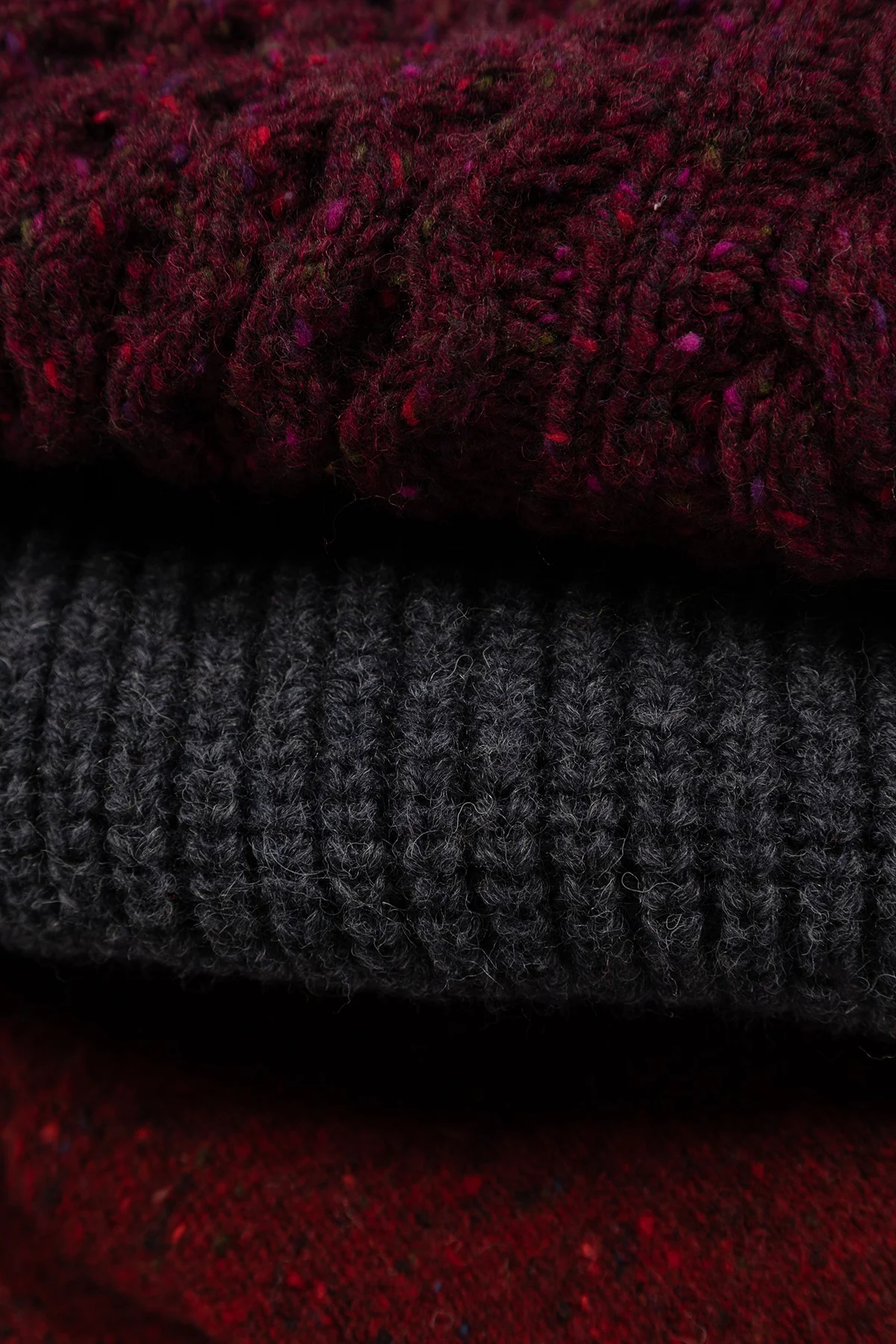
textile-dyes-feature-wool-sweaters-dyed-closeup

Courtesy Finisterre

Dyeing Thoughtfully

There is a middle ground between standardizing colors and not using them at all, but it requires shifting our expectations. If the subtle sunset purple color of those pricey running shorts starts to fade, many would assume they're deteriorating and replace them. We've been conditioned to expect apparel to maintain the brightness of its hue through years of use, without realizing that this ability comes from a particularly toxic part of the production process.

“The darker and more vibrant the color, the more dye is generally required to achieve the intensity,” explained Abbie Spence, the head of technical and compliance at Finisterre. “That can increase both the environmental impact and the challenge of maintaining color stability.”

The stability of colorways is called “colorfastness," referring to the measure of a fabric’s ability to resist fading. Bright, unnatural colors are produced via synthetic dyes. Preventing "Grenoble green" or "moon blue" apparel from bleeding requires treating the fabric with chemicals like formaldehyde or heavy metals. You might not think your favorite eco-conscious brand is contributing to toxic waterways and putting harsh chemicals in close proximity to your skin, but that's because the practice is so ubiquitous it's normalized. If a brand made apparel that routinely faded or bled, consumers would deem those products low-quality and look elsewhere.

textile-dyes-feature-finisterre-yellow-shirt-beach-lifestyle

Courtesy Finisterre

Finisterre is hoping this perspective can shift. The company has partnered with the Arts University Plymouth to map and audit dye use across its own supply chain. Its designers also lean towards earthy tones that come from dyes free from toxic chemicals. A few years ago, Patagonia used natural dyes in its Clean Color Collection that were primarily derived from food waste, dried beetles, and silkworm poop. Natural dyes often come from renewable sources, are biodegradable, and non-toxic.

“Perhaps the conversation needs to evolve,” said Spence. “If we're moving away from harsher chemistries in favor of safer, lower-impact dye processes, it may mean accepting that colors develop character over time. We already celebrate this in so many products. A sun-faded cap that's travelled with you every summer or a perfectly worn-in sweatshirt often becomes your favourite because of the memories and patina it develops. That vintage, lived-in appearance tells a story rather than representing a flaw.”

A few brands rethinking their approach to fabric color certainly won’t solve the problem of industrial water pollution and excessive energy usage. But the increasing willingness to evolve creatively, with consideration for more efficient and less wasteful production methods, is a step in the right direction. If you're intent on reducing your impact, consider seeking out the undyed, standardized, or naturally dyed colorways out there. It'll help reinforce the notion that there's a better way.

Ditching harmful dyes isn't the only way outdoor gear brands are embracing sustainability; check out our deep dive on the deadstock movement.