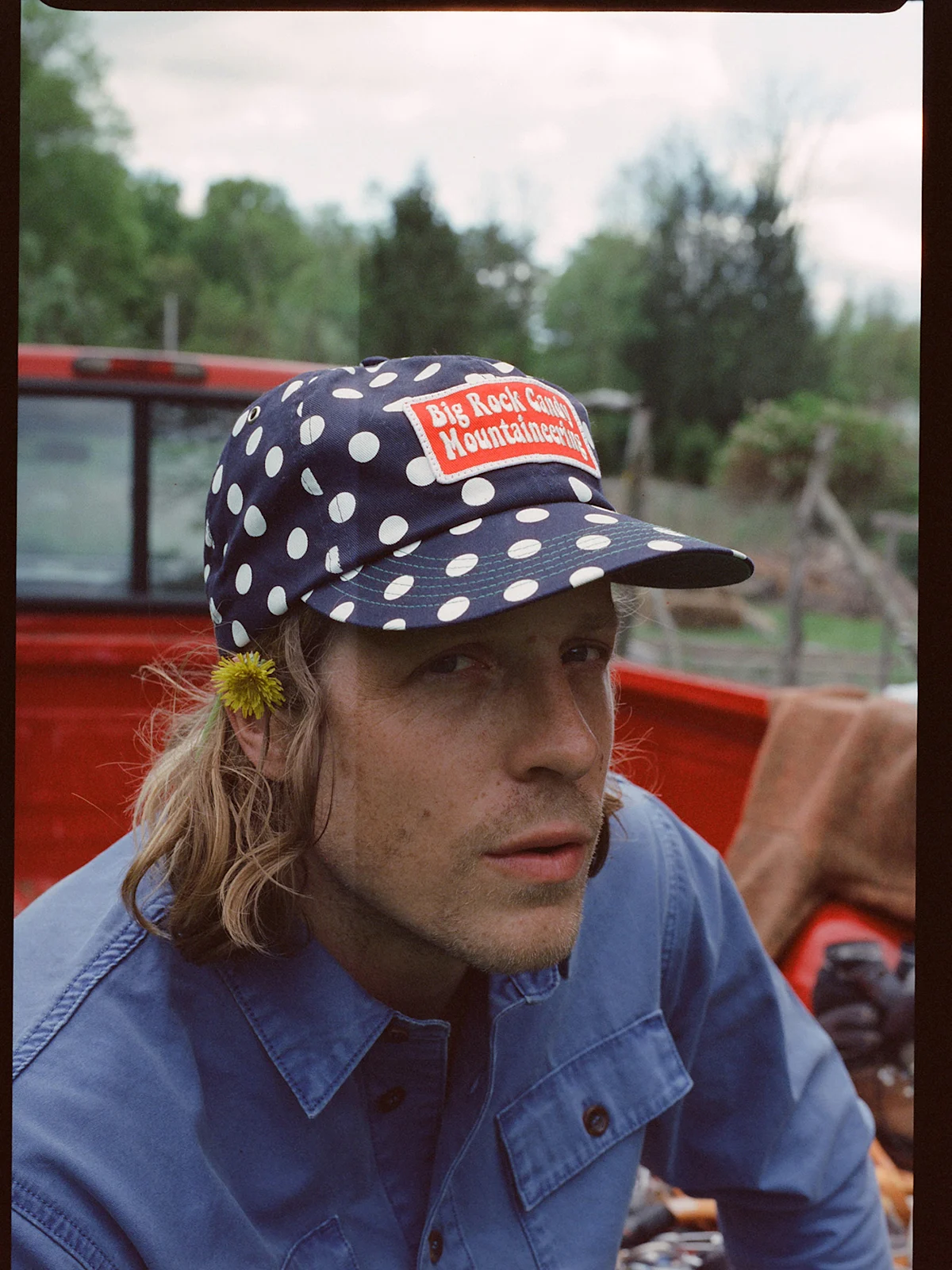
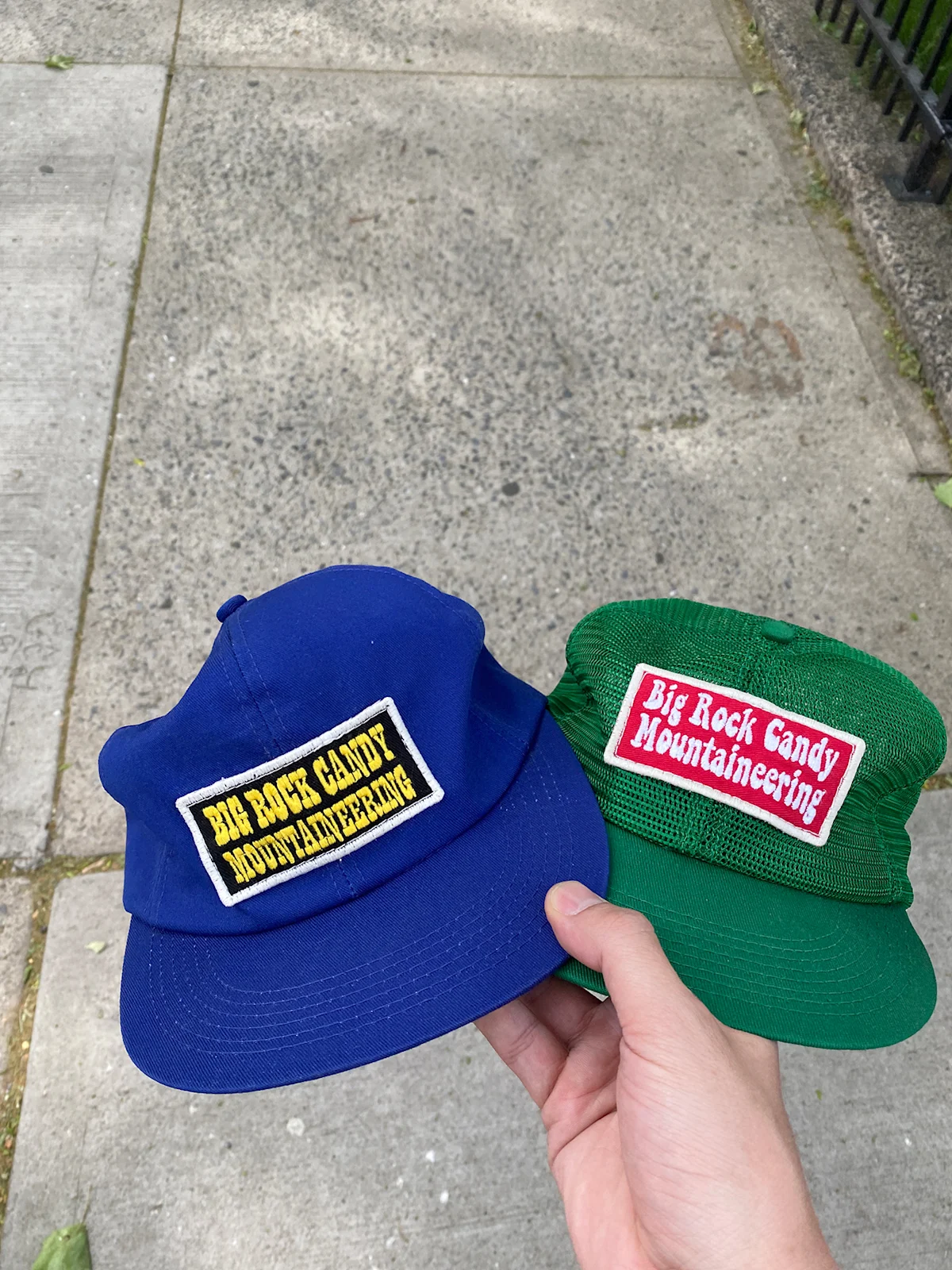
Outdoor apparel brand Big Rock Candy Mountaineering launched in 2024 after a conversation between Wythe founder Peter Middleton and industry veteran Samuel Hardeman. The two met through a mutual friend who knew they shared an obsession with similar esoteric pursuits, like tracking down a vintage Eddie Bauer Karakoram jacket. "That was really it," Hardeman says. "We both knew how to make clothing well, and we both wanted an EB Karakoram that would fit and not cost $1,000."
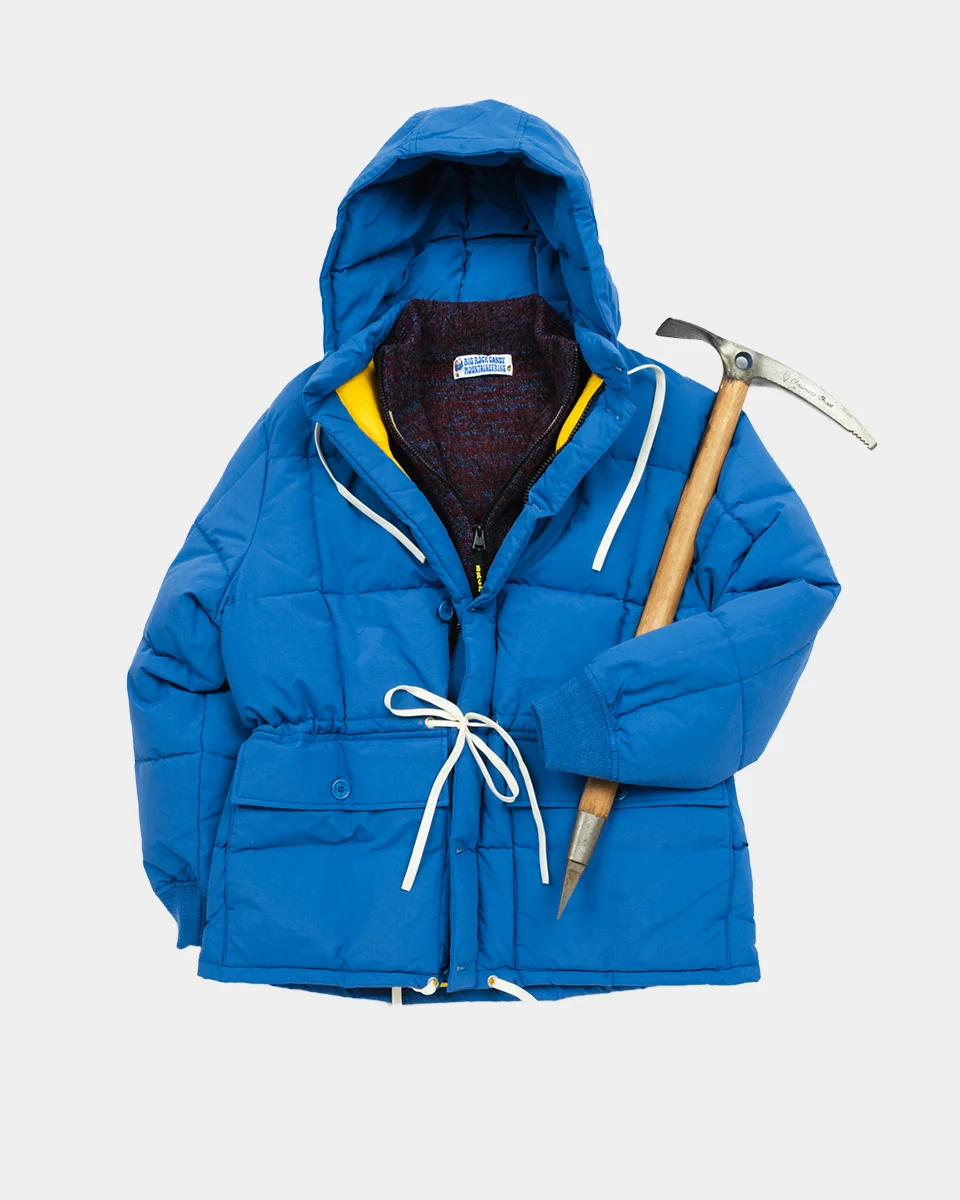
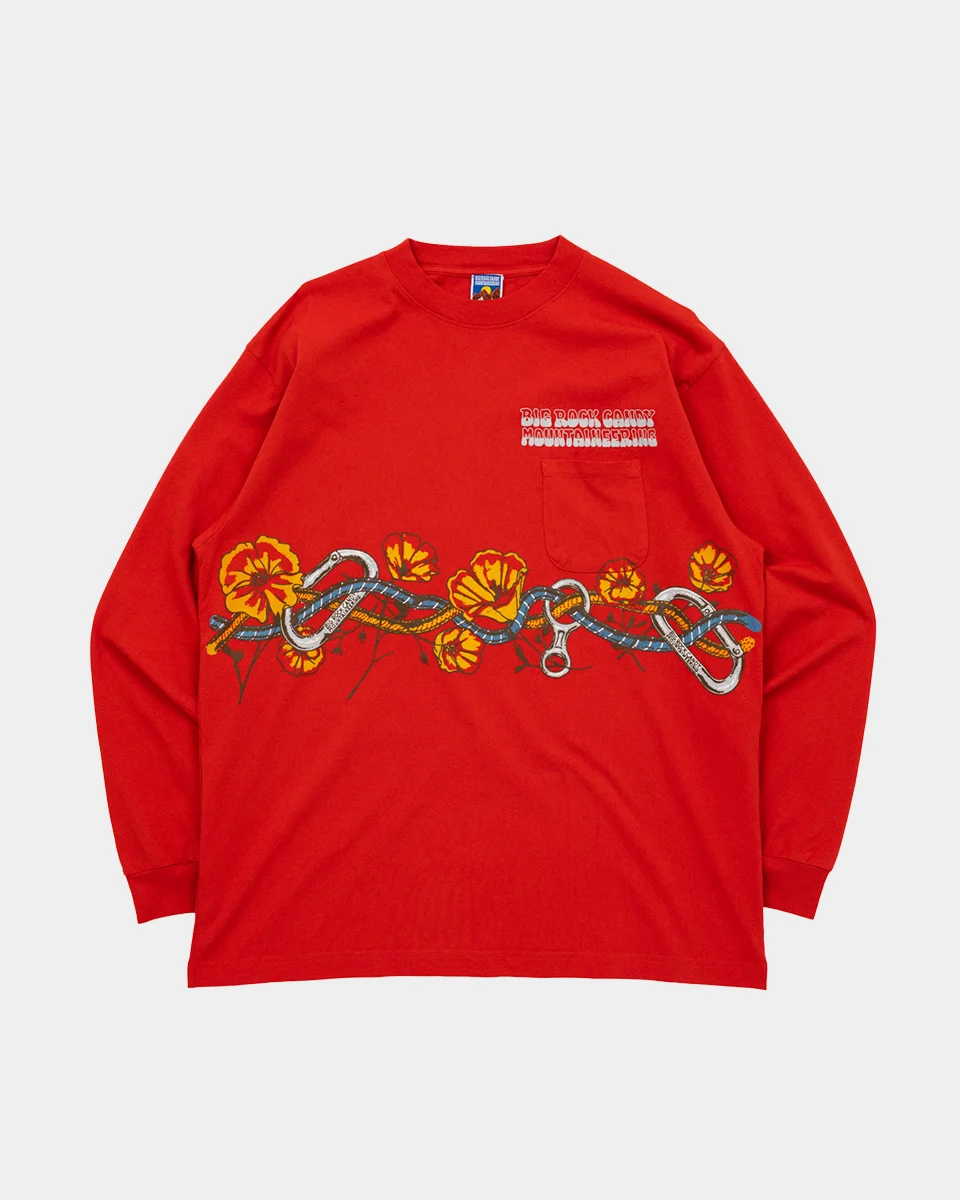
At first glance, it's clear Big Rock Candy Mountaineering looks to the 20th century for inspiration. Its Arctic Parka references a '60s Eddie Bauer puffer, while the Doubleback Shorts nod to '70s Patagonia. Elsewhere, acid-trip-inspired graphic tees add an eclectic counterpoint. Beyond old-school products, iconic cultural figures also helped shape the brand's identity; one can sense Bob Dylan's aura drifting in to meet members of the Stonemasters.
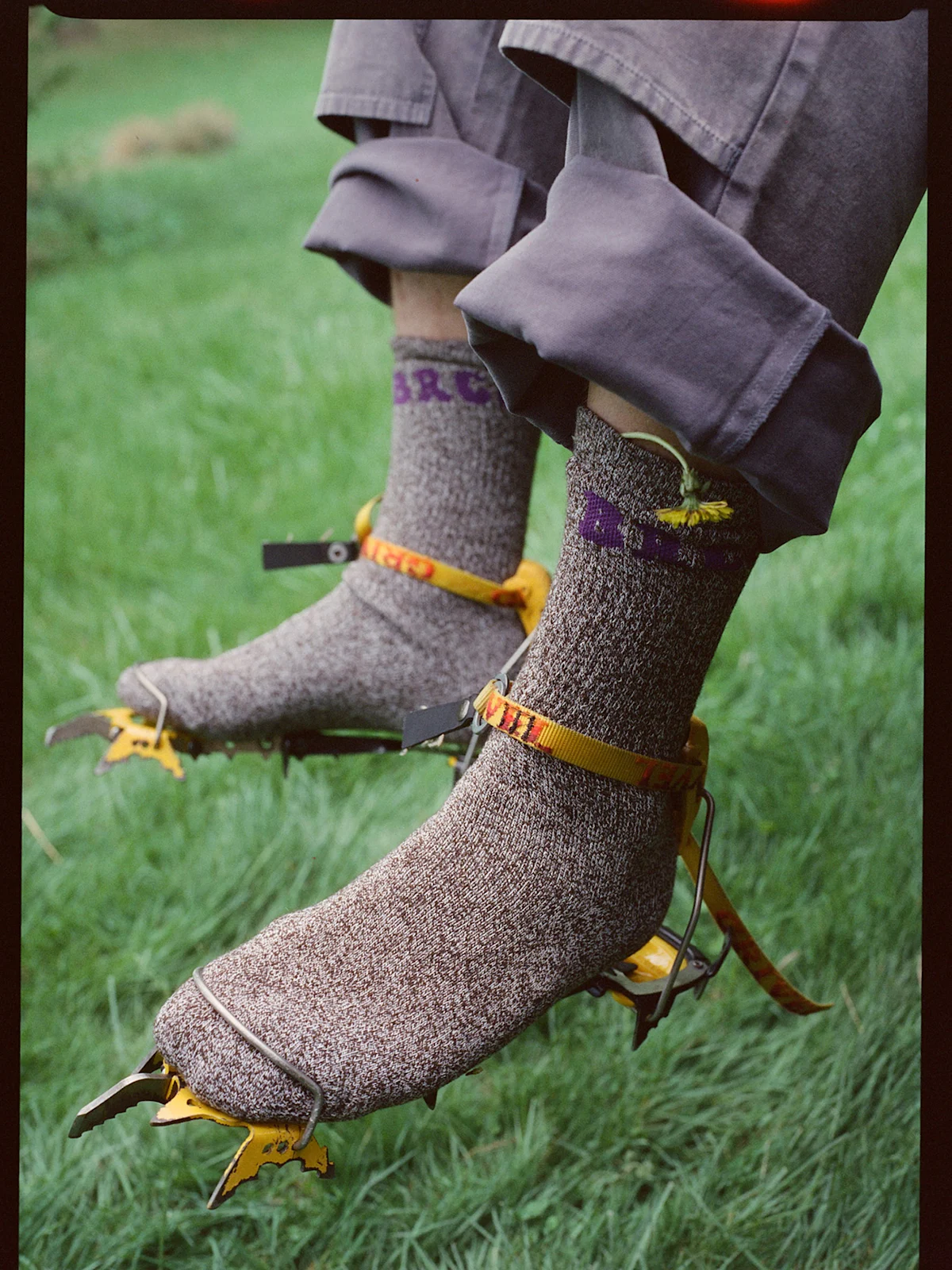
Two years into building the brand, Hardeman has grown BRCM into a full-fledged label, offering playful knitwear, scrape-ready climbing pants, and some of the most recognizable footwear in the outdoor-inspired menswear space. The brand has secured its anchor where interest in fashion, vintage collecting, and the outdoors all meet.
I recently caught up with Hardeman to talk about his time at Knickerbocker and Rowing Blazers, how vintage band posters influence BRCM's graphics, his dream climbing destination, and what getting outdoors looks like for him these days.
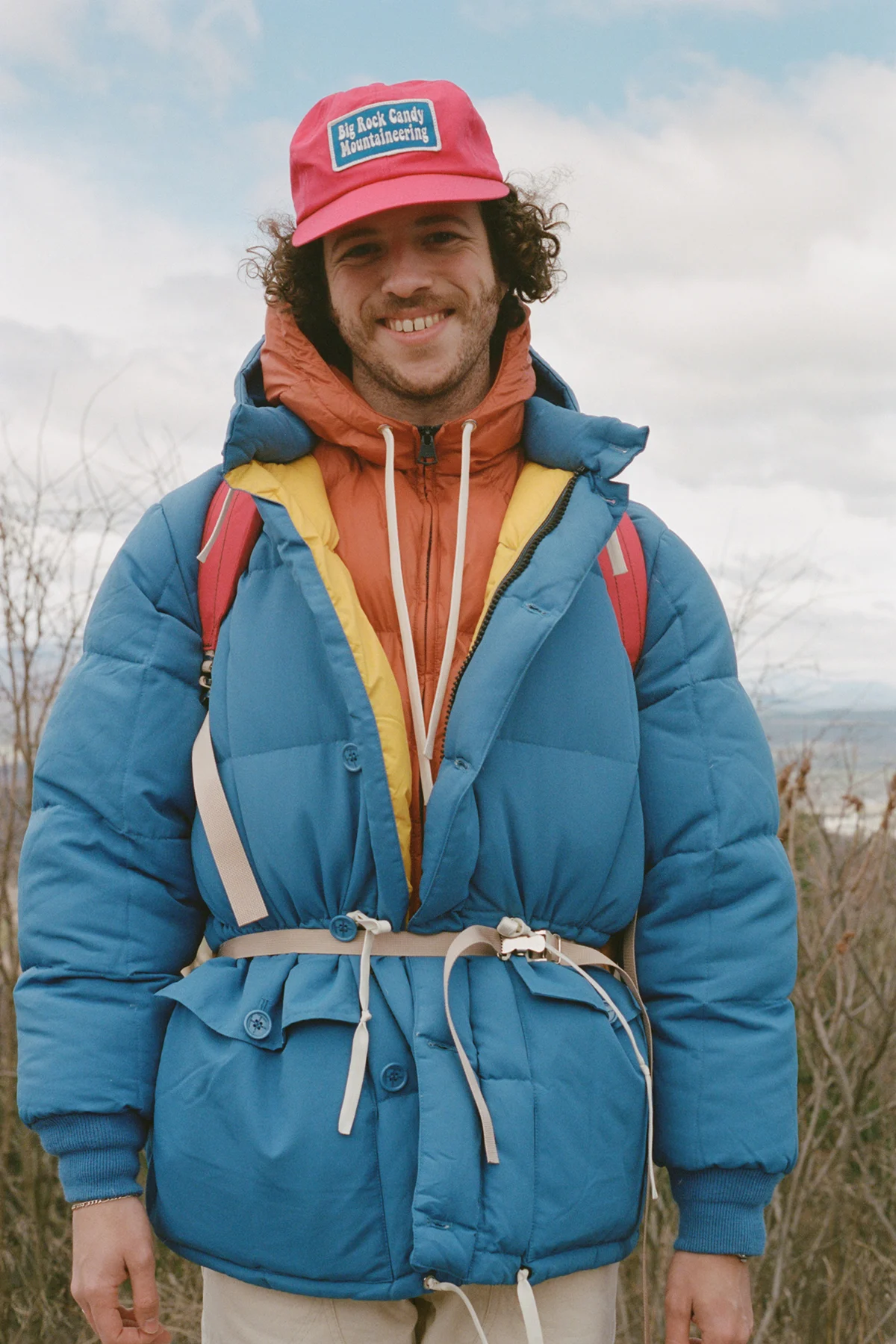
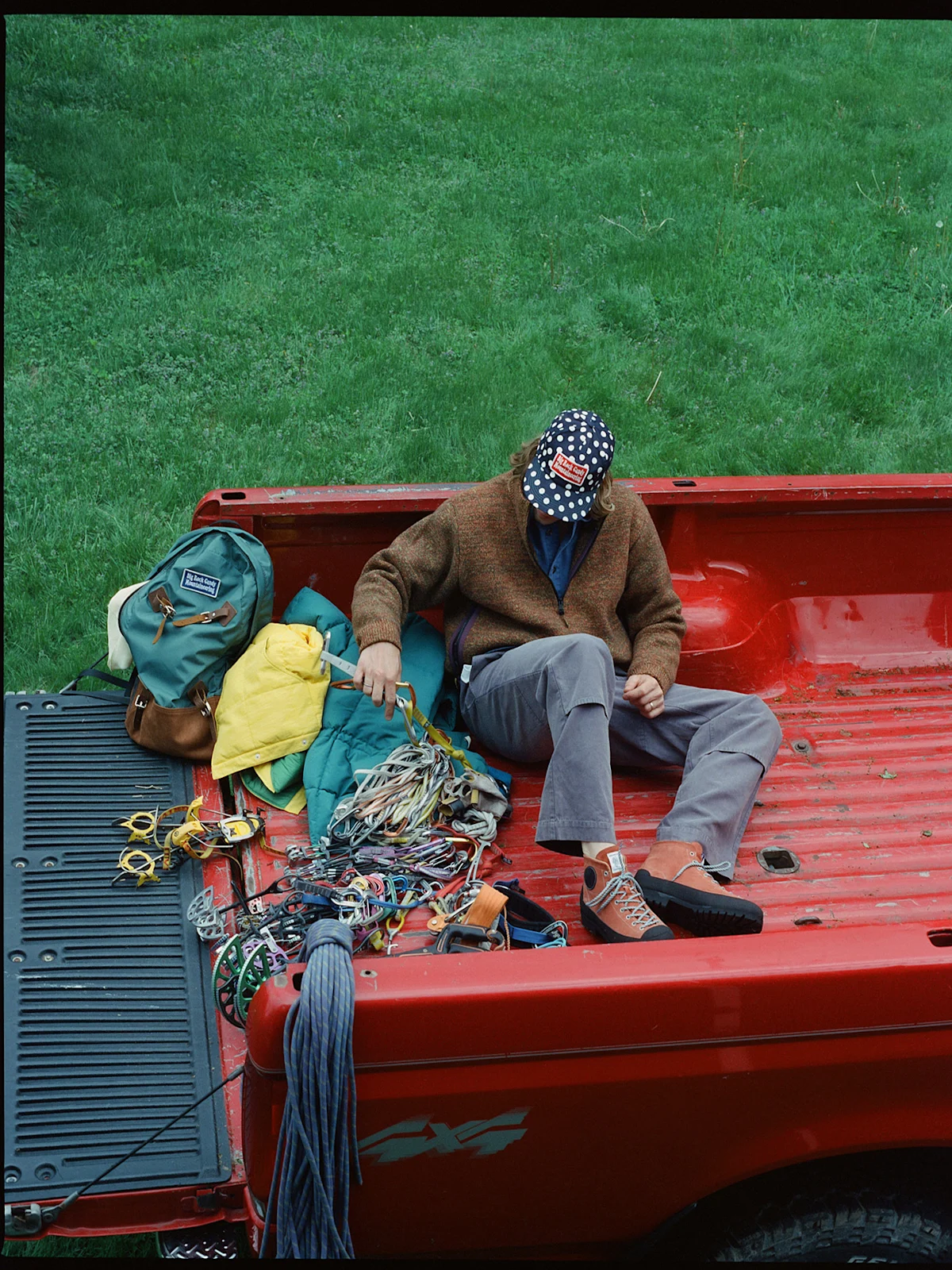
Michael Larossa wears Big Rock Candy Mountaineering | Photo by Austin Withers courtesy Big Rock Candy Mountaineering
Before starting Big Rock Candy Mountaineering in 2024, what did you and Peter Middleton feel was missing from the outdoor market that you wanted to create yourself?
Peter was just about to launch the first Wythe Oxford shirt when we first met. We were introduced by mutual friends who told us, "You two are obsessed with the same things, and both want to start brands—you should be friends."
The idea of BRCM came later from a conversation about us both wanting an EB Karakoram. Ones in nice shape, more often than not, sell for $1,000 or more. The other issue we run into a lot with vintage is the fit; the sleeve length is always way too short for me. While that jacket could work for Wythe, the more we thought and read about the origins of the outdoor industry, the more we realized it could be its own thing.
What did your time at Rowing Blazers and Knickerbocker teach you, and when did you realize it was time to start your own brand?
I've known that's what I've wanted to do since high school—back then, I was screen-printing T-shirts and sewing in labels myself. I was always creative but knew nothing about running a business. I went to school in New York (shout-out St. John's) and interned at Knickerbocker while I was in school, and Rowing Blazers was my first full-time job out of college.
Knickerbocker exposed me to production and product development. At the time, they still had a factory in Brooklyn, so it was eye-opening to witness how many steps it takes to bring an item to life. I spent a lot of time sewing there before and after office hours. I really fell in love with the process of clothing manufacturing because of it.
Rowing Blazers was like getting an MBA. It grew so fast, and we accomplished so much in a short amount of time. I was exposed to working internationally, learned how a product and brand can tell a story, and had the opportunity to work on a wide range of products. Whether through our own line or collaborations, I got to design, develop, and produce a ton of different items, which was such a great experience.
I'd say once I was confident I could make anything, I knew I was ready to try something on my own. The timing coincided with the idea of a vintage American outdoor brand.