Arc’teryx Launches Circular Design Platform System 0 with Sperro SV Shell

Arc’teryx Launches Circular Design Platform System 0 with Sperro SV Shell

Author
The British Columbia-based brand adds a new mountain-grade hardshell to the line, optimized for end-of-life disassembly and component recycling

Published: 08-26-2026

Field Mag may receive a minor commission from purchases made via affiliate links.

Building upon the product knowledge gained through its ReBIRD recycling and repair program launched in 2021, Arc’teryx is taking another step in improving its sustainable efforts by launching System 0. The new design platform is founded on circularity, meaning it considers the entirety of the product lifecycle while upholding the brand’s high-performance product standards. Arriving 4 September 2026, the Sperro SV is the first product developed through System 0, and it's engineered for easy repair and, at the end of its lifespan, disassembly and recycling of core components.

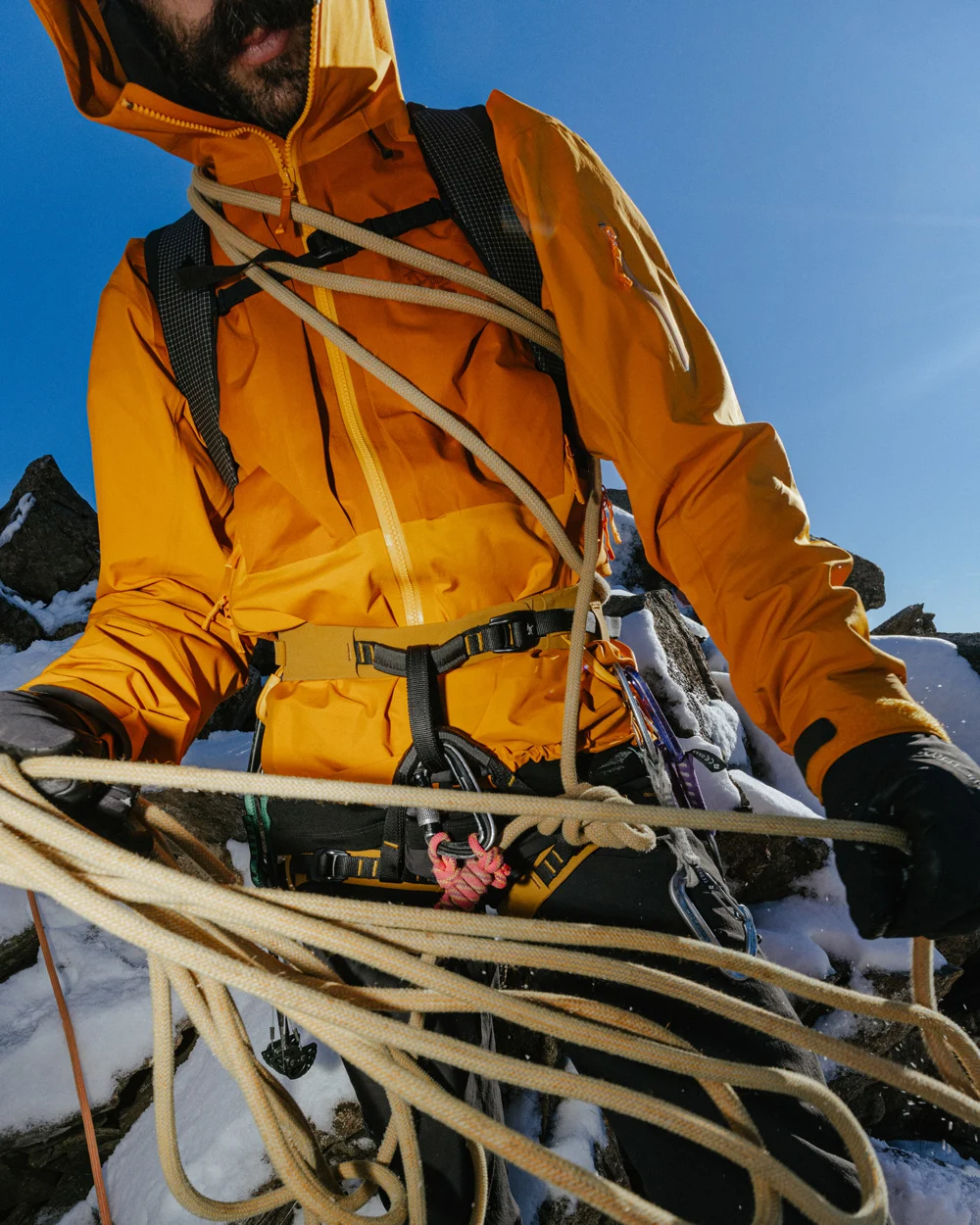
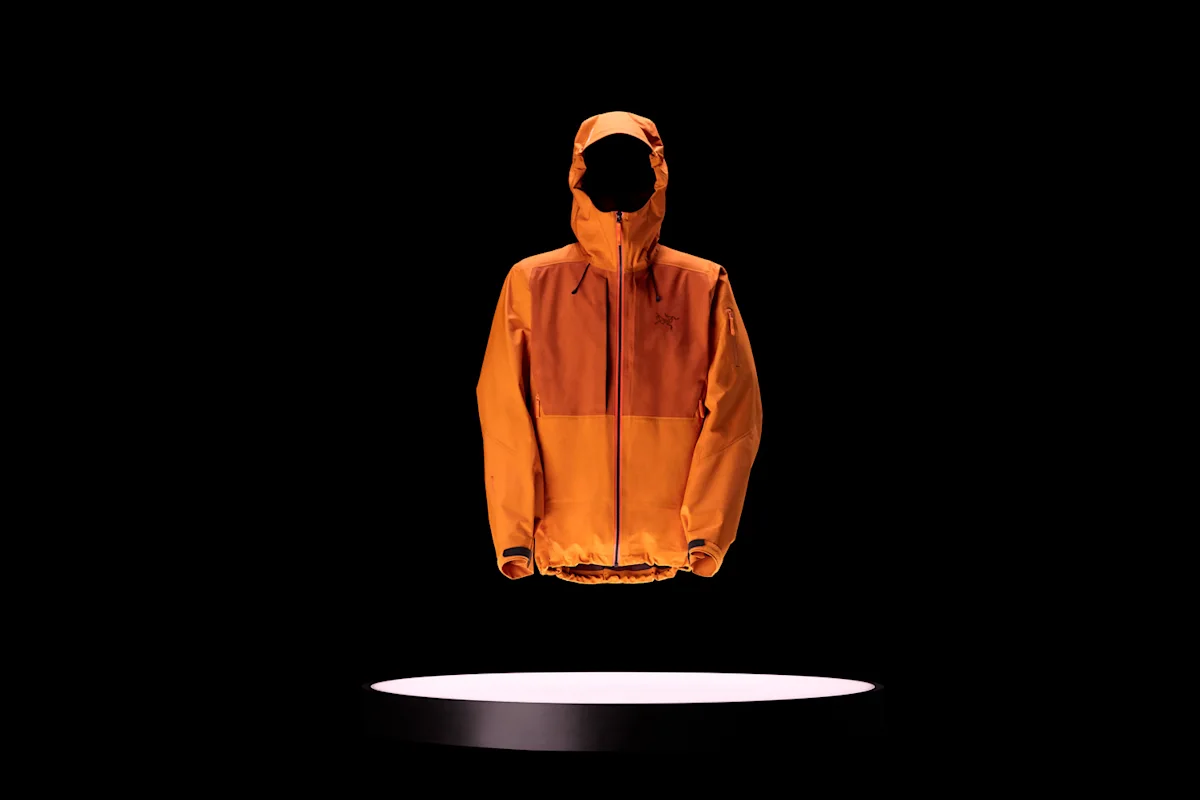
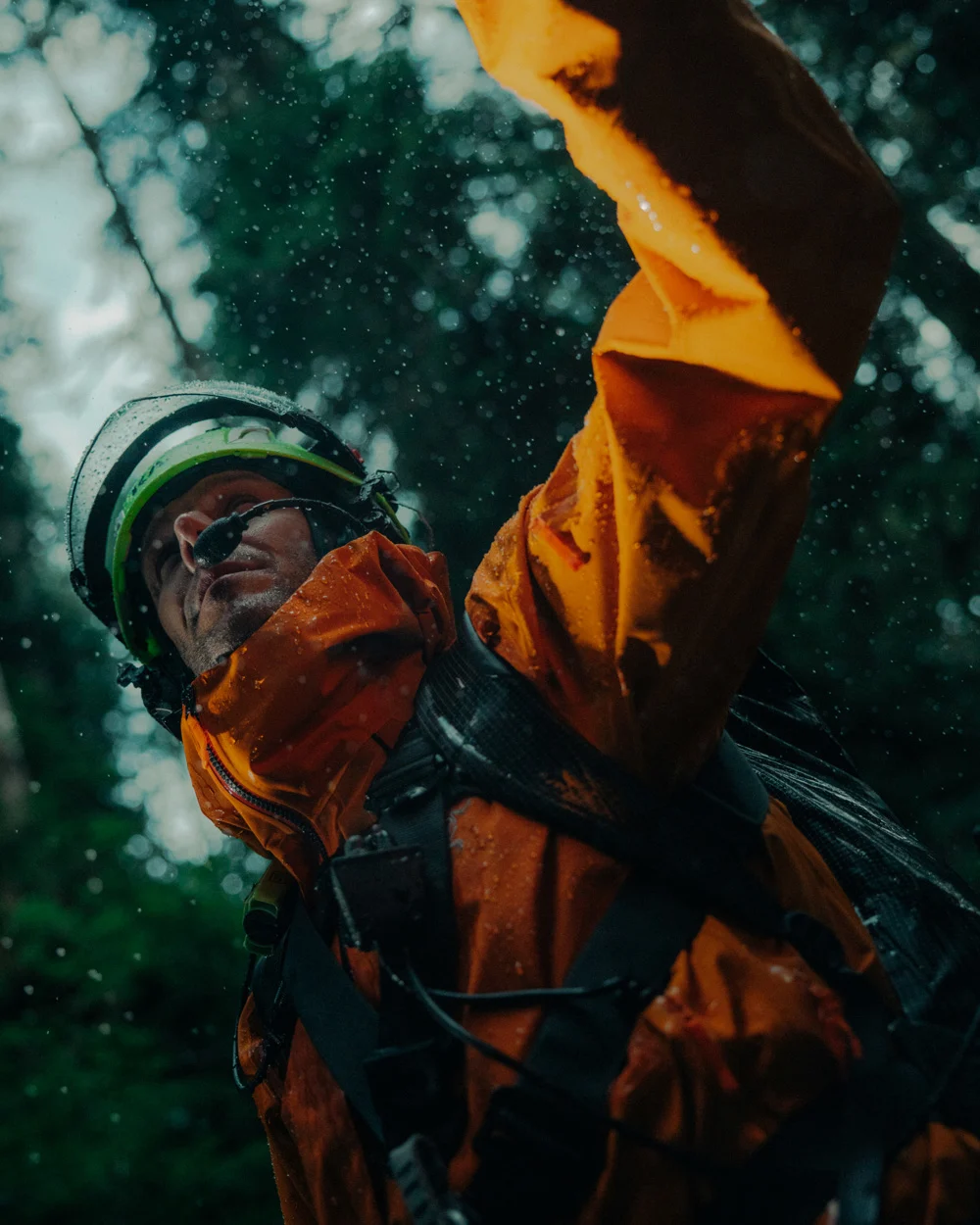
Bearing the SV tag in its product name (shorthand for severe), the Sperro SV joins the Alpha SV and Beta SV as Arc’teryx’s toughest hardshell jacket models, designed for the extreme mountain conditions one might face on mixed alpine routes and whiteout approaches to proud backcountry descents. Patterned in a cut biased for a wide range of motion, the Sperro SV is a multisport shell suitable for hiking (when heavy protection is needed) and at home in harsh weather encountered while skiing, snowboarding, and alpine climbing. Testing the new jacket involved Arc’teryx’s deep roster of alpine professionals, along with search and rescue teams from Vancouver’s North Shore Rescue.
arcteryx-sperro-sv-blaze

Arc'teryx Sperro SV | Courtesy Arc'teryx

Working directly with the forefathers of breathable, waterproof membranes, Arc’teryx and GORE-TEX developed a proprietary three-layer laminate made with recycled nylon yarn sourced from Aquafil–a pioneering company in circular textiles headquartered in Italy. These partnerships were crucial to engineering the Sperro SV’s end-of-life process: the shell fabric was built ground-up so that the GORE-TEX membrane stayed separate from the nylon. After, that material returns to Aquafil to be processed into new yarns to start the cycle all over again.

Well before all of that happens, the jacket owner is entitled to three years of repairs through Arc’s ReBIRD program. Only after repair staff determines that a jacket is no longer repairable does it meet its fate with the ol' gorp grinder. ReBIRD’s hand in the Sperro SV goes well beyond repairing the jacket; through repairing outerwear across the brand’s product line, Arc’teryx designers studied common failure points and applied reinforcement where it was lacking. Even the zipper was replaced with a more servicable design, making its debut on the Sperro SV. Rather than spending 65 minutes to replace an entire zipper, a modular design allows ReBIRD staff to spend just 10 minutes replacing up to three broken zipper teeth.

arcteryx-sperro-sv-rescue

North Shore Rescue testing the Arc'teryx Sperro SV | Courtesy Arc'teryx

arcteryx-sperro-sv-climb

Courtesy Arc'teryx

Arc’teryx product designers chose a hardshell as the first product for System 0 due to the complexity they present–welded seams, multi-layer fabrics, and extreme durability designed to hold up against brutal alpine environments.

"If we could prove circularity was possible at that level of complexity and performance, without compromise, it opens the door for everything else," Arc'teryx's Advanced Concepts Team told Field Mag. To shore up that conviction, Arc'teryx also helped create the TESTEX Circularity label, which provides a standard of circularity against which other products can be held against.

A timeline for future System 0 products hasn't been announced, but we're hopeful for more lower-pricepoint items to join the Sperro SV in seasons to come; a fleece midlayer, or even some down insulation would be welcome additions. While many outdoor brands already have repair, resell, and upcycling programs, it’s encouraging to see a major player take the initiative to instill circular product design into some of its most popular, high-performance products. The more ways there are to support repairable, long-lasting, and recyclable gear efforts that keep the landfills from growing, the better.

Arc'teryx isn't the only brand reducing their footprint; we're cataloging more than a dozen resell, repair, and upcycling programs operated by outdoor brands.