Lessons From a First-Time Sea Kayaker's Trip on the Maine Island Trail

Lessons From a First-Time Sea Kayaker's Trip on the Maine Island Trail

Author Photographer
  • Leah Balagopal

When our city-dwelling, rock climbing correspondent planned an impromptu camping trip by boat, she learned core paddling lessons the hard way

Published: 10-28-2026

I’ve been a rock climber for so long that I sometimes forget other sports exist. Living in Brooklyn, my time outside feels limited, and most days off turn into climbing trips. It always feels like an adventure, and probably looks like one on social media, but it’s also terrain I know well. I push myself physically, but I’m rarely outside my comfort zone.

Then, this past summer, I went on a spontaneous kayaking trip in Maine. I couldn’t tell you exactly what prompted it, whether it was an article I’d read years ago about Vacationland, a vague memory of Instagram posts involving kayaks and a heroic tale of near-death, or a friend visiting from London whose love of Stephen King made him a Maine enthusiast despite never having been. Somewhere in there, a trip took shape.

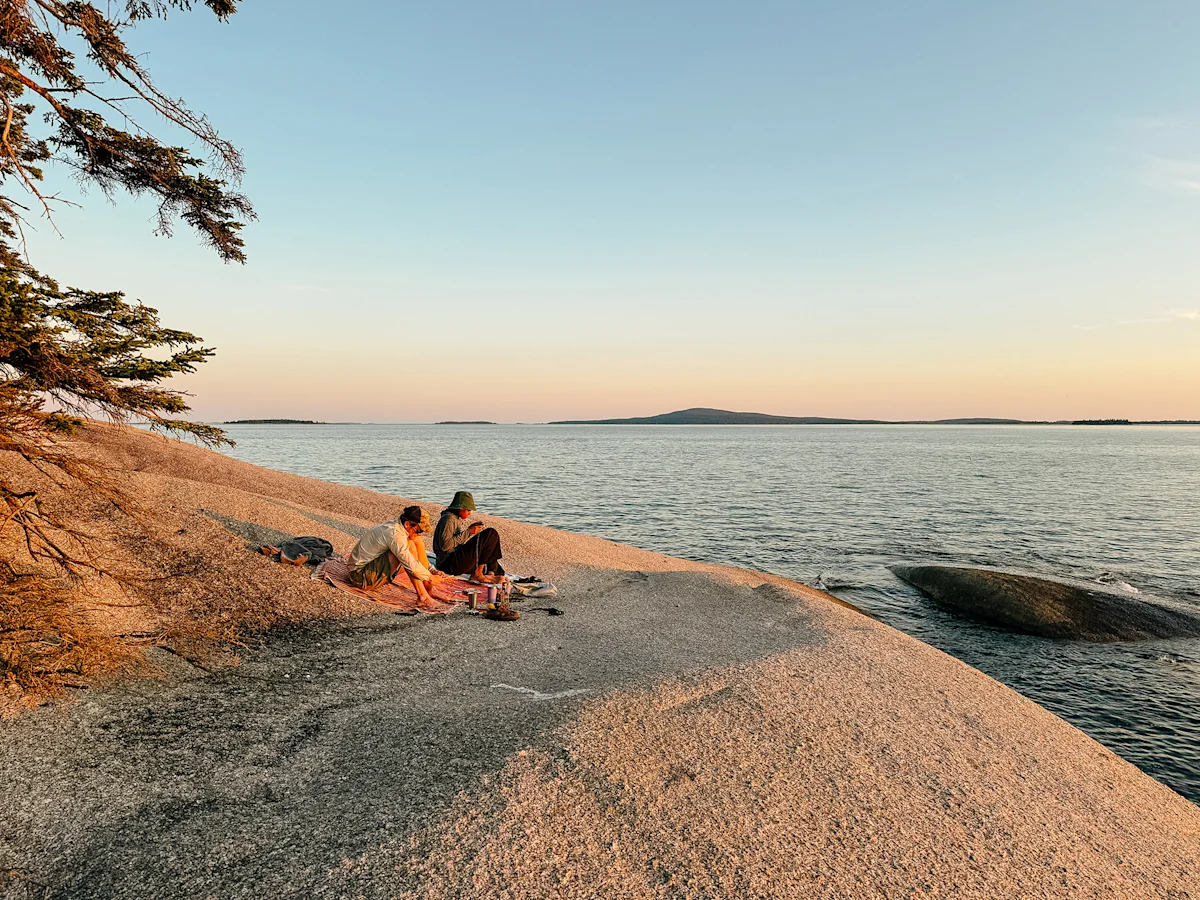
Our destination was Stonington, one of those classically Maine fishing towns at the southern end of Deer Isle, about two-thirds of the way up the Maine coast. Offshore, between Stonington and Isle au Haut, floats Merchant Row. It's an archipelago of more than 50 islands with granite shorelines and a mixture of sandy beaches and wooded interiors. Our goal was to find an island small enough to explore in its entirety and spend a weekend doing something new.
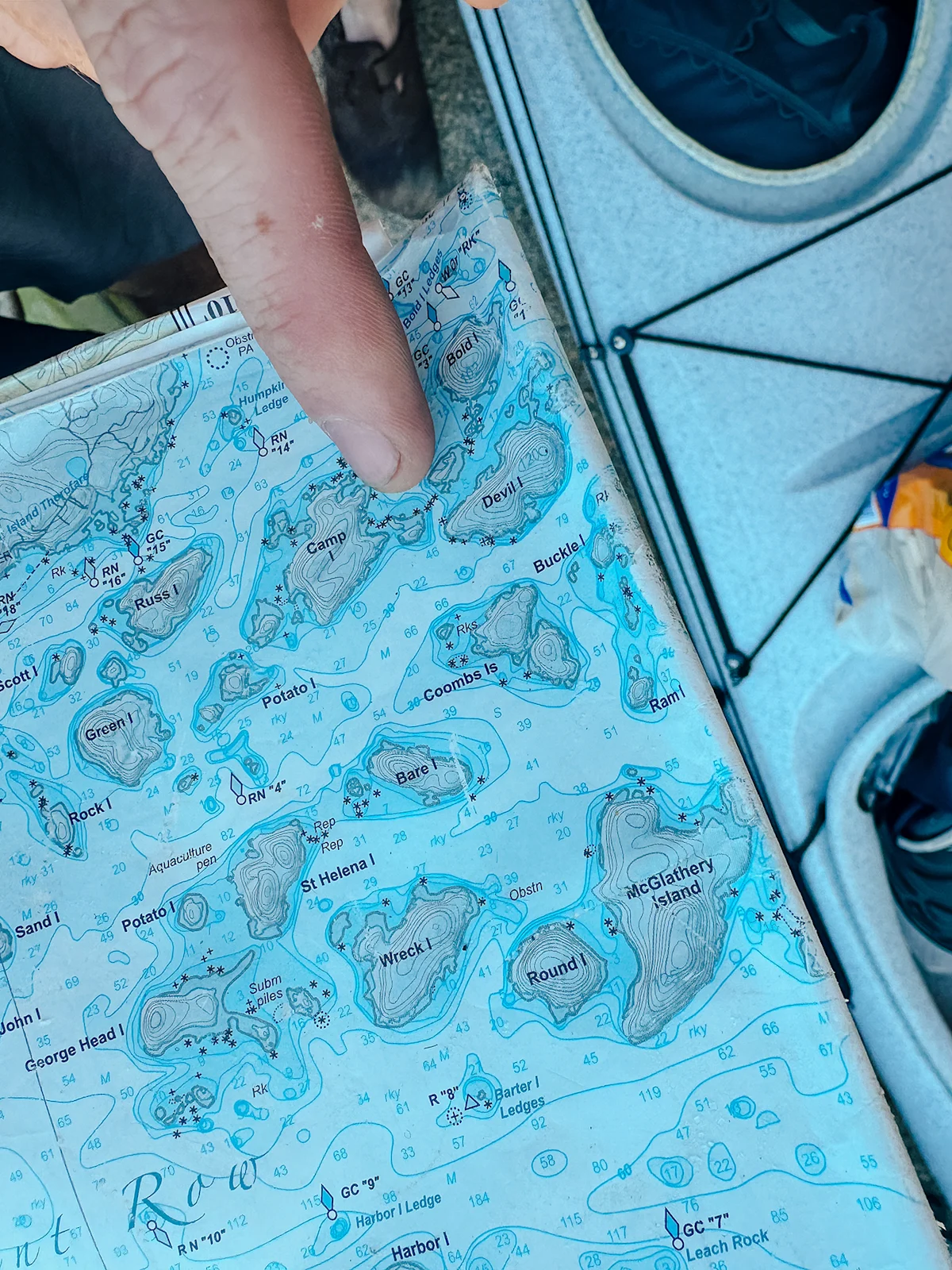
leah-balagopal-maine-island-trail-kayaking-map-2

leah-balagopal-maine-island-trail-kayaking-beach

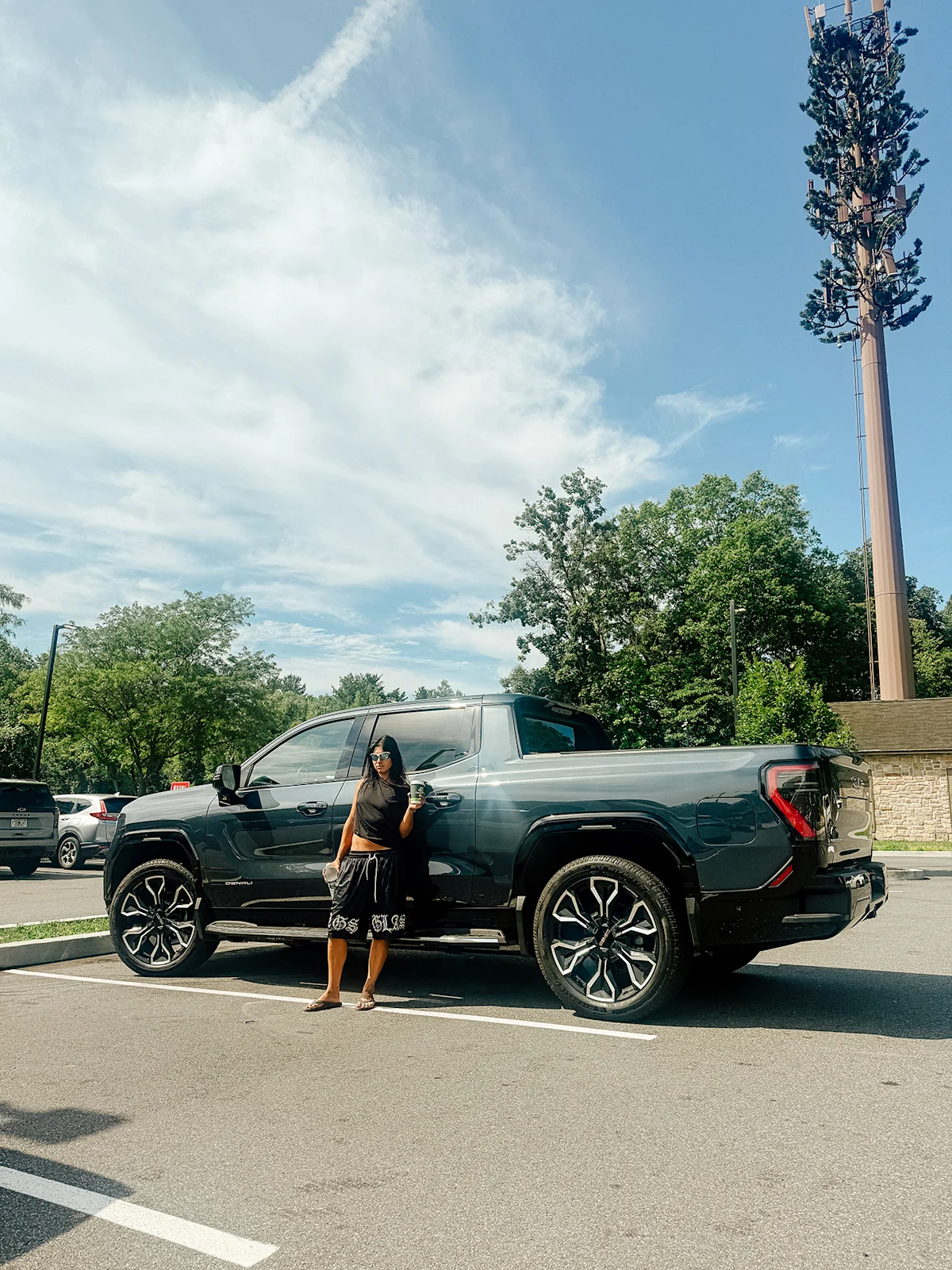
Maine looks close to my home in New York on a map, but that's an illusion. I'd always felt that it was a little too far away for an impulsive road trip, especially once I started thinking about the cost. When the opportunity came to test drive one of GMC’s electric trucks—working in media has its perks—it was the final push I needed.

We left Brooklyn and settled in for the eight-ish-hour drive north. Even driving felt like a novelty for someone so used to getting around by train or by e-bike. Before we even put a paddle in the water, we felt the freedom of moving at our own pace (even if it was rolling a mere 50 miles per hour on I-95). The feeling of adventure had already set in.

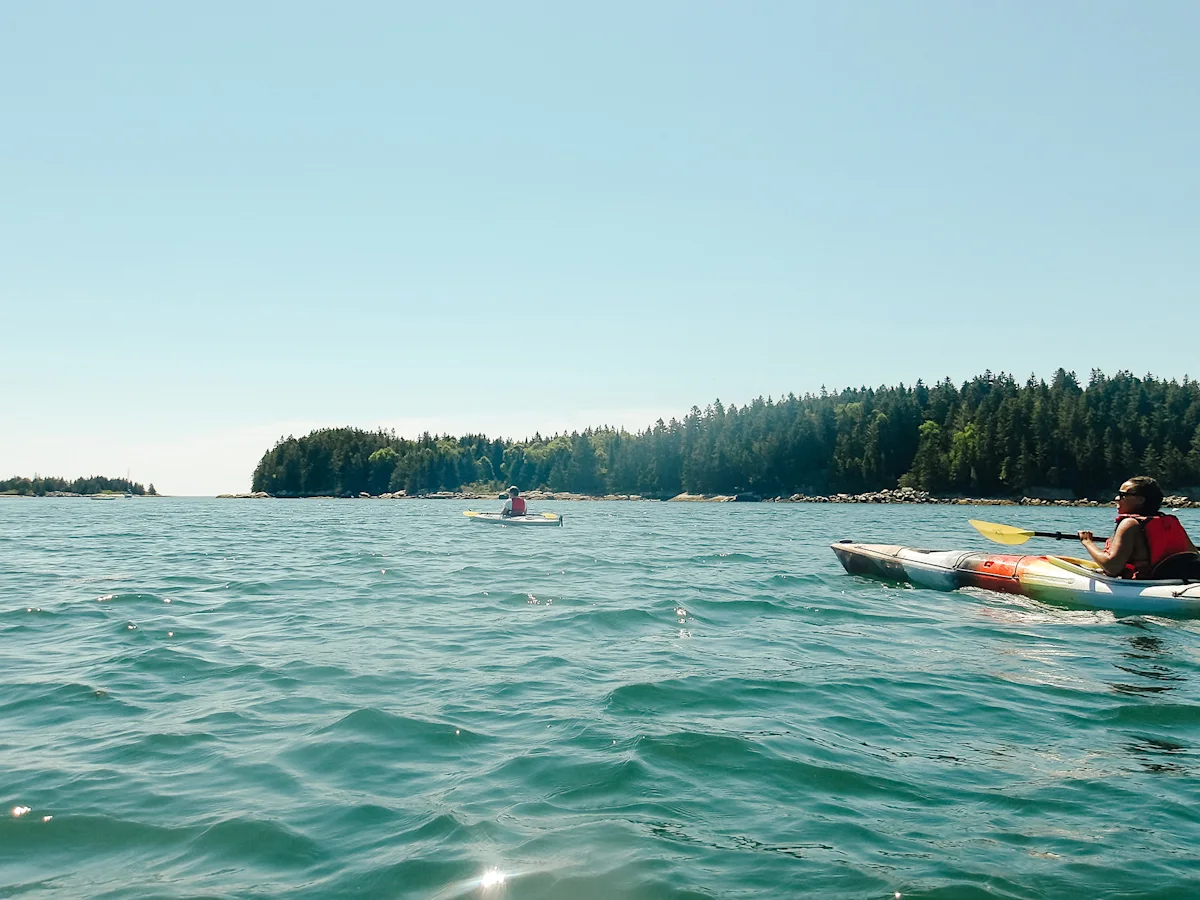
Up in the islands, we didn't do much to disguise the fact that we were beginners to the whole kayaking thing. We're climbers who live in cities, and while surfing had given me some feel for the ocean, it hadn't taught me how to cover distance on it, or to do it with a boat full of gear. We had lessons to learn, from navigation to reading the tides to packing a boat that doesn't forgive sloppy organization. The first of those lessons arrived before we even got on the water.

leah-balagopal-maine-island-trail-kayaking-truck

leah-balagopal-maine-island-trail-kayaking-stonington-paddle

1. Pack for the kayak, not the truck.

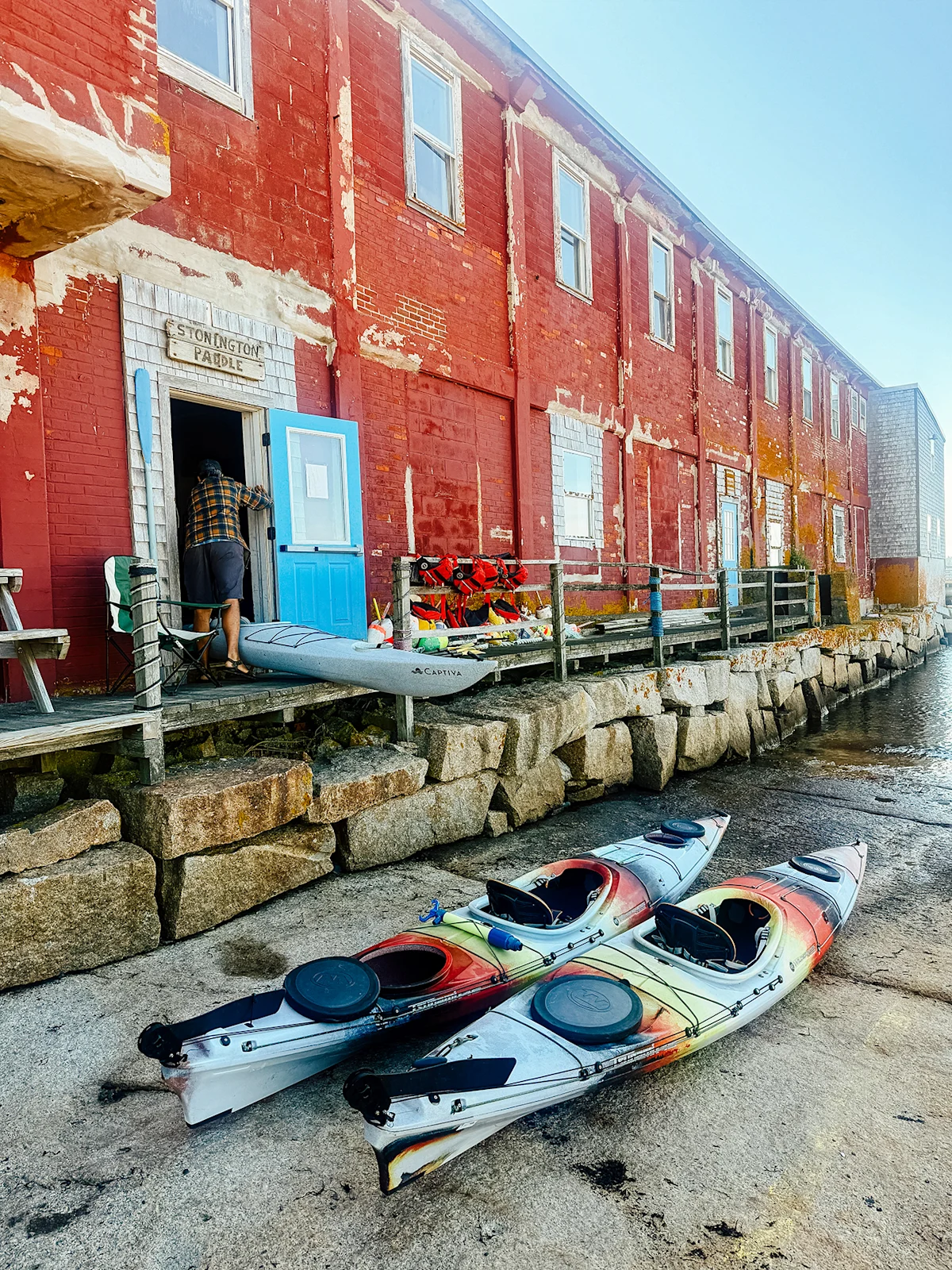
We didn't put much thought into packing. With a truck as big as the GMC EV Sierra, it was easy to default to a "Why not throw it in?" mindset. There was space, so in it went. At Stonington Paddle, a local shop where you can rent sea kayaks and set off into Merchant's Row, that approach caught up with us. Our pile on the dock was clearly packed by people used to car camping: an MSR Hubba Hubba tent, an MSR Switch Stove, a Yeti M30 soft cooler, personal clothing, three steaks, a few bottles of sake, whittling knives. There was also what looked like a lot of water. (It wasn't enough).

We spent the better part of an hour playing Tetris with it all, trying to fit everything into our vessels' tapered ends. The rental guy was a true Mainer and a man of few words, and he offered the occasional quiet nod and grunt as we worked out what went where.

leah-balagopal-maine-island-trail-kayaking-sunny-day

2. Think in terms of small bags.

Climbing trips let me pack, mostly, with total disregard for shape. I'm used to short approaches to crags and huge haul bags. If it fits, it goes. A kayak is less forgiving. Packing into one is partly about how much you bring, but also about the shape of your stuff. Several smaller dry bags are easier to fit into narrow compartments than one enormous bag. Splitting a tent into its main body and poles can help fill in leftover gaps, too. Pack heavier items low and close to the cockpit, within the storage compartments, and keep the load balanced.

3. Don’t assume a closed hatch means everything inside will stay dry.

Waterproof your sleeping bag, spare clothing, and electronics separately. We split ours across several small dry bags. One for my Therm-a-Rest Parsec 20F down sleeping bag and pillow, another for layers like my Klättermusen Alv 2.0 Jacket, and a smaller one for phones and batteries. Down is useless once it's wet, and a good jacket matters a lot on a foggy Maine evening.

Think, too, about what you'll need while you're paddling. If your water and snacks are buried in the bow under everything else, the trip is going to become more unpleasant than it needs to be.

leah-balagopal-maine-island-trail-kayaking-swim-pose

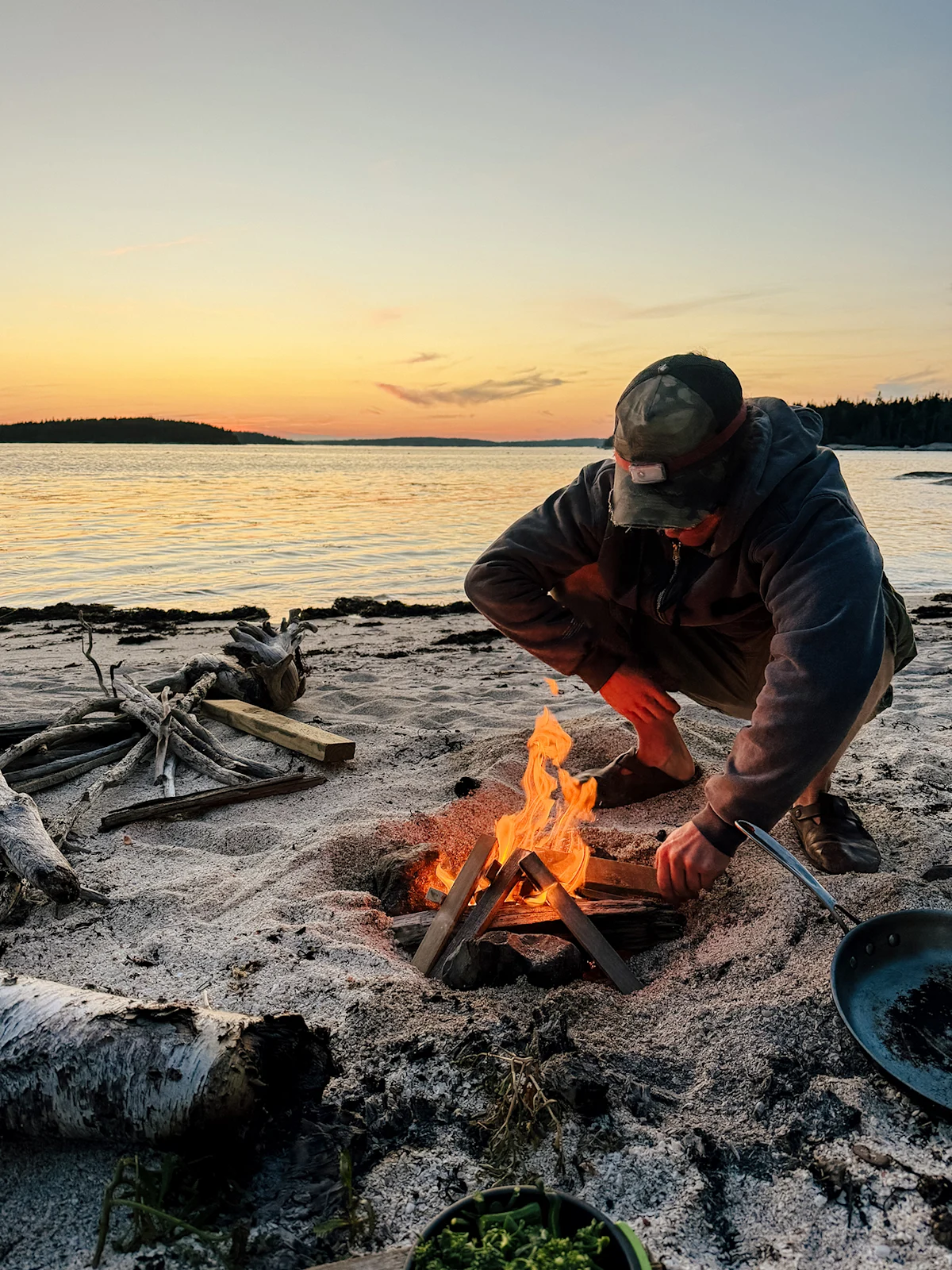
leah-balagopal-maine-island-trail-kayaking-beach-fire-2

4. Water first, sake second.

At the last minute, we squeezed a few extra liters of water into our boats, a decision we were very grateful to have made by day three. Water deserves a spot on the packing list ahead of almost everything else. Find out whether your destination has a reliable source rather than assuming it will. If you've only been camping in the mountains, you're probably used to water access. But the granite islands in Penobscot Bay don't all have fresh water sources. (LifeStraws aren't made for the ocean—trust me). Remember that the water for your coffee and dinner has to come from somewhere, too. Work out that supply first, then find room for everything else, not the other way around.

This advice was earned the hard way: in hindsight. By day three, our group was on water rations, and that led to the trip's only real conflict. Our lone non-coffee drinker argued that a morning brew was a luxury and shouldn't get a share of the dwindling supply. The coffee drinkers won, and rightly so. Nobody wants to paddle against a headwind with a caffeine headache.

Even so, we still found room for two bottles of junmai.

leah-balagopal-maine-island-trail-kayaking-beach-sunset

5. An empty island is not necessarily an available campsite.

A map of Penobscot Bay can make you think that you have your pick of little islands to camp on. Choosing one that looks like the ideal weekend base is only part of the planning; you also have to check whether you're allowed to land and camp there. Of the more than 3,000 islands in Maine's Coastal Island Registry, over 1,800 are privately owned, and they all look the same from the water.

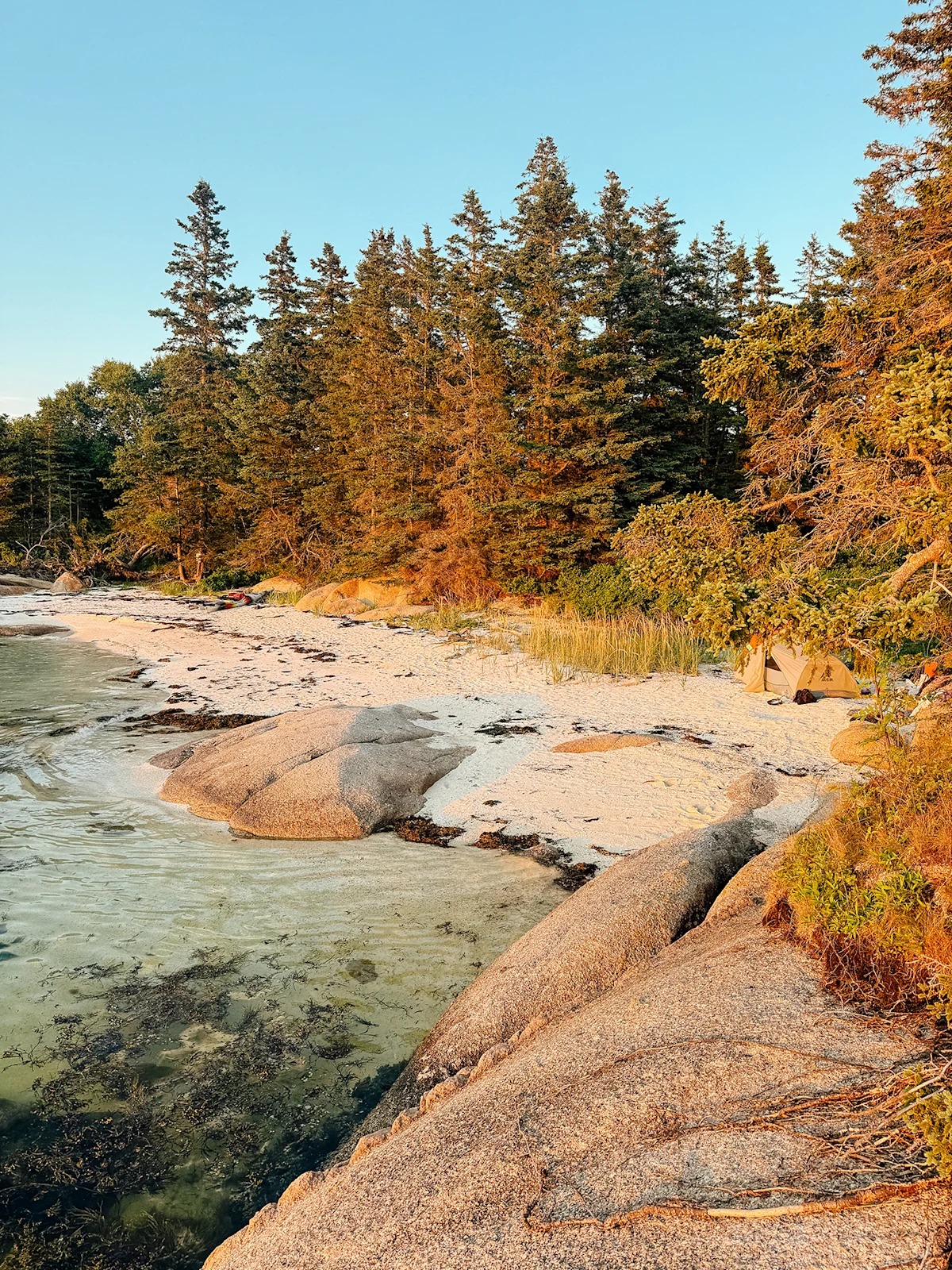
We learned this after hours of paddling, when we triumphantly hauled all our gear ashore and found a small plaque nailed to a tree with a foreboding red X across an image of a tent. Clearly, we weren't the first campers to assume we could visit. So everything went back into the kayaks and we shoved off once more.

The next five or six islands we checked were private, occupied, or otherwise unwelcoming. Then one of our crew firmly announced that she was done paddling and that the next island would be home for the night, plaques be damned.

So check on land ownership before you set out. If you're going paddling in Maine, the Maine Island Trail Association maps which islands are open for camping.

leah-balagopal-maine-island-trail-kayaking-lobster-rolls

6. Lobster rolls are worth the splurge.

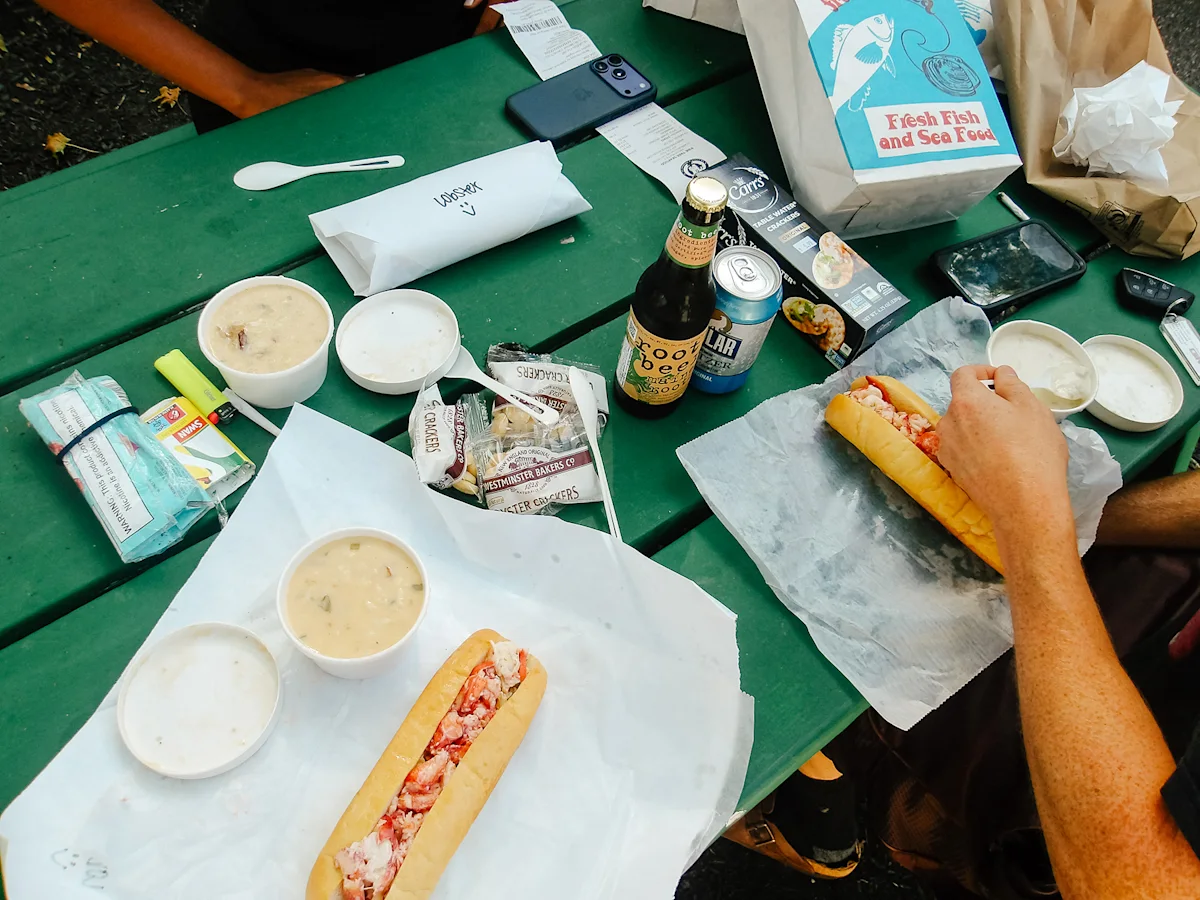
Lobster rolls get a lot of hype. I've gawked at the price of a roll the size of an NYC street dog—they can run you $35, blame inflation—and after paddling past so many lobster boats and traps, the crustaceans hardly seemed scarce. But even after paddling back to shore, returning our kayaks, and repacking the truck, it still seemed like our trip needed a coda. If you went to Maine for the first time and didn't eat a lobster, did you go at all?

So a few hours into our drive back to the city, we stopped at Pine Tree Seafood Produce & Co. in Scarborough. I'm no lobster roll connoisseur, but I can't imagine a better one. Add a cup of smoked trout chowder, and what we had in front of us at this Route 1 pitstop was the best possible reward for three days of hauling gear and rationing fluids.

Would I go again? Yes. With more water.

Looking for more stories of watery adventures in Maine? How about canoeing along the Allagash River.