Is the New 2026 Jeep Recon EV the Ultimate Adventure Rig for City Folks?

Is the New 2026 Jeep Recon EV the Ultimate Adventure Rig for City Folks?

Author Photographer
  • Graham Hiemstra

Camera
  • Fujifilm GA645
Film
  • Kodak Ektacolor Pro 400
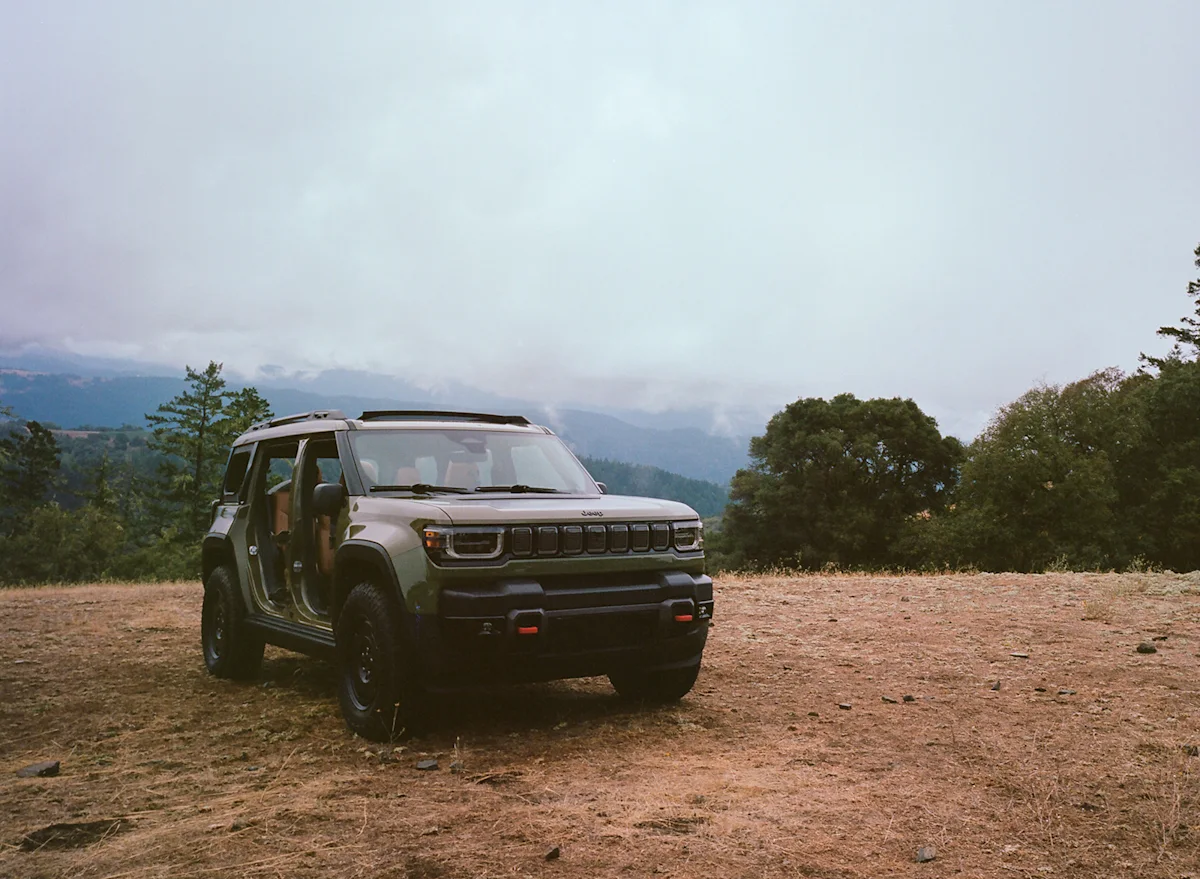
Reflections from a day of on and off-road drive testing with the new all-electric 4x4 inspired by the beloved mid-90s Jeep Cherokee XJ

Published: 09-16-2026

I’m a Jeep fan but not a Jeep Guy. I’ve never been to Easter Jeep nor owned a Wrangler. Though I have had a few Cherokees and Grand Cherokees, most recently a 1996 two-door XJ. A beautifully rugged, boxy go-kart of a go-anywhere rig. My favorite Jeep, and according to Vince Galante, global Jeep exterior design lead, a key source of inspiration for the 2026 Jeep Recon, an all-new all-electric off-road rig I recently traveled to Northern California to test.

Below I’ll share drive impressions alongside all the nitty gritty tech specs gearheads will appreciate.
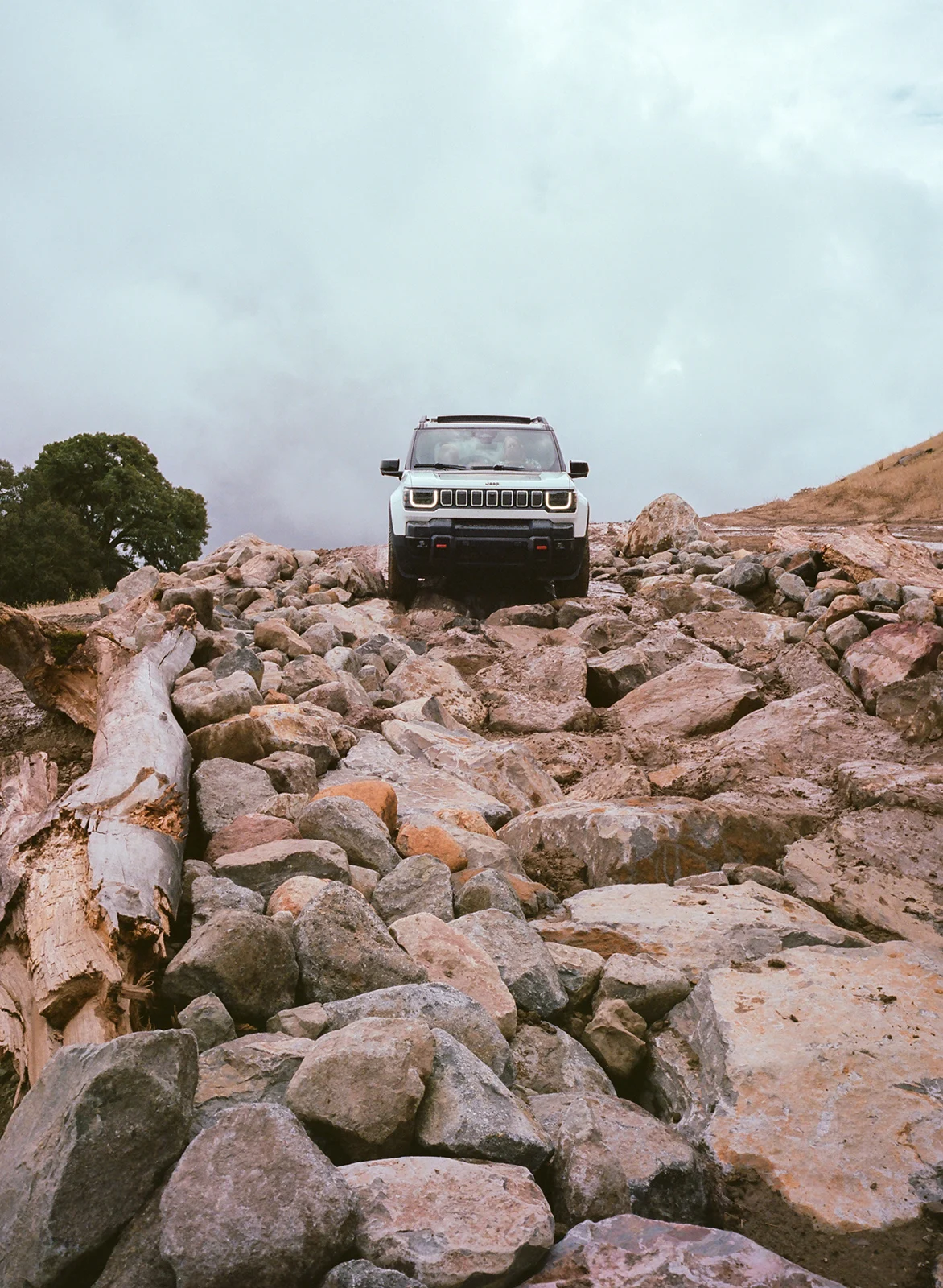
JEEP-Recon-4-Rocks-Alt

Who Is the Jeep Recon For?

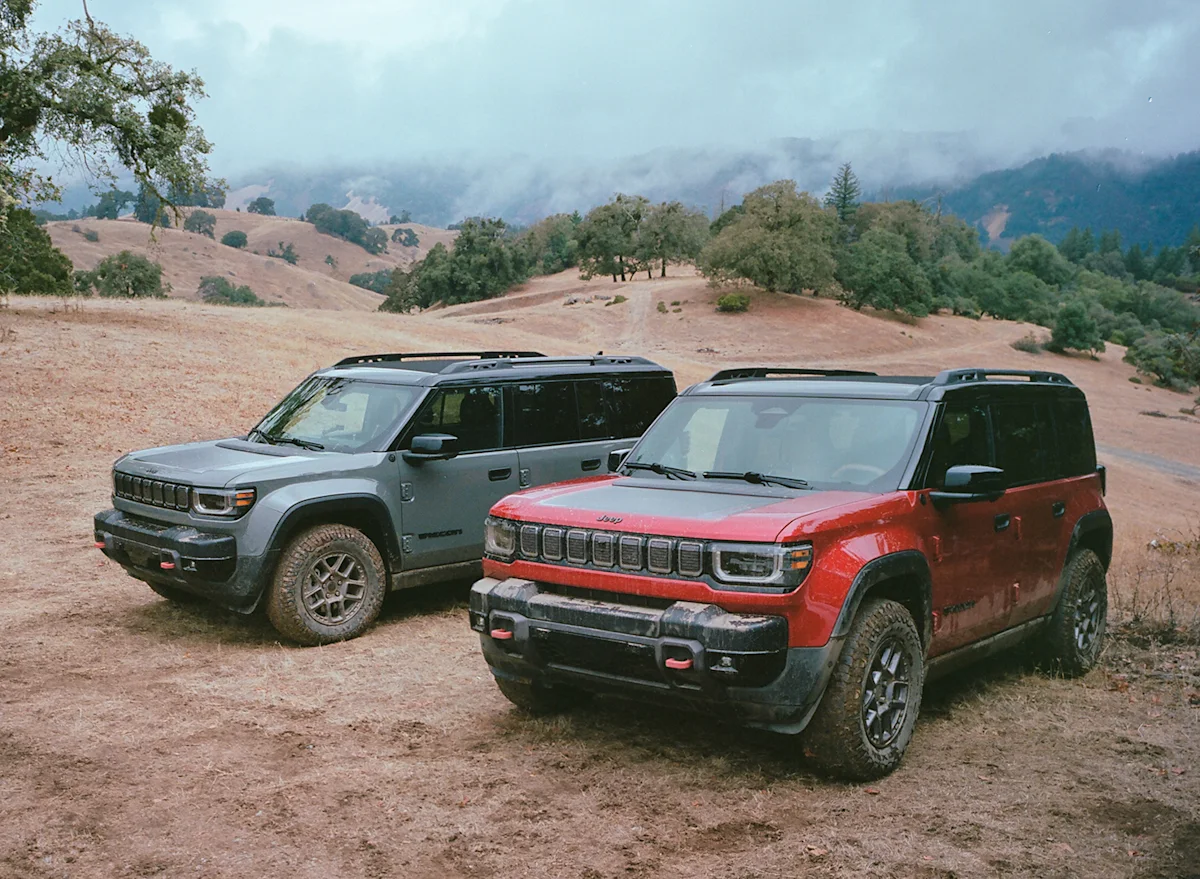
Upright, square, and officially Trail Rated, the Recon occupies an interesting middle ground for the adventure-driven brand: it’s more comfortable and practical than a Wrangler, and far more legitimately off-road capable than the average crossover EV. Size and specs put it up against the Ford Bronco, Land Rover Defender, and Rivian R1. After a day of testing on the open highway, windy mountain roads, gravel trails and off-road course obstacles, I’d say the Recon sits in a class of its own. The reported 1.2 million miles of development testing has paid off.

Oh, and you can remove the doors and all windows, including the rear swing-gate glass, all without tools. Part convertible, part rock crawler, part sports car, the Jeep Recon is an exciting new option for those like myself that live largely in urban centers but regularly escape to nearby trailheads, ski areas, campsites, climbing zones, forest roads, etc. It’s not for hardcore off-roaders, overlanding, or in any way meant to challenge the Wrangler’s position as off-road top dog.

But the Jeep Recon Moab edition will run you $66,995. And has just 220 miles of range on a charge. It also goes 0-60mph is 3.6 seconds. I think they call this burying the lede.
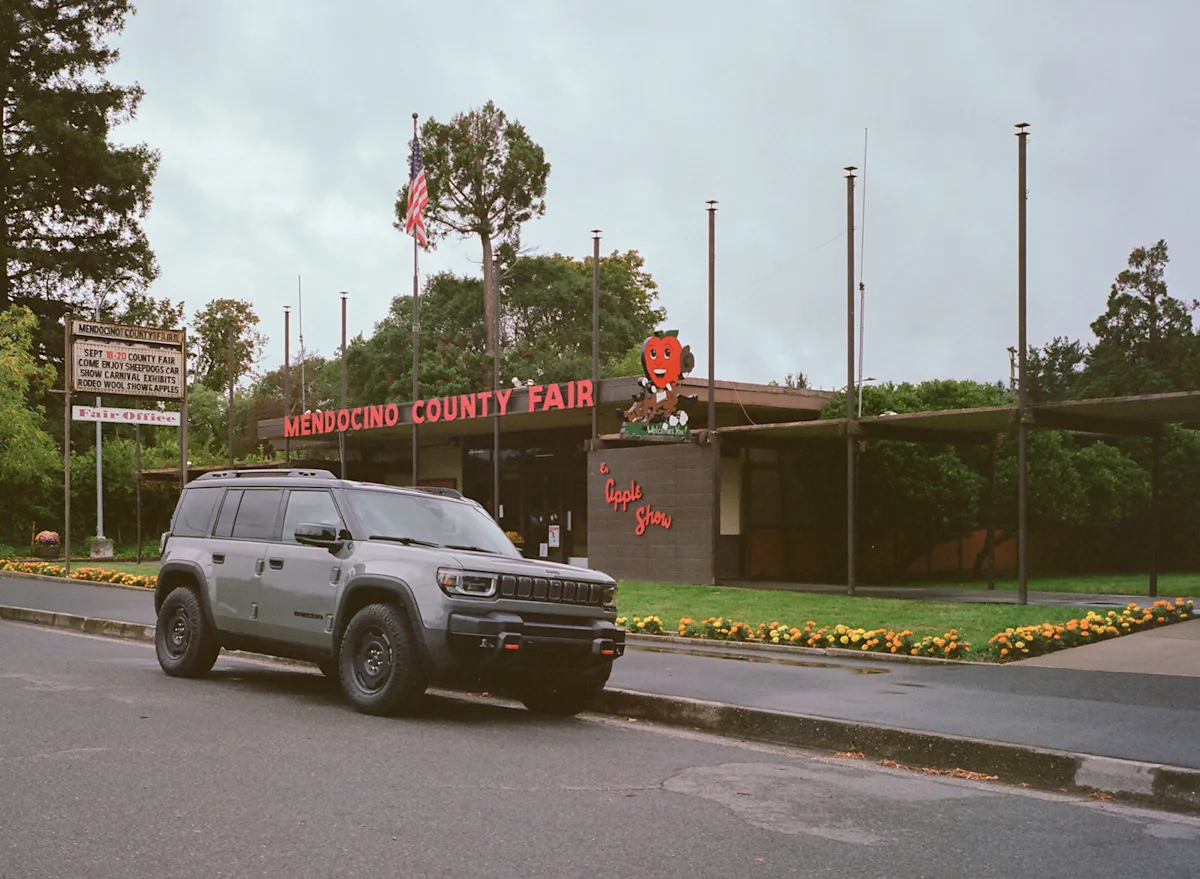
JEEP-Recon-5-Mendo

On-Road Experience

While inherently designed to go off-road, we’ll start with on-road drive impressions since at the end of the day, this is where these rigs will mostly live. The Recon boasts 670 horsepower, 620 lb-ft of torque, and 0–60 mph in 3.6 seconds. Acceleration is genuinely insane. It also weighs 6,100 pounds, with a low center of gravity that helps with stability on and off-road. Llike all Jeeps, you gotta hold on tight. Some back-and-forth/head-toss movement remains noticeable over uneven surfaces but all in, it’s a far cry from the go-kart driving experience of my past XJs, and much more livable than the full body workout that a Wrangler can provide.

Without an engine, it’s a pretty quiet cabin experience, though big 33” all-terrain tires drive a good amount of noise. The Recon makes a stronger case as an everyday vehicle than a Wrangler while still retaining much of the latter's personality. For a city-based potential owner, this distinction may be one of the Recon's biggest selling points.

JEEP-Recon-1-Hero

Off-Road Experience

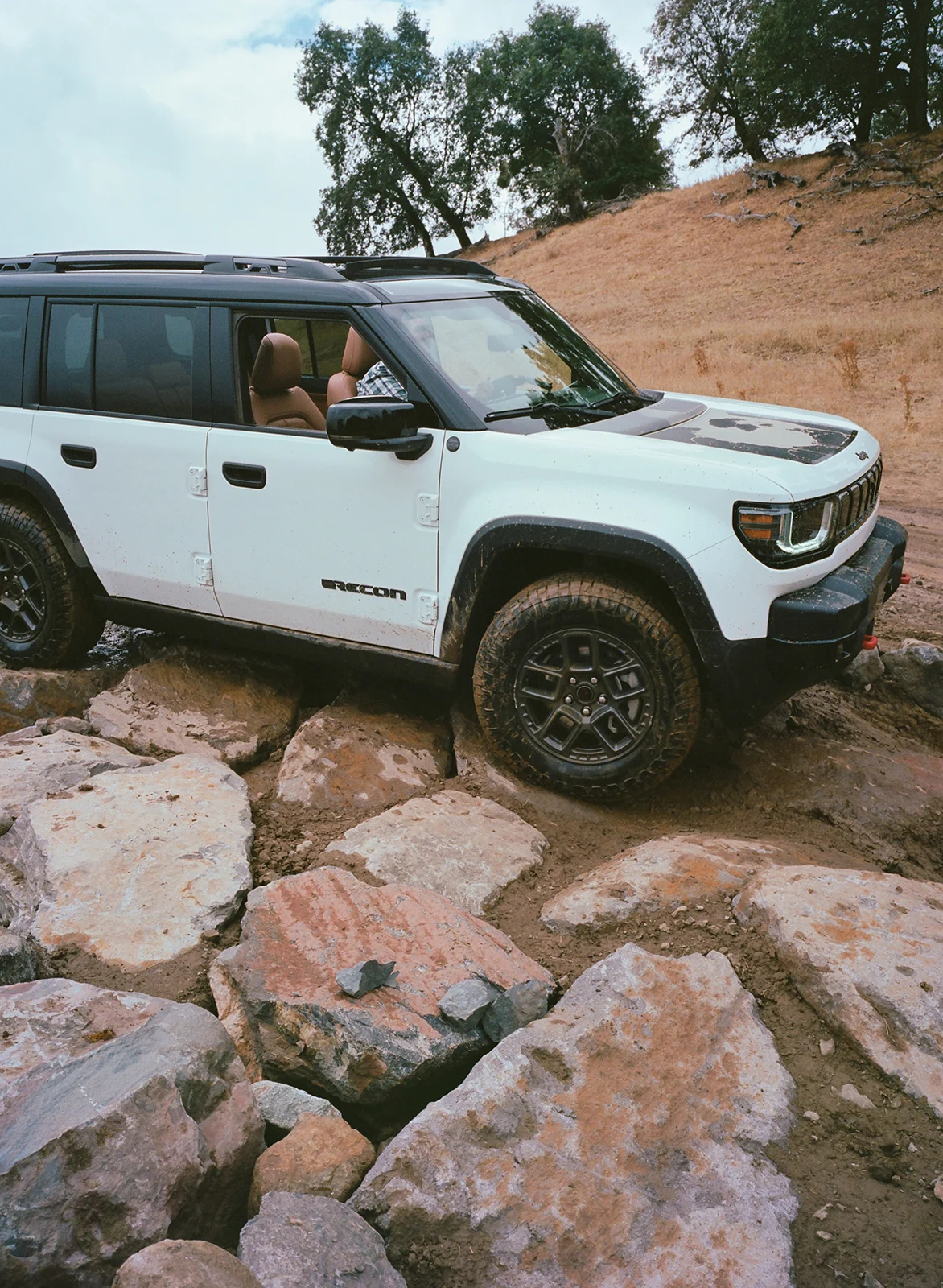
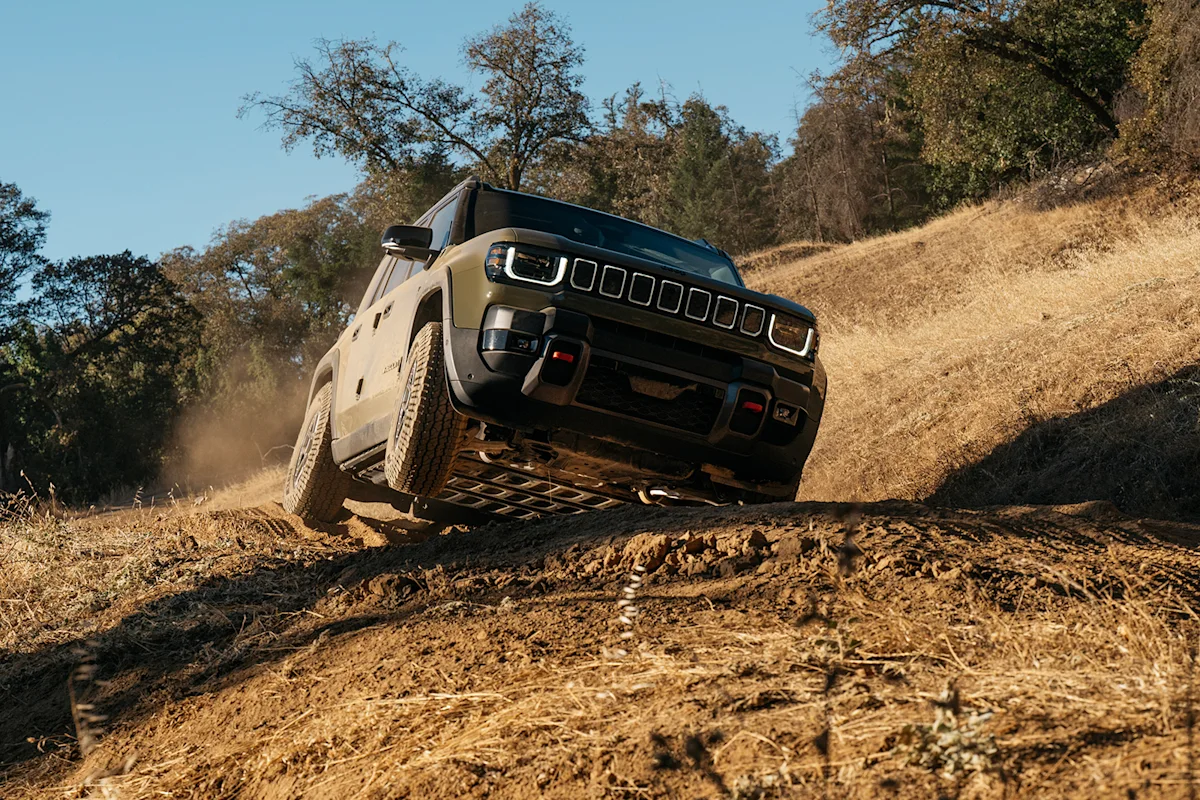
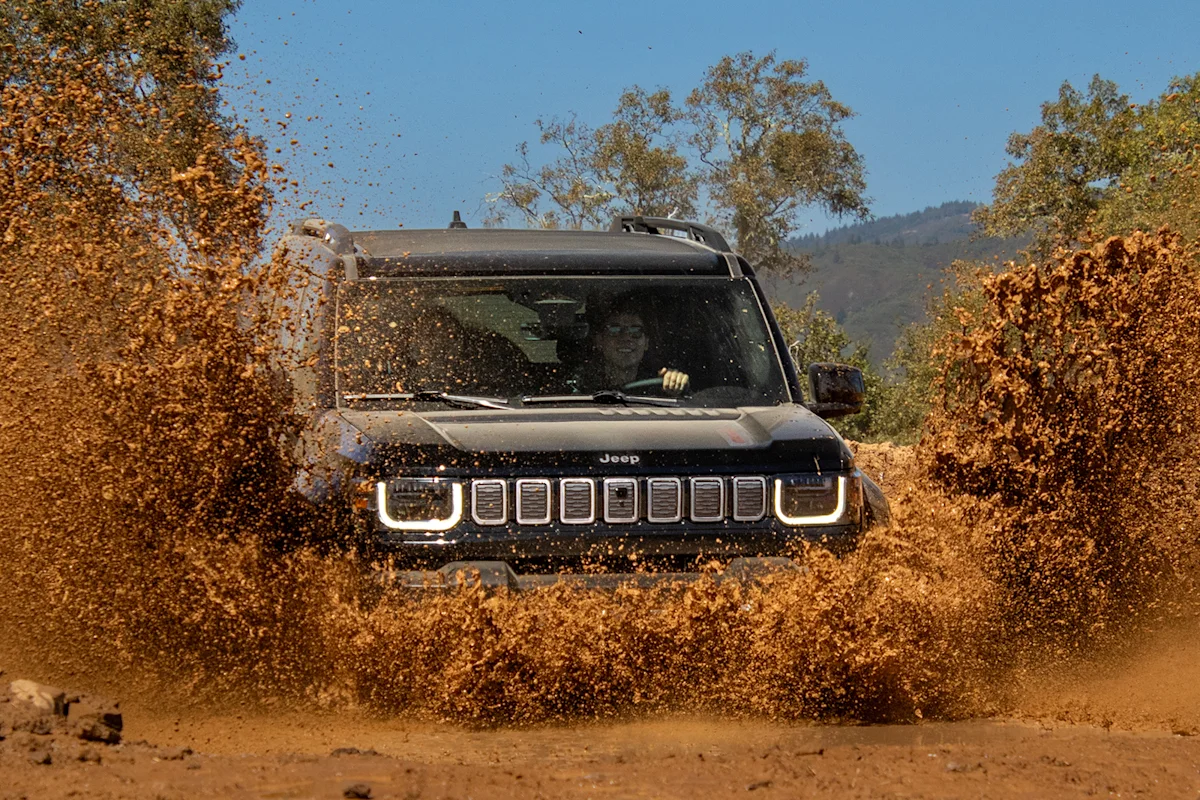
This is where the Recon becomes considerably more convincing. Key off-road specs include 9.1 inches of ground clearance, 24” of water-fording ability, and electronic locking differentials, seven steel skid plates to protect against rocks and debris. Remarkable slow-speed control may be the single most important takeaway from driving it through the off-road course, which included rock crawling, water fording, hill climbs, and articulation obstacles.

Off-road modes include Auto, Rock, Sport, Snow, and Sand. With a physical e-locker button (always welcomed to avoid having to navigate a touch screen). In rock mode, throttle response is specifically adjusted for slow technical terrain, and strong regenerative braking allows an almost one-pedal style of rock crawling, particularly on descents. Real head will like to know Rock mode also accommodates two-foot driving technique—using brake and accelerator together to control movement precisely.

Saranac-NY-2021-IG-8

The author's 1996 Jeep Cherokee. The Recon is reportedly inspired by the iconic XJ

JEEP-Recon-8-Rocks

Simply put, a locking differential locks an axle, so when one wheel loses traction or becomes lightly loaded, torque can still be sent effectively across the rear axle. This is essential for loose surfaces, snow, mud, and rocky terrain. Electric motors produce their torque immediately, while aggressive gearing multiplies that torque further at the wheels for technical climbing. The quietness of the electric drivetrain also changes trail driving—there's substantially less mechanical noise while crawling through the landscape.

I also found the front-facing trail camera to be hugely helpful, particularly on steep approaches where the hood blocked my view of rocks and unknown terrain directly ahead.

Jeep-Recon-4x4

Photo courtesy Jeep

Jeep-Recon-Water-Fording

Photo courtesy Jeep

Range + Charging Notes

The EPA-rated range for the Recon Moab is 222 miles. Honestly, that’s pretty limited for a modern EV, and especially relevant for a vehicle marketed around getting farther into remote places. Of course, big all-terrain tires, speed, terrain, temperature, passengers, and cargo load all affect EV efficiency. Other auto journalists on the drive trip noted the limited range is a concern for calling this a true go-anywhere adventuremobile. Considering the nearest off-road trails to NYC are roughly 90 miles away, and Catskills ski hills could be as far 100-1500 miles, I echo those concerns.

That said, the 100 kWh, 400V battery can be charged 5-80% by DC fast charging in under 30 minutes. For those with home chargers, 240V Level 2 charging delivers 5-80% in under 7 hours. This creates the Recon's fundamental adventure-vehicle tension: capability encourages you to travel farther from pavement, exactly the point where charging stations become harder to find.

Jeep-Recon-Interior

Photo courtesy Jeep

Interior + Everyday Usability

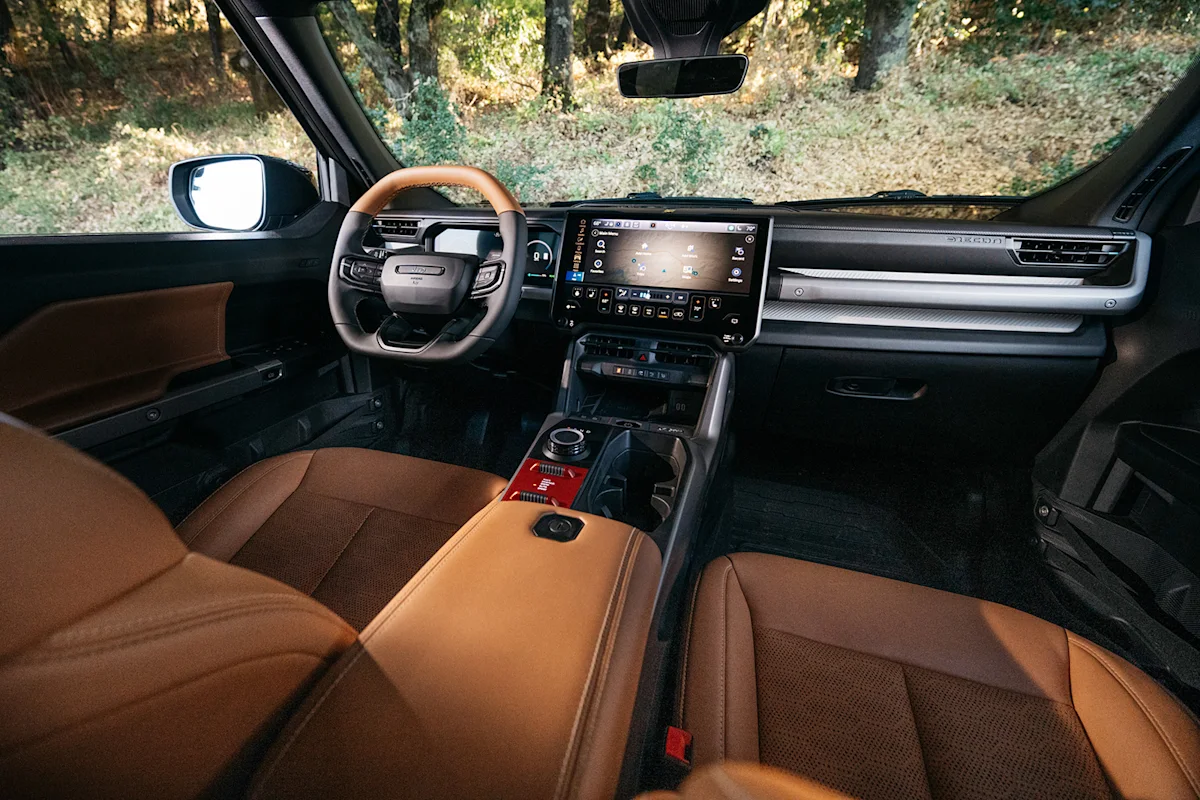
It’s nearly impossible for me to find a modern car interior a good user experience so I’ll keep this section short. The Jeep Recon interior does feel well thought out and designed around actual use. If you like screens, the Recon has a 14.5-inch central touchscreen plus 12.3-inch driver display. If you prefer buttons, it has a few too.

Legroom and headroom are impressive. And the power top that retracts for a legit open-air experience is pretty rad. It makes the Recon feel genuinely like a convertible, rather than merely having a large sunroof.

That said, I found there to be a little too much plastic, particularly considering the roughly $67,000 starting price. Though I guess that’s due to durability (it can operate entirely without doors, roof, and windows, afterall).

JEEP-Recon-6-window

Jeep Recon Final Impressions

The obvious headline is 670 horsepower and 3.6 seconds to 60, but that isn't actually what makes the Recon interesting. It’s a nice, pleasant SUV when driven on road, and fast as hell whenever needed. But the most impressive performance happens at three mph rather than 60 mph (or 90 for that matter).

Precise torque delivery, regen, rear locker, trail cameras, ground clearance, protective plates, and low center of gravity make electrification genuinely useful off road rather than merely novel. The Recon is not exactly a class-leading EV, nor is it an electrified Wrangler. It’s not perfect—three-ton weight and limited range is impossible to ignore—but it is fun to drive, incredibly capable, and more than enough for what 95% of users will need it for. In the end, for the Field Mag reader, that might be the Recon's sweet spot: city-friendly enough Monday through Friday; legitimately capable enough to reach places most owners actually want to go on Saturday.


LEARN MORE FROM JEEP DIRECT

JEEP-Recon-7-Alt